


- Projects
- How cañahua is creating new opportunities in Bolivia’s highlands
How cañahua is creating new opportunities in Bolivia’s highlands
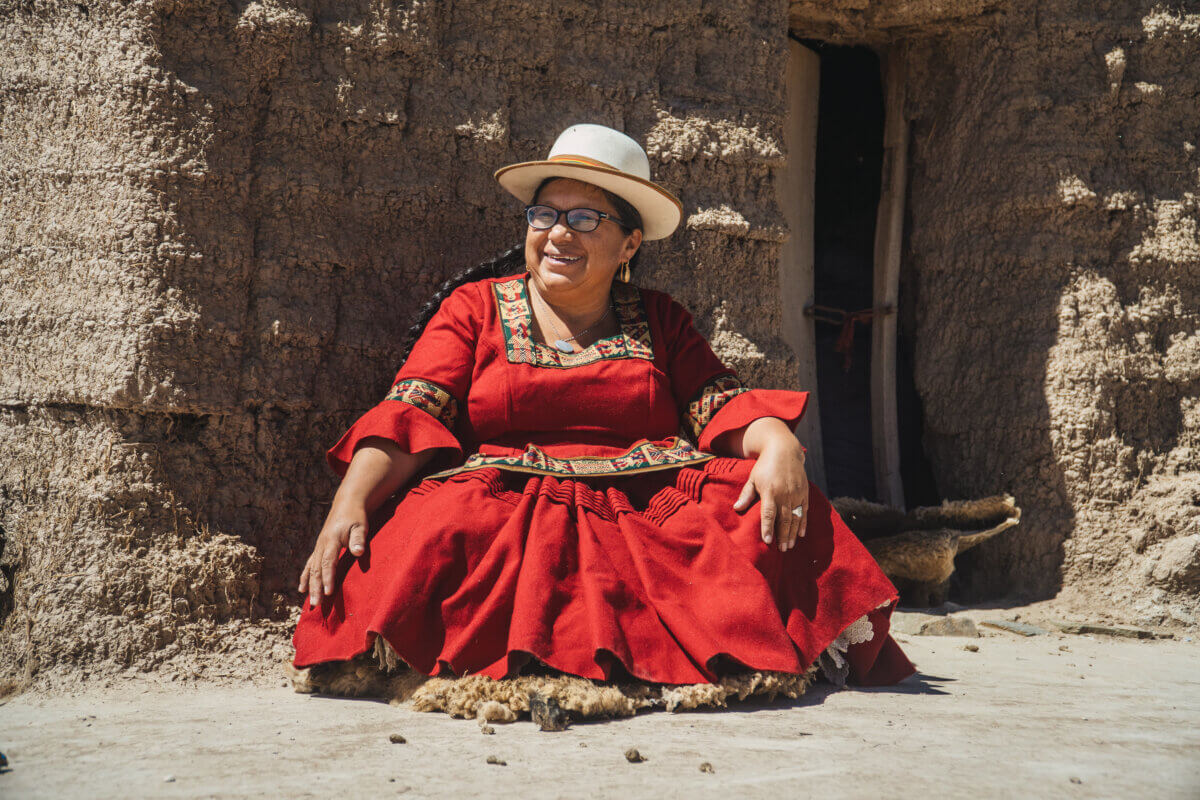
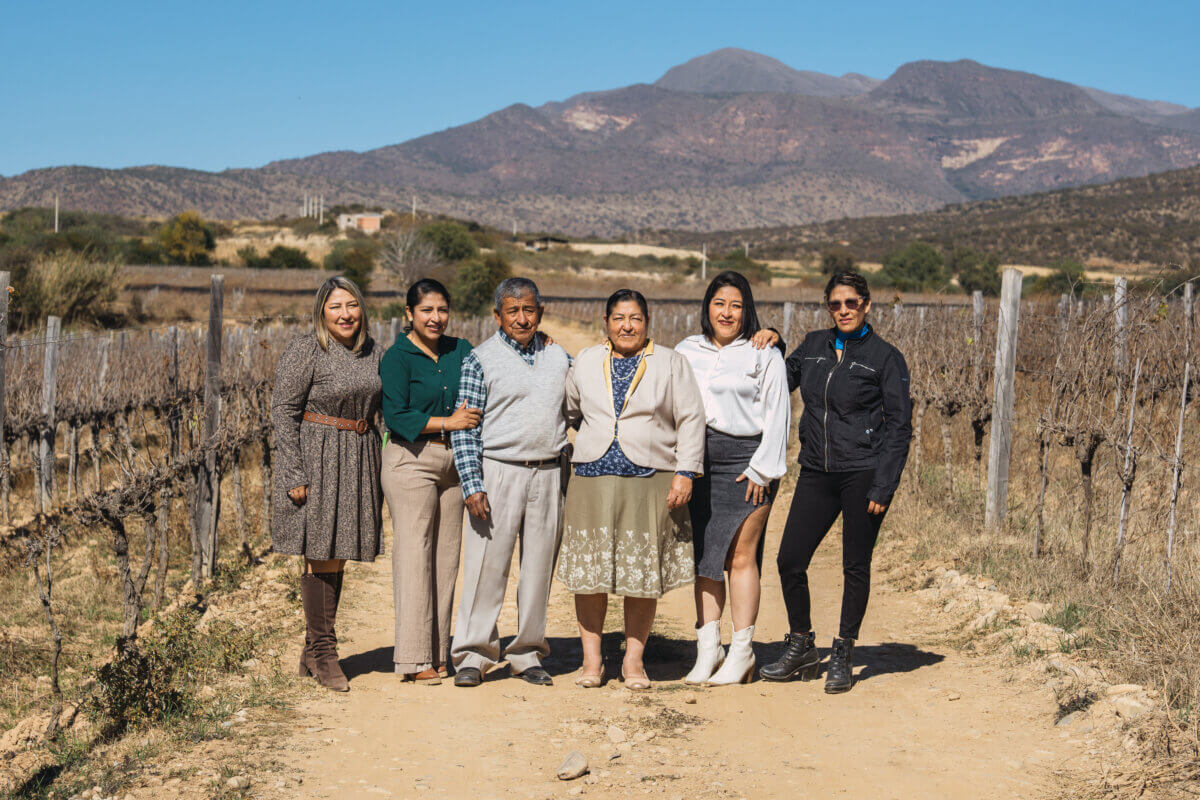
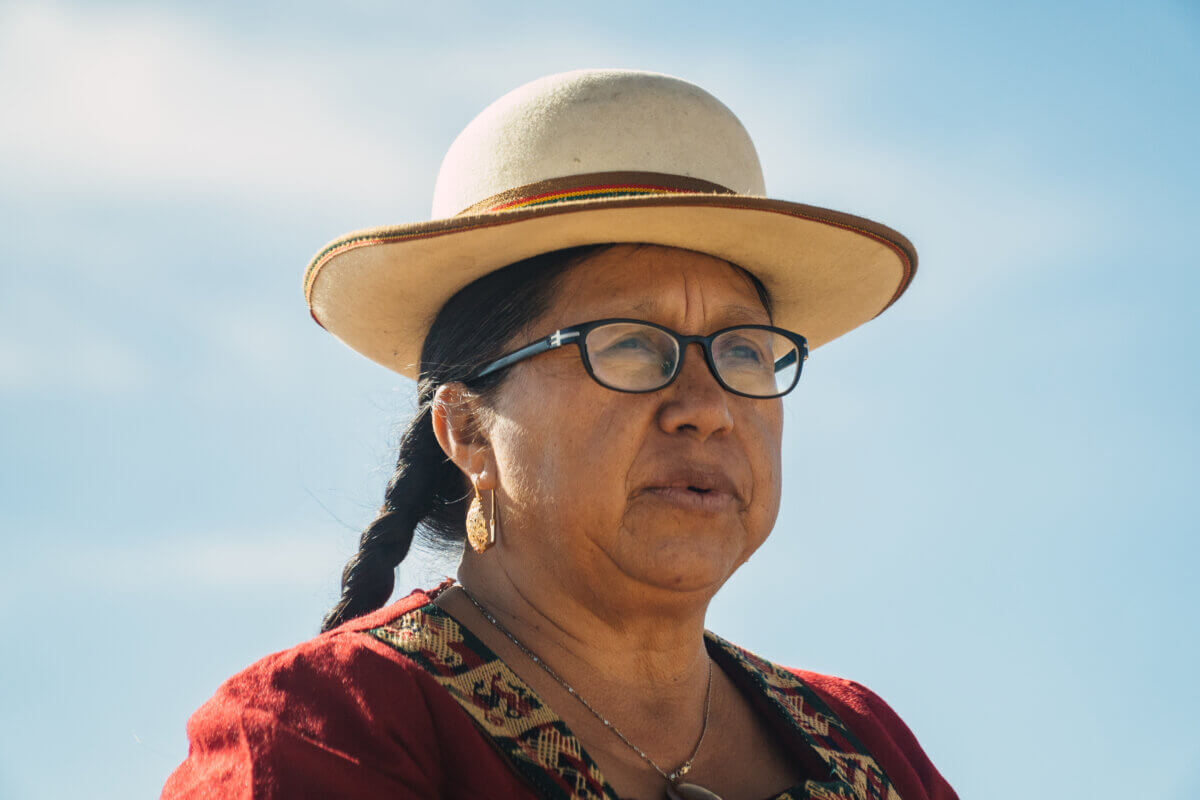
In Bolivia’s highlands, where climate pressure and outward migration increasingly threaten rural livelihoods, an ancient Andean grain is offering new hope. Cañahua , once dismissed as outdated and of little economic value, is being rediscovered as a nutritious, climate-resilient crop with significant market potential. At the heart of this revival stands Granja Samiri, Bolivia’s largest cañahua producer, led by agronomist and ambitious entrepreneur Trigidia Jiménez Franco.
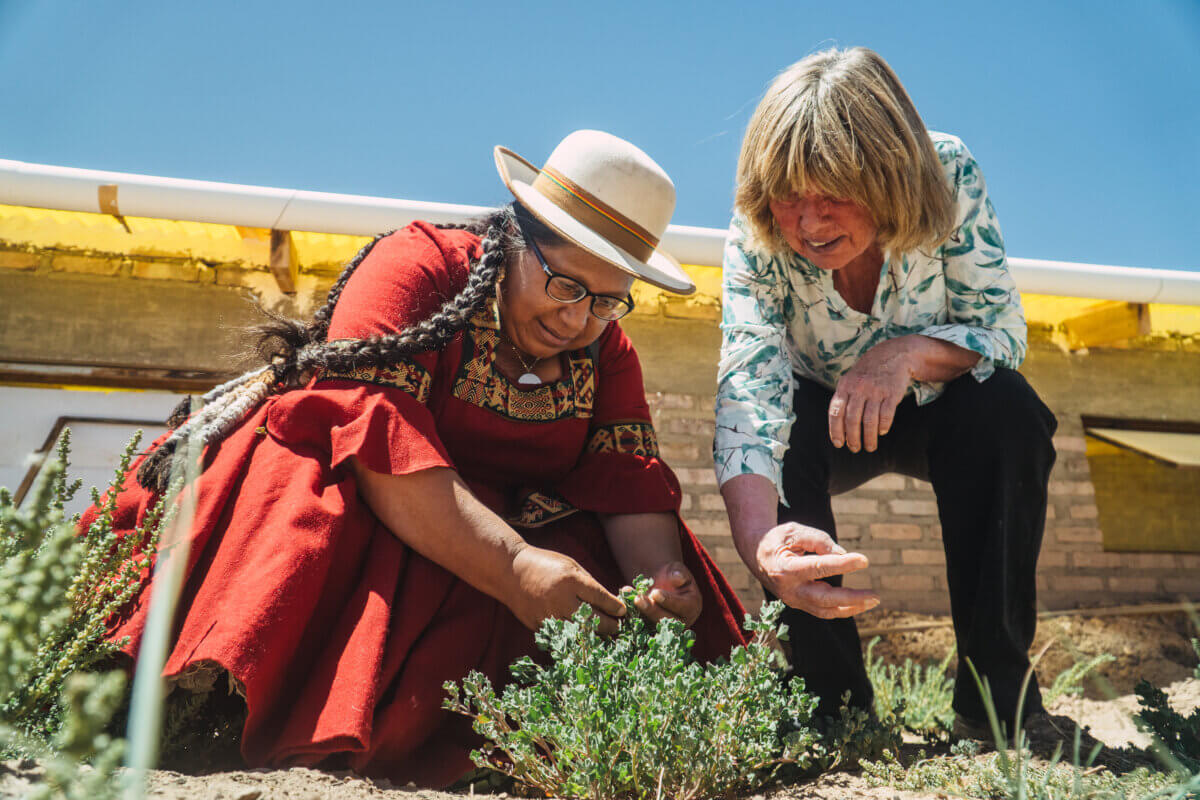
PUM expert Els Huntjens worked closely with the family business to help shape a strategic plan for its next phase of sustainable growth. Trigidia Jiménez’s journey began more than 20 years ago. Raised in a wheat-farming family, she returned to rural life after studying agriculture. When changing rainfall patterns disrupted her initial plans for livestock farming, she turned to cañahua instead. Despite scepticism from her surroundings, she persisted, combining ancestral knowledge with modern agronomy to improve seeds, raise yields and develop organic production methods. Over time, she helped bring cañahua back from near cultural and economic obscurity.
Scaling
up cañahua
Under her leadership, Granja Samiri evolved from primary production into an agro-industrial company specialising in the production, processing and marketing of cañahua-based foods. The company now produces flour, pre-cooked flour, flakes and popped cañahua, as well as value-added products such as brownie, waffle and pancake mixes. Its products are used by high-end restaurants and have even found their way into space nutrition programmes. At the same time, Granja Samiri supports dozens of small producers with technical assistance and seeds, strengthening local value chains.
Yet rapid growth has also brought new challenges. The company employs 10 permanent and around 20 temporary staff and is deeply rooted as a family enterprise involving Trigidia and her four children. While financially healthy, Granja Samiri currently depends almost entirely on a single government customer, making it vulnerable. As production expands, the need for stronger internal organisation, clearer roles and a more diversified market strategy has become urgent.
Collaboration with
PUM
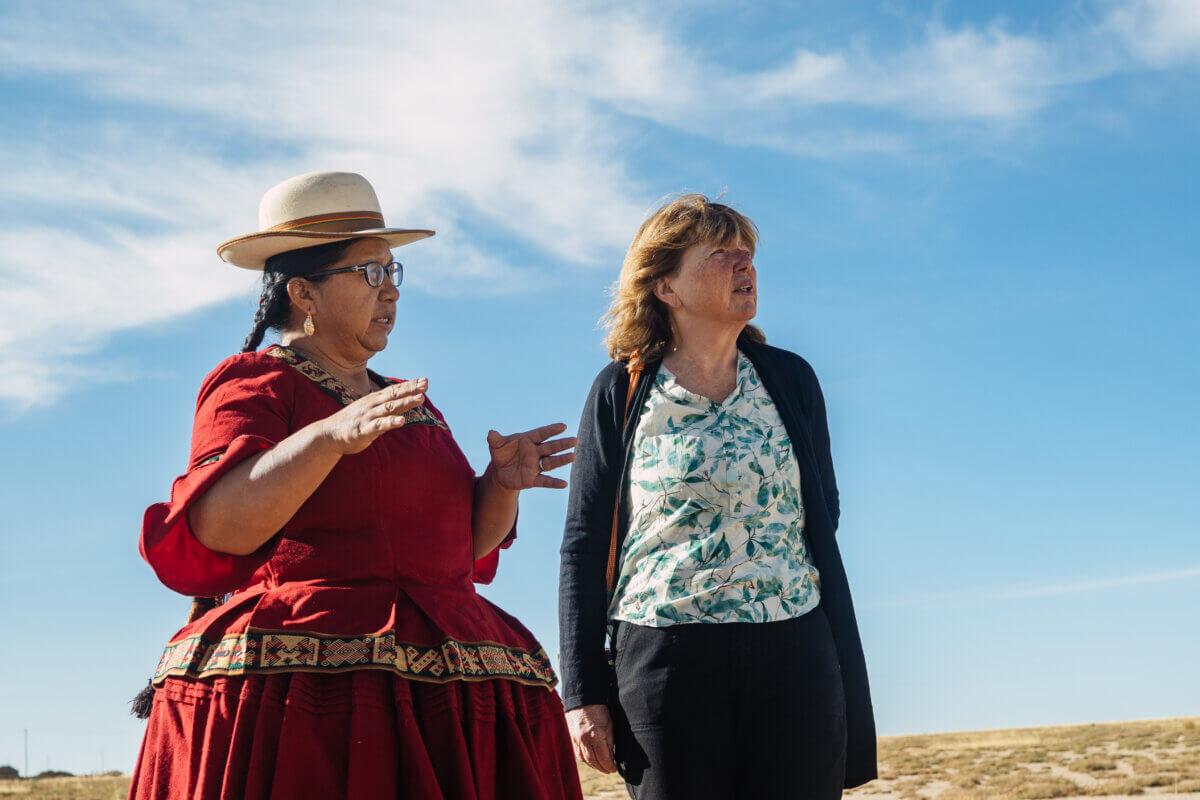
This is where PUM expert Els Huntjens came in. During her visit to Bolivia, she analysed the company’s production sites in Toledo and Cochabamba, interviewed family members and employees, and worked closely with management. Her assignment focused on developing a strategic plan for the coming years, alongside a future-proof organisational structure that respects the company’s culture and values while preparing it for further growth.
Together with the Granja Samiri team, Els addressed key strategic questions: how to align production capacity with market ambitions, which national and international markets to prioritise, and what financial investments would be required to grow responsibly. She observed strong commitment among staff and management, clear market demand, but also gaps in planning, communication and role definition.
Recommendations for sustainable growth
Her recommendations emphasised consolidation before expansion. Over the next two to three years, Granja Samiri is advised to strengthen its internal organisation, clarify responsibilities, professionalise planning and focus on developing the Bolivian market alongside carefully exploring export opportunities. A major step will be the transition from a family-owned business to a limited liability company, providing clearer governance and protecting both the business and the family as it grows.
Marketing and merchandising were also identified as priorities. Despite the nutritional and cultural value of cañahua, awareness within Bolivia remains limited. Developing a clear market positioning and assigning responsibility for marketing will be essential to reducing dependency on a single customer.
Future
outlook
Els sees opportunities for further collaboration, for example through expertise in irrigation to enable multiple harvests per year, or technical support in selecting equipment for an expanded processing plant. What unites these steps is a shared ambition: to demonstrate that Bolivia’s highlands are not a place of decline, but a viable and innovative setting for inclusive, sustainable agro-industry.
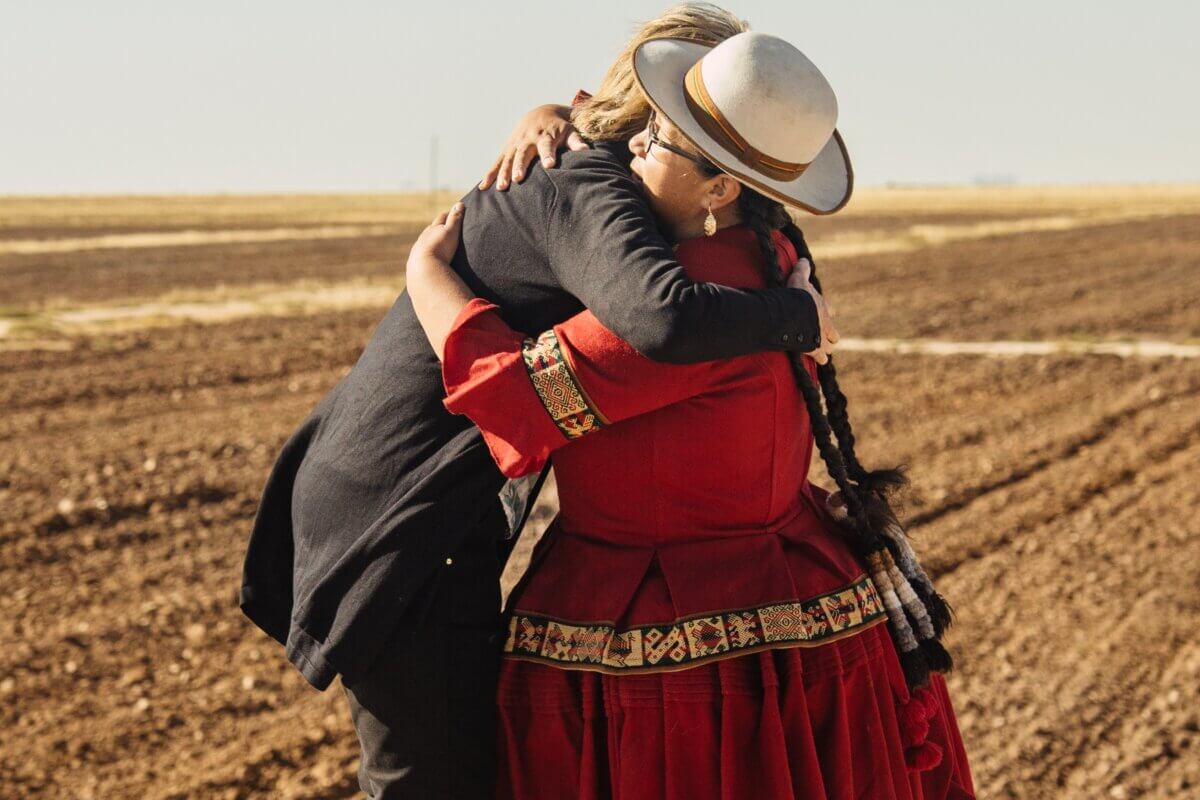
Through the collaboration between Granja Samiri and PUM, an ancient grain is not only reclaiming its place on the table, but also helping to build resilient futures for rural communities.
Video & Photography: Diego Avila Paz
Interested in this project? Get in touch with

Rodrigo Michel
Representative Bolivia, La Paz
Similar projects