

- Projects
- From quality coffee to community impact in Peru
From quality coffee to community impact in Peru
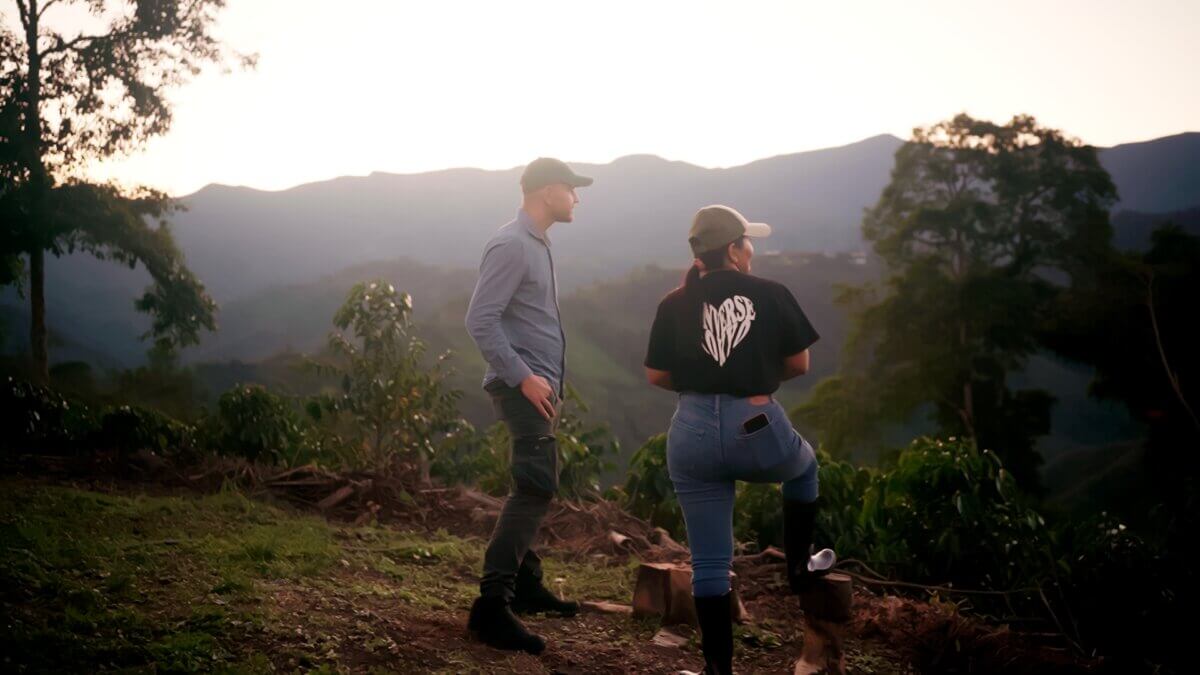
In Peru, coffee cooperative Cenfrocafe is strengthening its quality control and market position to secure a more sustainable future for smallholder farmers. In collaboration with PUM expert Jeroen Brugman, founder of Ikigai Coffee, the cooperative is investing in advanced roasting and cupping expertise, key steps towards higher-value markets and more stable incomes for its members.
Cenfrocafe brings together small-scale coffee farmers who jointly produce, process and market high-quality coffee. The cooperative exports green coffee that meets international standards, roasts and sells coffee on the national market, and promotes specialty coffee through its own cafés. It also invests in research, certified seed production and sustainable cultivation methods. Its strategy is clear: diversify activities, move further along the value chain and strengthen its position in international markets while maintaining traceability and social impact.
Stronger in-house expertise
Volatile coffee prices, limited access to finance and the impact of climate change put pressure on farmers and the cooperative’s financial stability. At the same time, Cenfrocafe aims to comply with international regulations such as the EU Deforestation Regulation and organic certification standards.
To remain competitive, the cooperative identified a key priority: strengthening its in-house expertise in roasting and sensory evaluation. Greater control over flavour
development and quality classification enables Cenfrocafe to offer more consistent and distinctive coffee lots to demanding specialty buyers.
Expertise from bean to cup
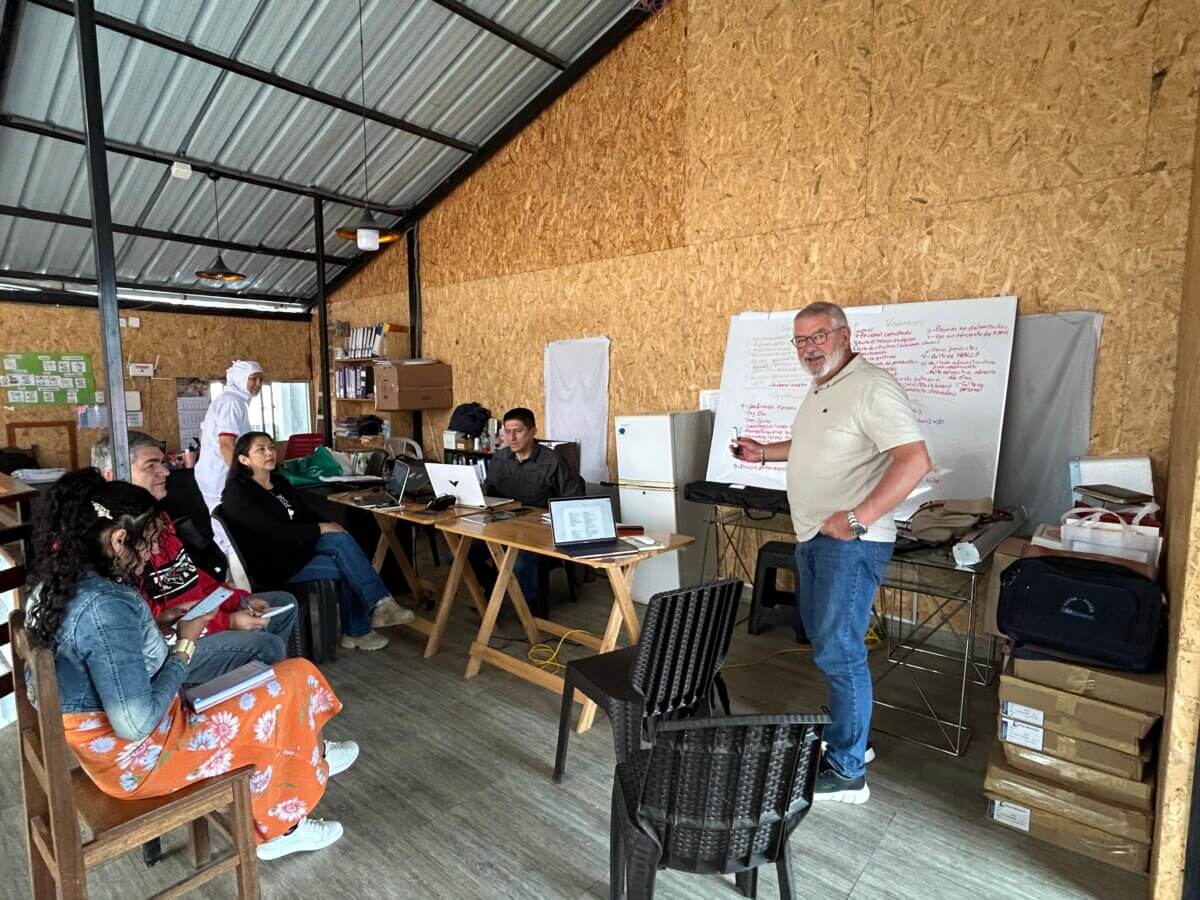
Through PUM, Jeroen Brugman delivered a five-day hands-on training programme for farmers, cooperative members and members of the local community. The training focused strongly on the connection between farm-level practices and final coffee quality, flavour and market value. Roasting techniques, the impact of moisture, density and bean defects, and the development of flavour profiles were explored in detail. At the same time, the team strengthened its cupping methodology, allowing for more precise sensory analysis and more consistent quality evaluation. For Jeroen, the shared learning across the value chain was one of the most valuable aspects of the training: strengthening the link between farm practices, cooperative processing and quality control.
Better market opportunities
Stronger quality control translates directly into better market opportunities. With more consistent specialty profiles, Cenfrocafe can access higher-value segments and negotiate improved conditions. This contributes to more stable incomes for its farmer-members and encourages continued investment in sustainable practices such as responsible water treatment and soil management. In parallel, Cenfrocafe and its partners are reviewing existing trade relationships with contacts in the Netherlands to explore opportunities to scale up coffee imports into the Dutch and wider European markets. This is an ongoing initiative. The cooperative also aims to diversify into
products such as cocoa and to further professionalise its organisation in the coming years.
Interested in this project? Get in touch with
Anne Villanueva
Representative Peru, Piura
Similar projects