

- Projects
- Reviving the coconut value chain in Ivory Coast
Reviving the coconut value chain in Ivory Coast
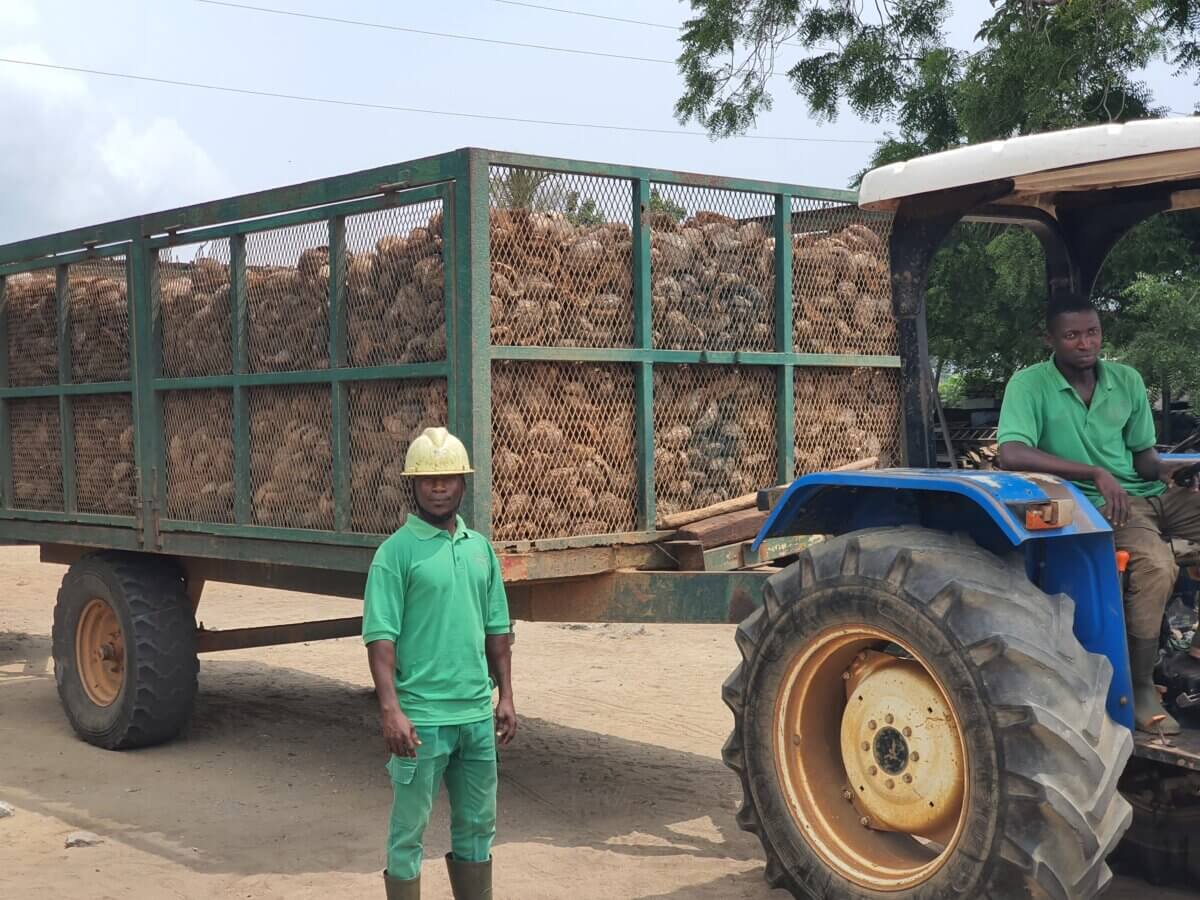
During a recent PUM project on location in Abidjan, Ivory Coast, PUM expert in Horticulture, Jos van Doren, supported Société Africaine de Fruits et Légumes (SAFL). Together with the management team, he worked on strengthening SAFL’s coconut export operations and shaping a clear roadmap for sustainable growth.
SAFL is an ambitious agribusiness focused primarily on exporting fresh coconuts to European markets. Although Ivory Coast is globally known for cocoa, rubber and palm oil, the coconut sector remains underdeveloped. Many plantations are ageing, supply chains are largely informal, and export volumes are inconsistent throughout the year.
At the same time, international demand for high-quality coconuts is strong and growing. SAFL has built a solid commercial position, but rapid growth has increased operational complexity. The company currently sources most of its coconuts through aggregators. While this model provides flexibility and quick access to export-grade produce, it limits supply control, traceability and margin optimisation. Professionalising the supply chain has therefore become a strategic priority, and SAFL started a collaboration with PUM.
From online analysis to field validation
The project combined remote sessions with a two-week visit on location. During the online phase, discussions focused on mapping the existing supply chain and identifying constraints in planning, purchasing, logistics, quality assurance and shipping. Together, Jos and the SAFL team analysed bottlenecks, assessed risks and defined practical measures to improve reliability and reduce quality claims from international clients.
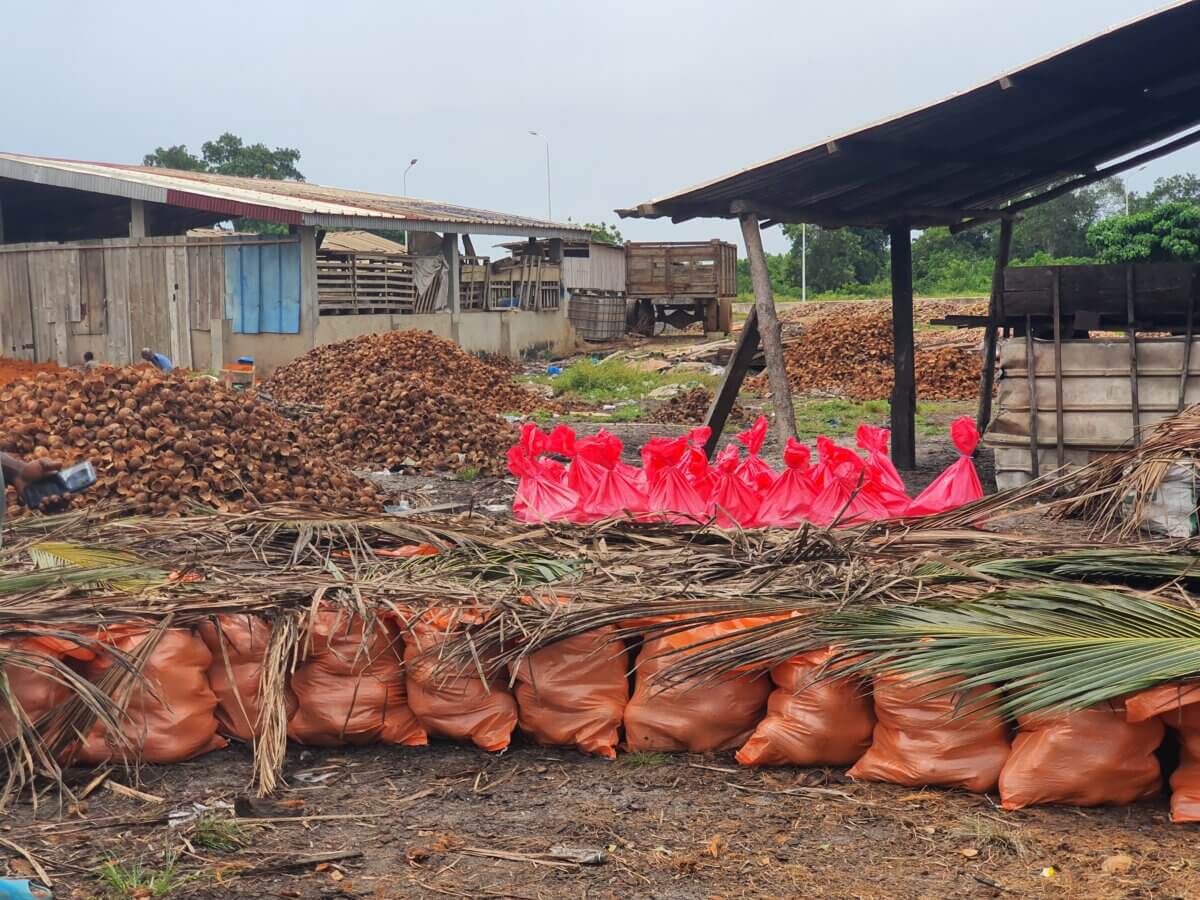
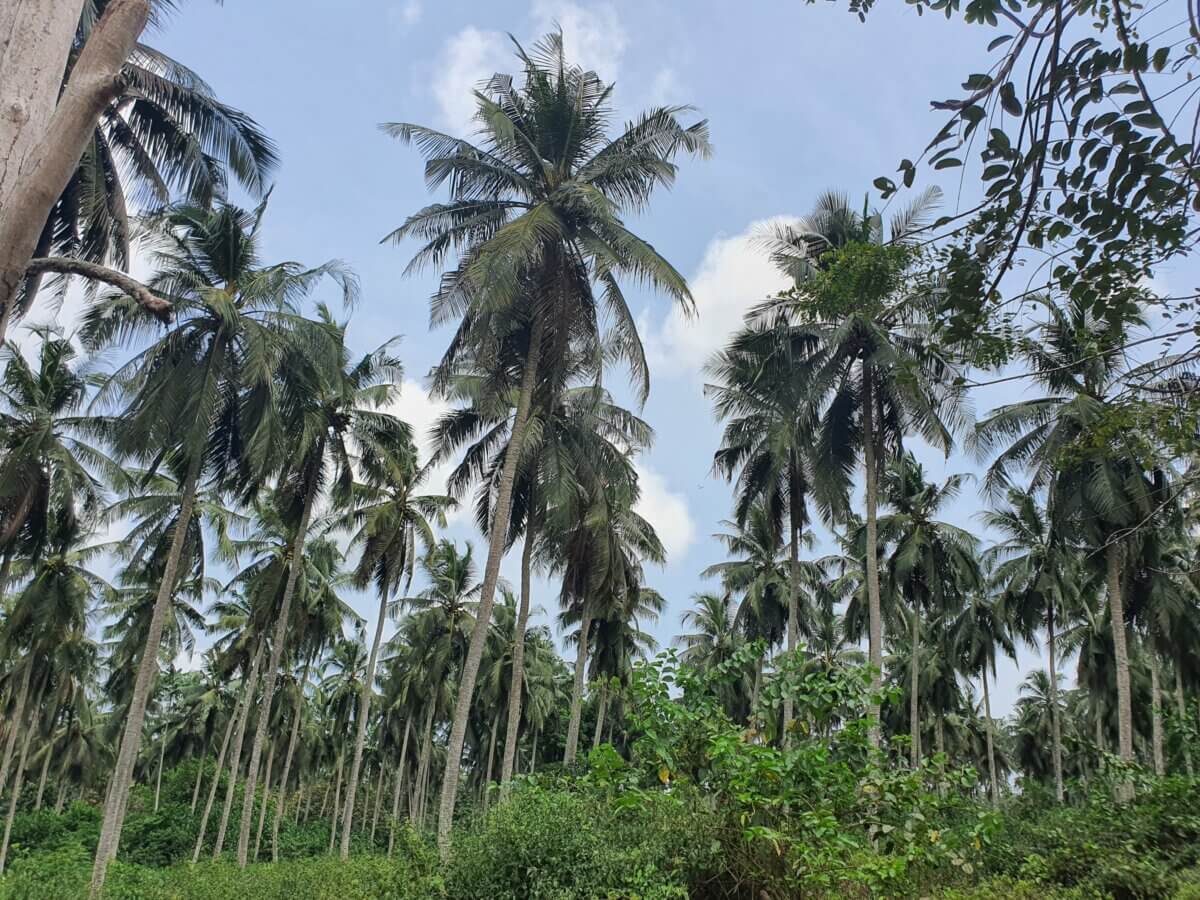
The visit allowed these insights to be tested and refined in practice, combining field visits and strategic working sessions. Together with the SAFL team, Jos visited coconut plantations in Assini, Jacqueville and Fresco. He observed dehusking and packing operations at collection centres and explored small-scale coconut oil and husk processing facilities. These field visits provided a clearer understanding of supplier relationships, quality grading practices and coordination between farmers, collectors and processing centres. They also made it possible translate earlier strategic discussions into concrete, realistic actions.
Stability and scale as priorities for 2026
The main priority agreed for 2026 is clear: focus on stability and scale. SAFL aims to increase exports to one container per week by strengthening supplier relationships, improving quality control, and introducing structured incentive systems for reliable partners. Longer-term ambitions such as coconut oil processing, cocopeat production and plantation development will be explored step by step, once export volumes and cash flow are stabilised. By first consolidating its core export activity, SAFL can build a stronger foundation for future diversification.
The collaboration demonstrates how PUM expertise can support local entrepreneurs in professionalising operations, prioritising growth strategies and building stronger agricultural value chains. With focus, discipline and continuity, SAFL is well positioned to contribute to the revitalisation of Ivory Coast’s coconut sector and to create more structured market opportunities for rural suppliers.

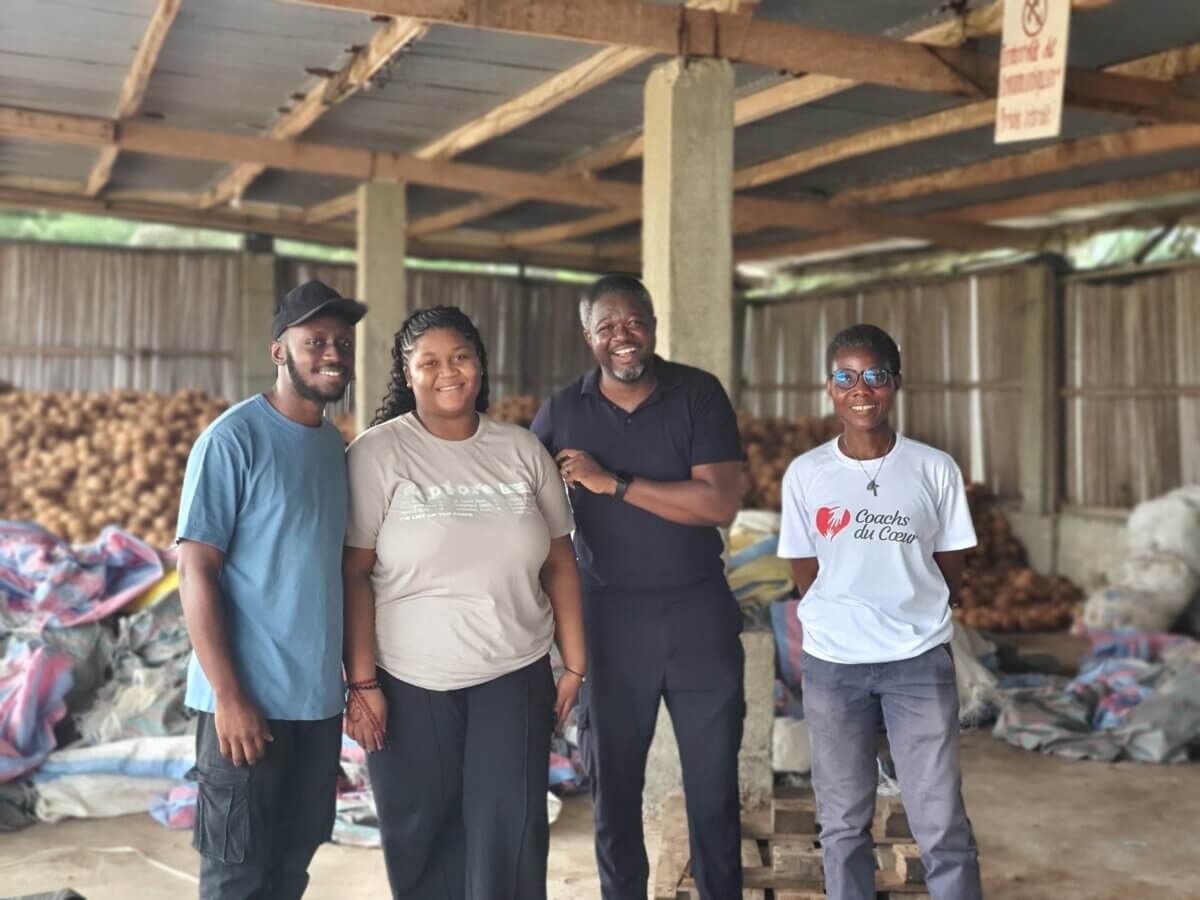
Interested in this project? Get in touch with

Adis Tignokpa
Representative Ivory Coast
Similar projects