





- Projects
- Investing in students and regional development in Kenya
Investing in students and regional development in Kenya
In Mombasa, Kenya, Kisauni Vocational Training Centre is taking important steps to modernise its teaching approach and strengthen connections with industry. In collaboration with PUM expert Joke Bos, the school is equipping its teaching staff with competency-based education methods. Better prepared students, completing their education with a diploma, will improve their employment prospects and support the local economy.
Established in 1968, Kisauni Vocational Training Centre provides technical education to young people aged 15 to 25 across a wide range of technical education, from electrical engineering and ICT to fashion, plumbing and food & beverage. The school’s mission is to consistently offer relevant, affordable, and quality vocational skills training to the community, with the ambition of empowering young people and developing the community through practical education.
As Kenya transitions towards new national educational standards, the school is adapting its programmes to better prepare students for the labour market.
Responding to new educational standards
The request to PUM focused on two key priorities. PUM expert Joke Bos explains: “First, training Kisauni VTC’s 35 teaching staff in CBET methodologies to align with the new national educational standards. In addition, strengthening linkages between the institution and industry to improve student placement and practical training opportunities. Furthermore, the school is seeking ways to ensure that fewer students drop out prematurely and leave school without a diploma.”
From online preparation to practical application
The collaboration started online in autumn 2025, when Joke and the school’s management developed an activity plan together. This preparation laid the foundation for an intensive training programme.
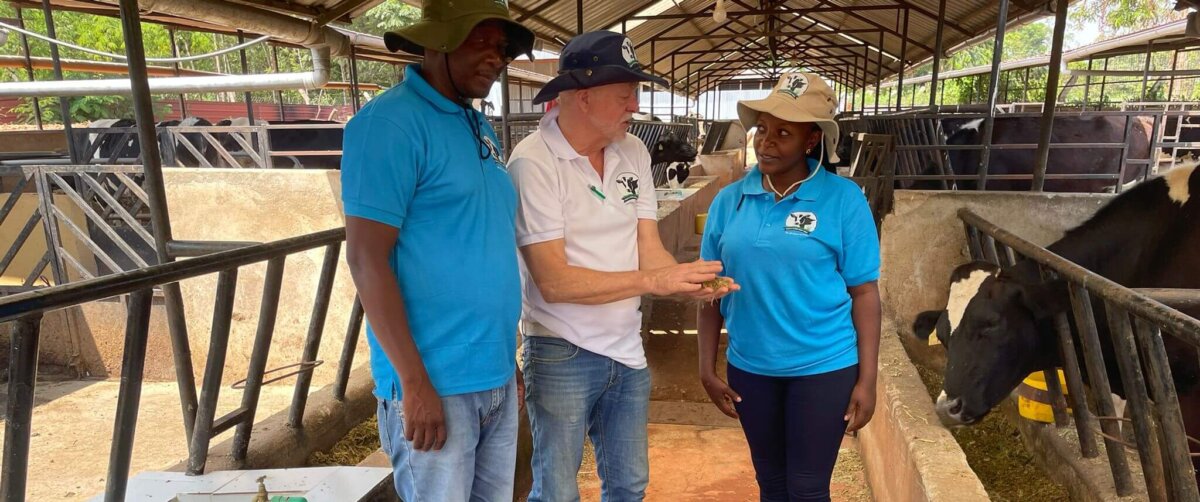
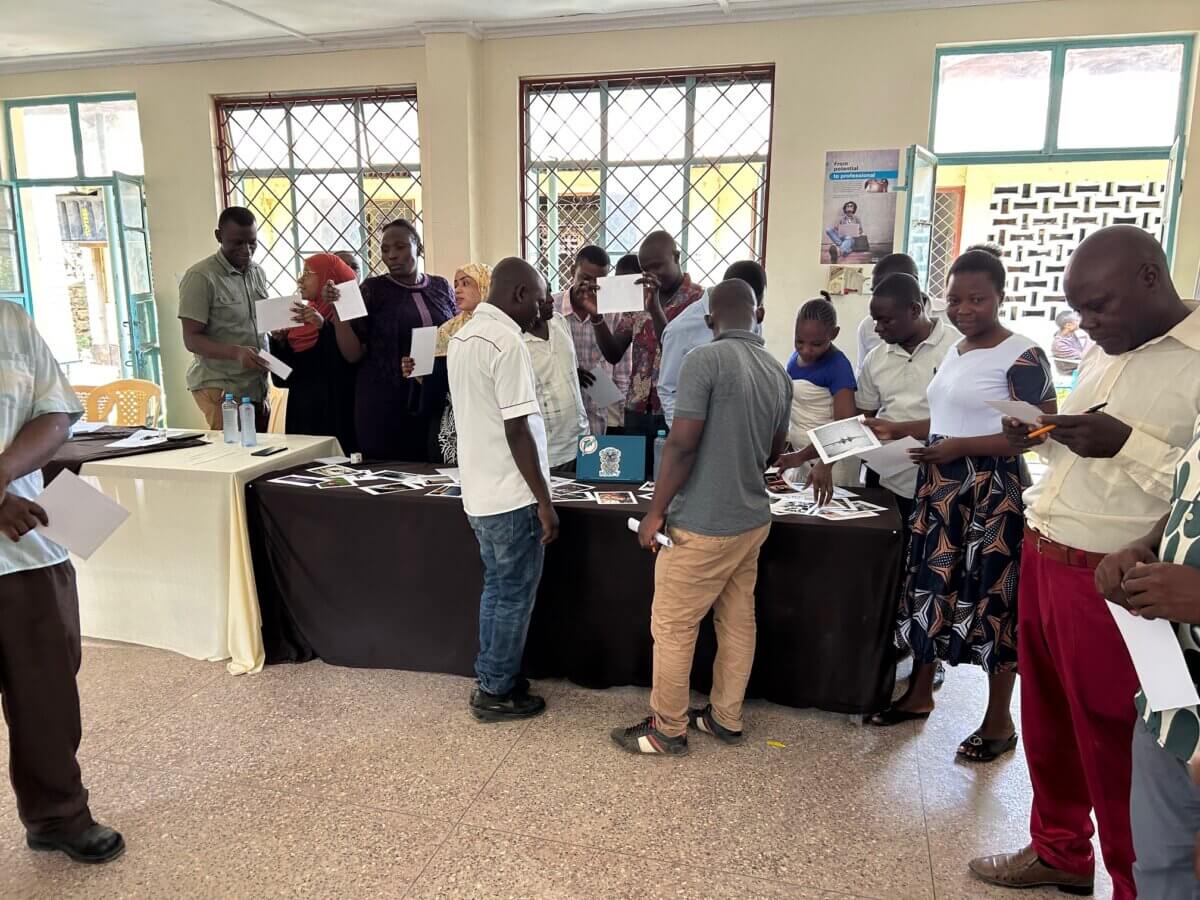
During the project, extensive sessions were delivered on the transition from traditional knowledge-based learning to competency-based education. Joke explains: “We covered many examples of activating teaching methods. In addition, we visited two companies to gain a good understanding of the school’s collaboration with the industry. Workshops with the management team further explored how to shape the educational transition and align programmes more closely with labour market needs.”
Building stronger links with industry
A key outcome of the project is a renewed focus on collaboration with the business community. By consulting companies more frequently and incorporating their feedback into curricula, the school aims to ensure that training better reflects real-world demands. At the same time, the teaching team is now equipped to design competency-based lessons, supported by a concrete implementation plan. This structured approach will guide the school in embedding the new methodology across its programmes.
The project is expected to contribute to a reduction in dropout rates, as teaching becomes more tailored and engaging. More students completing their education with a diploma will improve their employment prospects and support the local economy. “The implementation of the advice will lead to the improvement of education and organisation in the coming years, while strengthening the connection with companies. This will be beneficial for the region’s economic development.” Joke concludes.



Interested in this project? Get in touch with

Beatrice Kamuli
Representative Kenya, Mombasa
Similar projects