





- Projects
- Skills training for Zimbabwe’s young agricultural entrepreneurs
Skills training for Zimbabwe’s young agricultural entrepreneurs
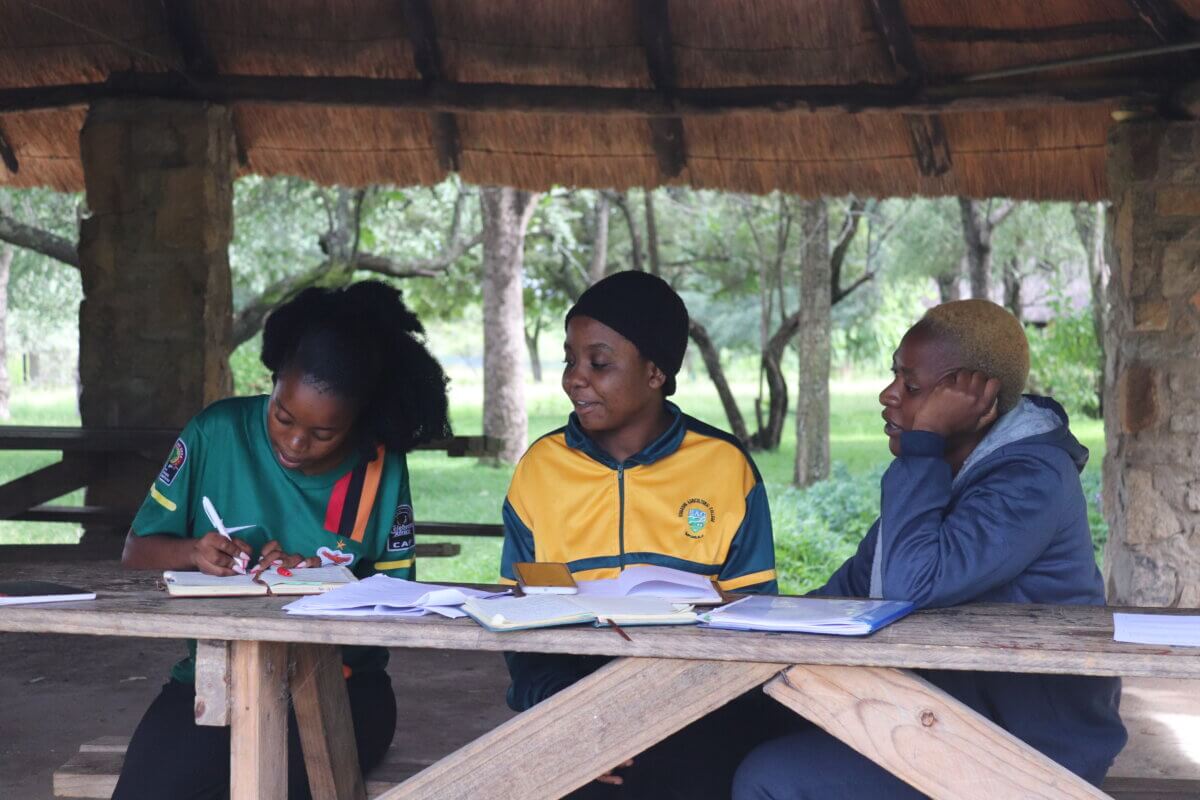
In Zimbabwe’s Matabeleland region, Ebenezer Agricultural Training Centre prepares young people for careers in agriculture. With support from PUM and as part of the Sondelani ecosystem, trainers are strengthening their teaching methods to make learning more interactive, practical and impactful, enabling a new generation of agricultural entrepreneurs to grow.
In the Matabeleland region of Zimbabwe, near Bulawayo, Ebenezer Agricultural Training Centre offers young people a pathway into agriculture and entrepreneurship. The centre provides residential apprenticeships for young adults from rural communities, combining classroom learning with hands-on experience in dairy farming, poultry production and crop cultivation.
More than one hundred apprentices live and work on site, developing both agricultural and business skills while contributing to the centre’s farm enterprises. The programme aims to prepare graduates to start their own agribusinesses or find employment in Zimbabwe’s growing agricultural sector.
To further strengthen the quality of training, Ebenezer requested support through the PUM–Sondelani partnership in Zimbabwe, focusing on improving the didactic skills of its trainers and enhancing digital learning through the Hamara platform.
Moving from lectures to active learning
PUM expert Tom Adams, specialised in education and vocational training, worked with the trainer team to introduce more interactive teaching methods. The goal was to make learning more engaging and better connected to real agricultural practice. During the project, Adams observed lessons, coached trainers and organised workshops on activating didactics, practice-based learning and formative assessment. Trainers experimented with group discussions, peer learning and practical assignments designed to strengthen understanding and retention.
“As educators we often rely on lectures, but learning becomes much more powerful when students actively participate,” Adams explains. “Together with the Ebenezer team we explored ways to move towards interactive teaching methods that connect classroom knowledge with daily farm practice.”
Another important focus was strengthening collaboration between classroom teachers and farm supervisors, ensuring that theory and practice reinforce each other.
Strengthening digital learning through the Hamara platform
In addition to the on-site training, the project included an analysis of the Hamara digital learning platform, which supports apprentices and farmers in several countries.
The aim was to assess how the platform can better support learners with different educational backgrounds and how digital content can remain engaging even without face-to-face interaction. Recommendations were developed to improve accessibility, structure and practical application of the learning materials.
Impact for apprentices and the wider community
The project strengthened the skills of the training team and introduced practical tools that can immediately be applied in daily lessons. Several trainers are now able to apply activating teaching methods and share these approaches with colleagues, creating a sustainable train-the-trainer model within the organisation.
Beyond the classroom, the initiative contributes to a broader vision. By combining education, practical farming and digital learning, Ebenezer aims to develop into a regional hub for agricultural training and innovation within the Sondelani ecosystem.
As Adams reflects: “What impressed me most was the strong sense of community and responsibility at Ebenezer. Zimbabwe has enormous agricultural potential, and initiatives like this encourage young people to turn that potential into real opportunities.”


Similar projects