

- Projects
- Blooming future in West Bengal, India
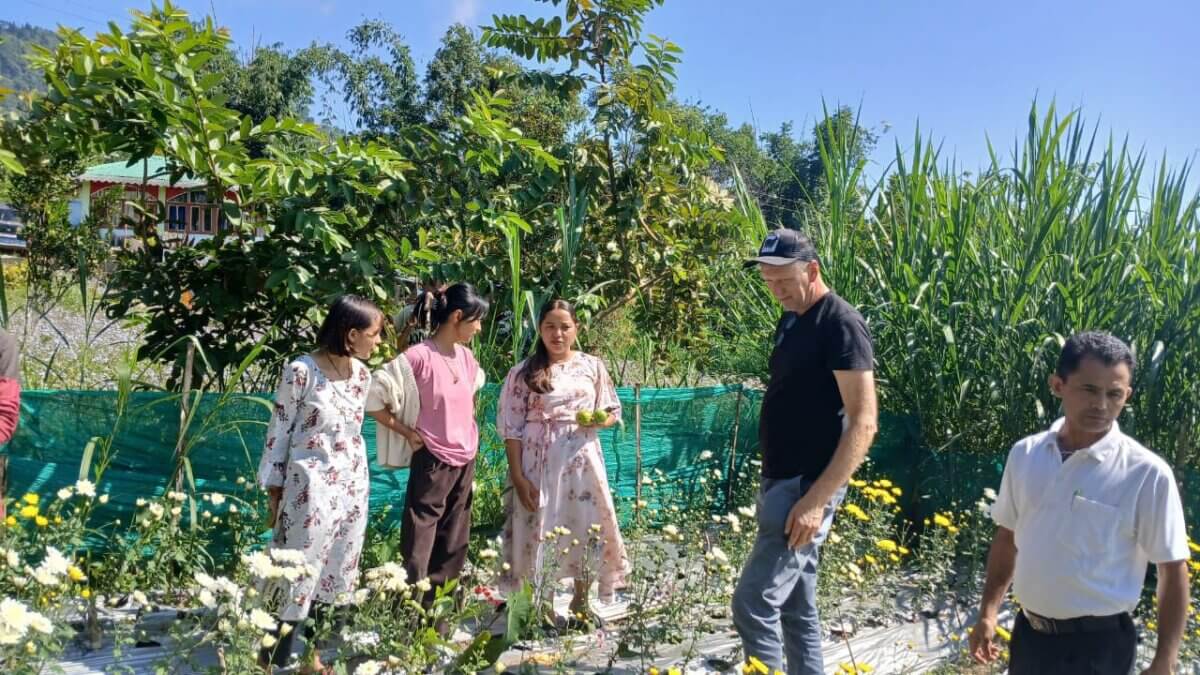
High in Himalayan region of upper West Bengal, India, a community of micro floriculturists is working towards a more stable livelihood. Their prospects recently took a new turn through a collaboration between PUM and Hemnagar Sundarban Dream. After assessing the current status of flower cultivation, a train-the-trainer programme enabled the transfer of practical knowledge aimed at raising quality, output and flower variety for a more sustainable future.
Hemnagar Sundarban Dream operates in different parts of India, among which the remote northern part of West Bengal, bordering Nepal and Bhutan. With a team of staff, field workers and volunteers, the organisation focuses on improving the prospects of marginalised households. Among their most engaged groups is a Farmers Producers Organisation (FPO) representing around 300 small growers. Many cultivate flowers on narrow terraces, often combining floriculture with vegetables or fruit on very limited land.
In recent years, these farmers began producing new varieties as a supplementary source of income. While the potential was clear, the work remained restricted by limited knowledge, basic irrigation, and challenging weather conditions, including heavy monsoon rains and the risk of landslides. With this in mind, Sundarban Dreams approached PUM in search for a way to strengthen their skills, organisation and market readiness.
Growing possibilities
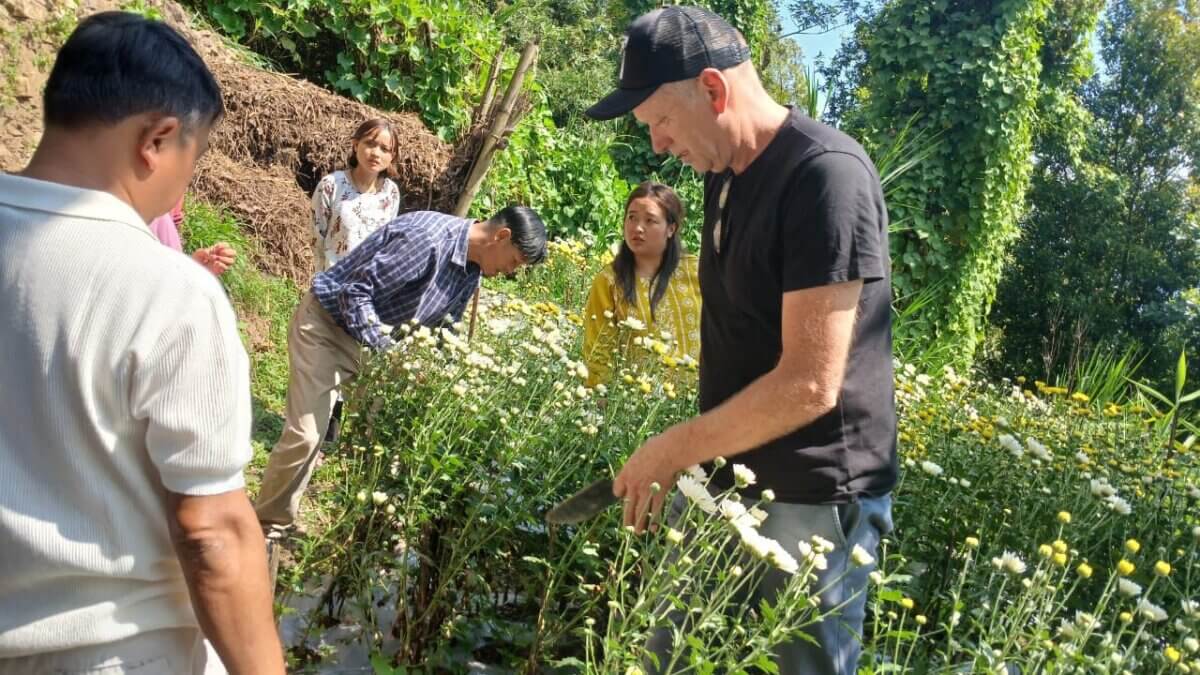
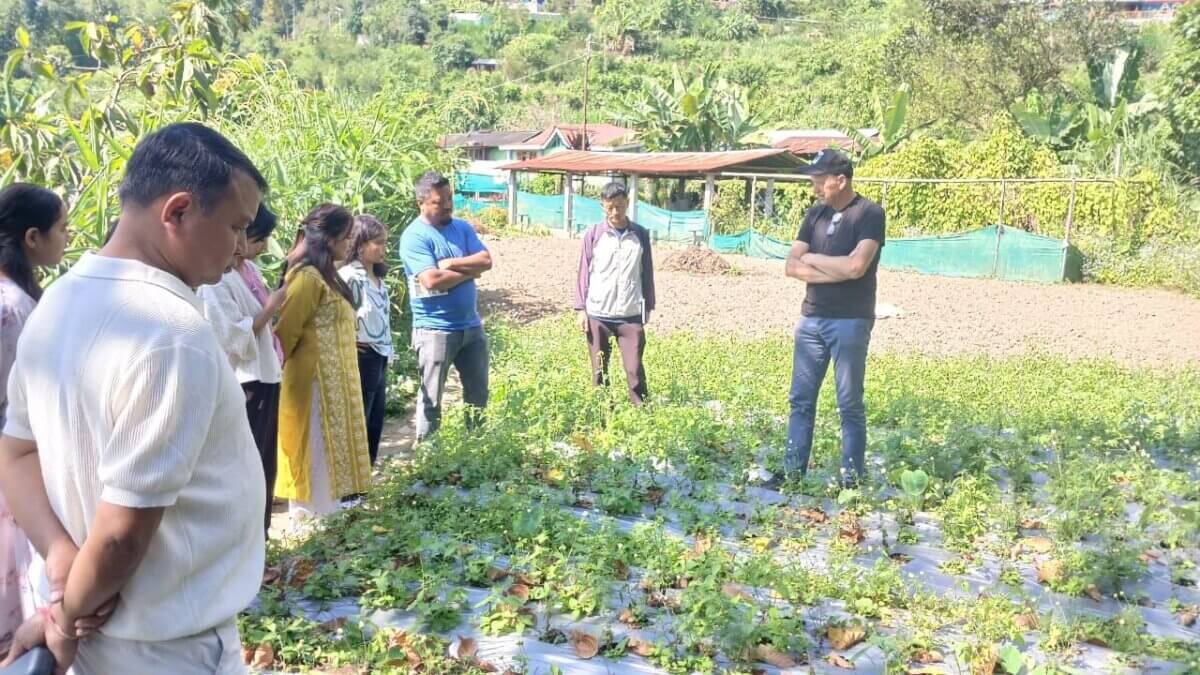
PUM expert Jan van Leeuwen travelled to the Darjeeling district for a five-day visit focused on building training capacity within the organisation. He began with visits to local farms, which offered a clear picture of current practices: seasonal chrysanthemum grown outdoors; year-round gerbera grown both in polyhouses and in open fields; irrigation mainly by hosepipes; and packaging limited to simple plastic sleeves.
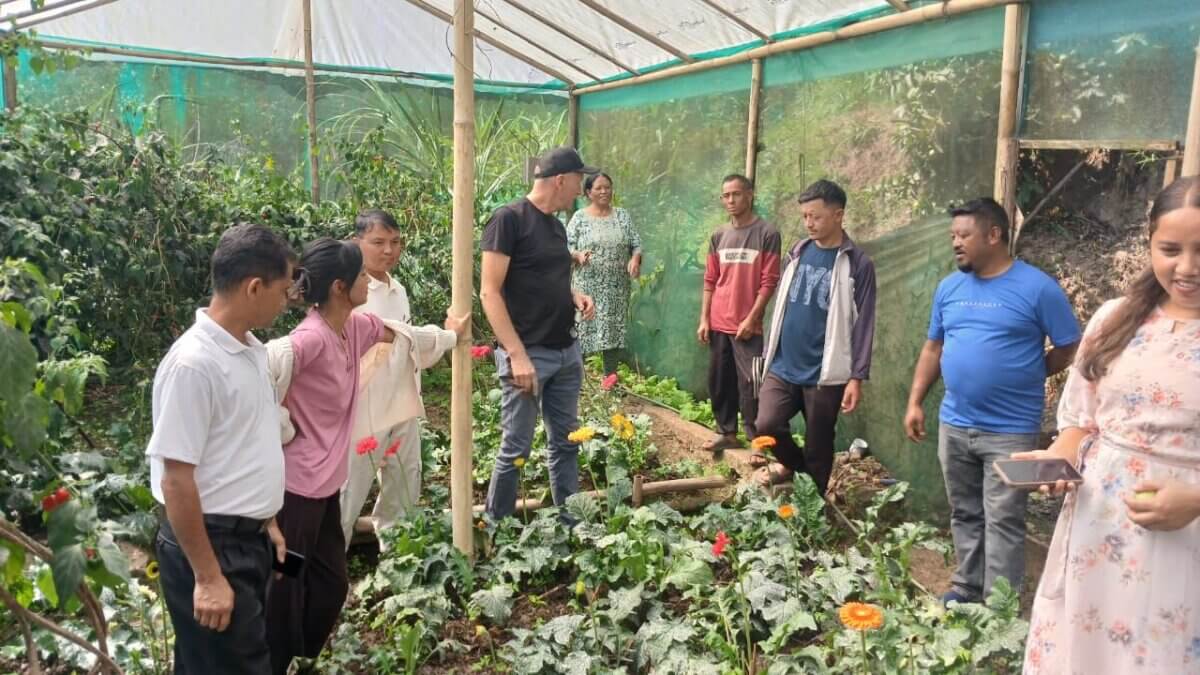
These insights shaped the ‘train-the-trainer’ programme that followed. A small school building became the hub for the training sessions, bringing together trainers and staff from Sundarban Dream. Jan covered subjects including cultivation techniques; irrigation and nutrition planning; integrated pest management based on organic inputs; marketing and sales; crop rotation through new varieties, as well as through using green crops and specific crops aiming for disease control; and the potential link between floriculture and beekeeping. The focus remained on practical methods that could be adopted gradually and shared effectively with the wider community.
Practical improvements
The project highlighted a series of practical steps that can gradually raise both quality and income. Diversifying varieties, particularly Gerbera and Chrysanthemum, can stabilise cropping cycles and wider market appeal. Strengthening the cultivators’ position in the value chain is another important development. By organising sales cooperatively, farmers can negotiate fairer prices and reduce dependence on multiple intermediaries. More sustainable packaging alternatives can support environmentally responsible distribution. In the longer term, shared cold storage would reduce losses during transport and allow more reliable deliveries.
Such developments hold positive implications for the community. As flower production becomes more reliable, income security is likely to improve. Women and young people, already active in the daily labour, may find more consistent roles as the sector grows. The area’s clean environment and low chemical use also create favourable conditions for beekeeping, which could add both ecological benefits and an additional revenue stream.
Looking ahead
Although the landscape limits large-scale expansion, gradual improvements can make floriculture a more resilient and rewarding activity for the region’s smallholders. Remote contact between Jan and the trainers will continue, allowing ongoing discussions on cultivation, marketing and new opportunities. Other rural activities, including beekeeping and homestay tourism, may also be explored with PUM experts as complementary sources of income in this serene Himalayan landscape.


Interested in this project? Get in touch with

Aditee Chetia
Representative India, Guwahati
Similar projects