


- Projects
- Building on beekeeping tradition in Ivory Coast
Building on beekeeping tradition in Ivory Coast
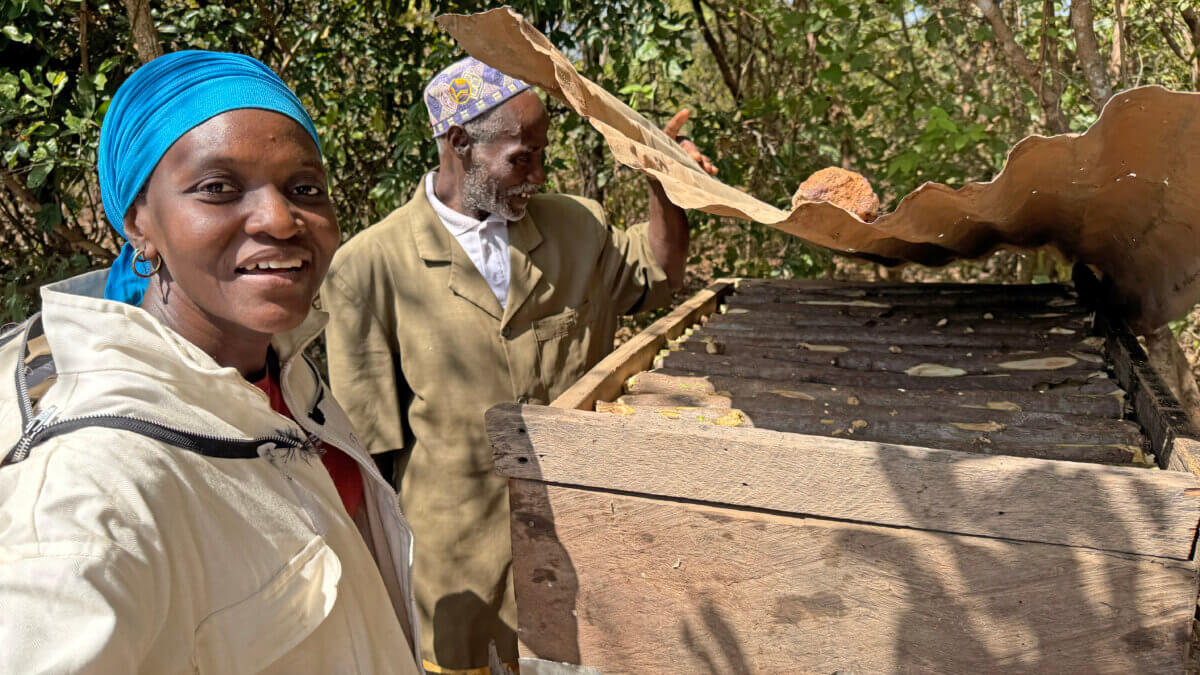
In northern Côte d’Ivoire, beekeeping is more than a source of honey. It is a family tradition, a complementary livelihood for farming households and, increasingly, a professional activity with growing market potential. Through a long-term collaboration between PUM and local entrepreneur Mme Mabre Cissé, knowledge transfer and practical training are strengthening sustainable production and rural incomes.
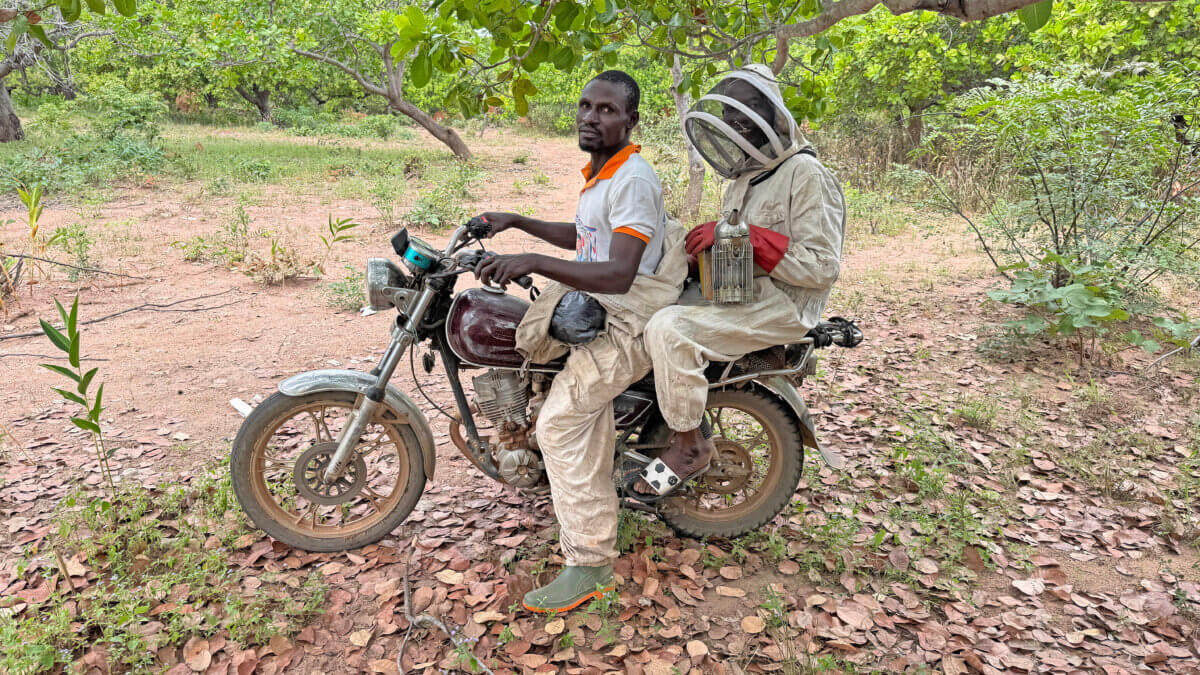
Amine-Indus, operating under the brand LABEILLE, is based in Gbéléban in the north of the country. The company is owned by Mme Mabre Cissé, an ambitious female entrepreneur who learned beekeeping from her mother and has built on this family legacy with determination. Over the years, she has developed a network of around 80 beekeepers harvesting honey from natural forest vegetation and cashew plantations.
While production takes place in the north, most honey is sold in larger cities in the south, where higher prices significantly increase the income of local beekeepers. Alongside traditional jars, LABEILLE also offers honey in 10-gram sticks for tea and coffee, widening its market reach. Over the past year, sales have grown to around 1,000 kilograms per month.
A continued focus on skills and quality
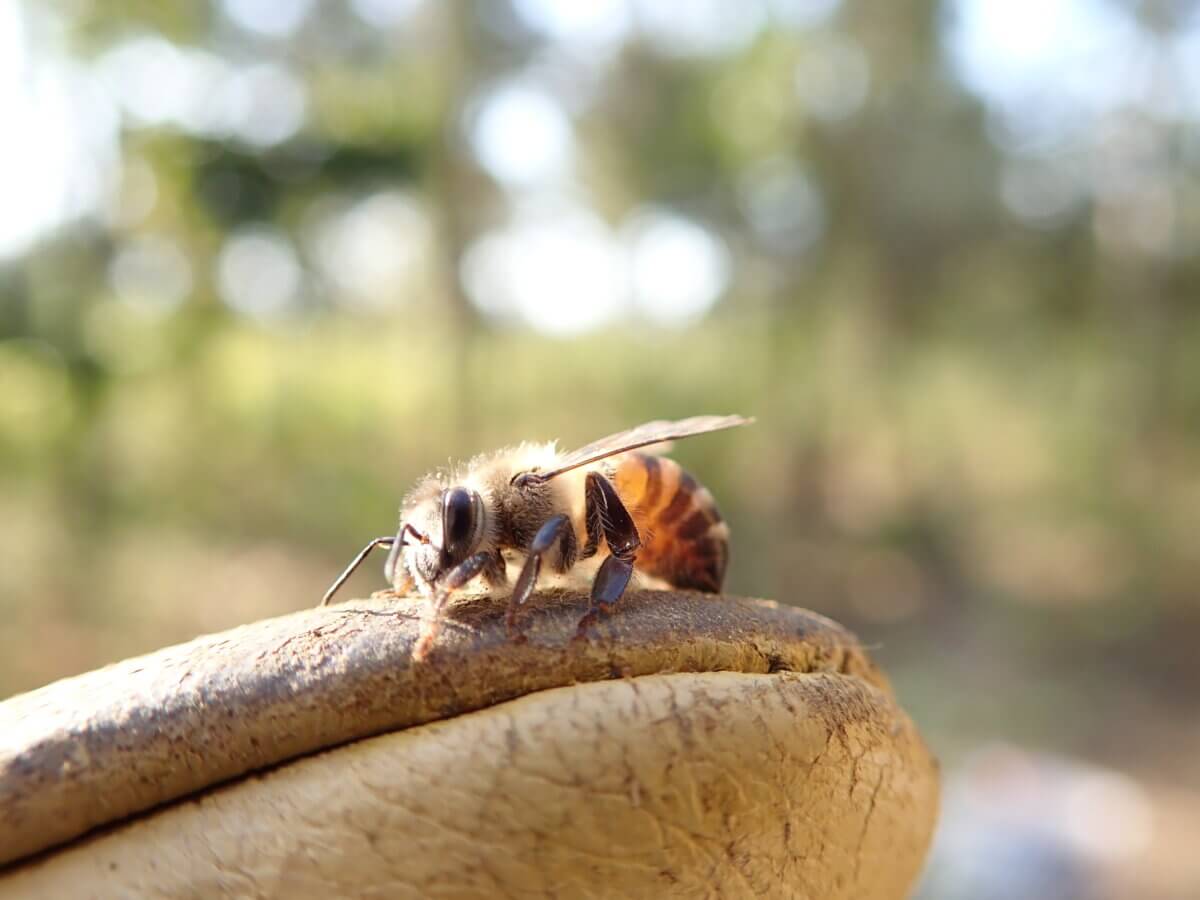
Mme Cissé first worked with PUM in 2024, welcoming beekeeping expert Jan Koeman. That initial collaboration focused on strengthening basic beekeeping knowledge, improving interaction between beekeepers and bees, and deepening understanding of the honeybee lifecycle.
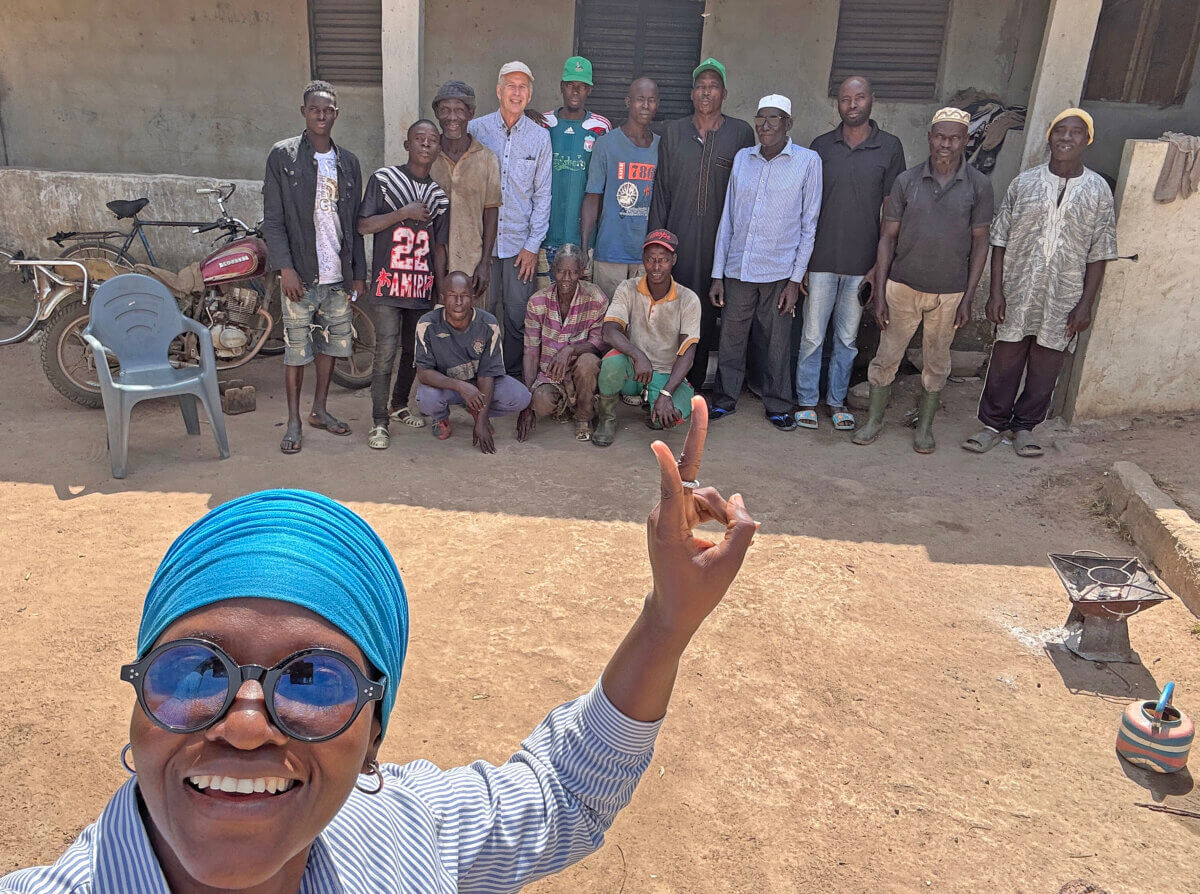
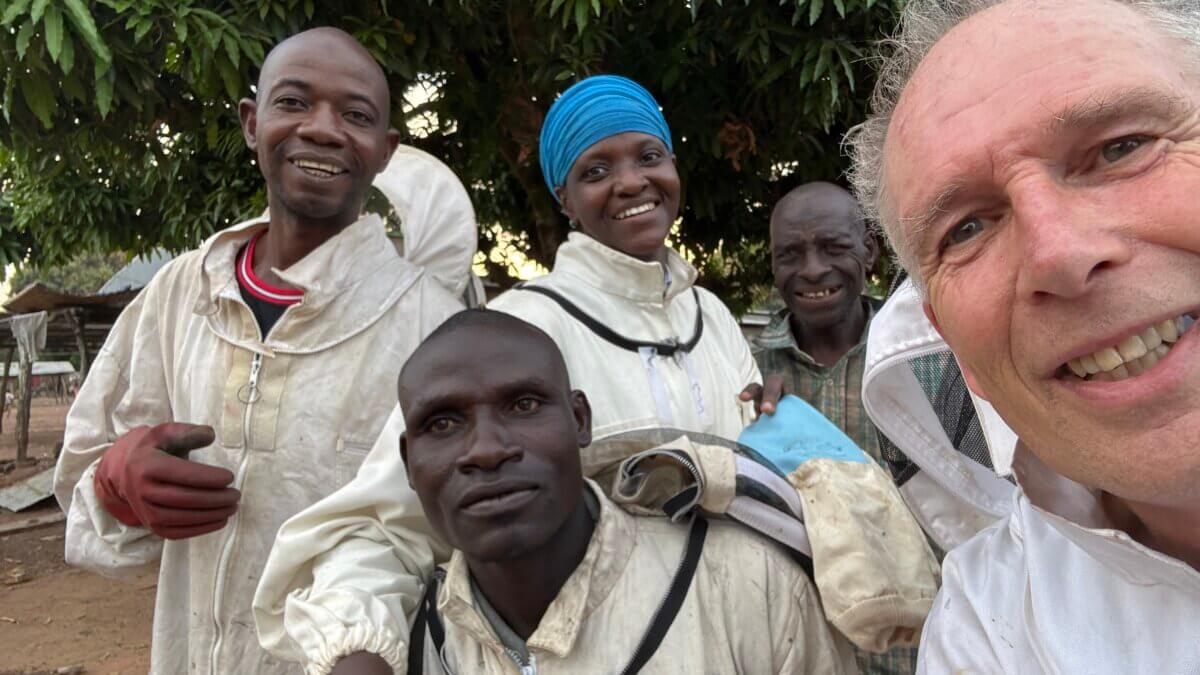
A year later, a follow-up project built on this foundation. The focus shifted towards further improving practical skills, consistency in production, and hygiene. Around 40 beekeepers and staff members took part in training sessions covering colony management, disease and pest control, and the link between local vegetation and honey yields.
Learning close to practice
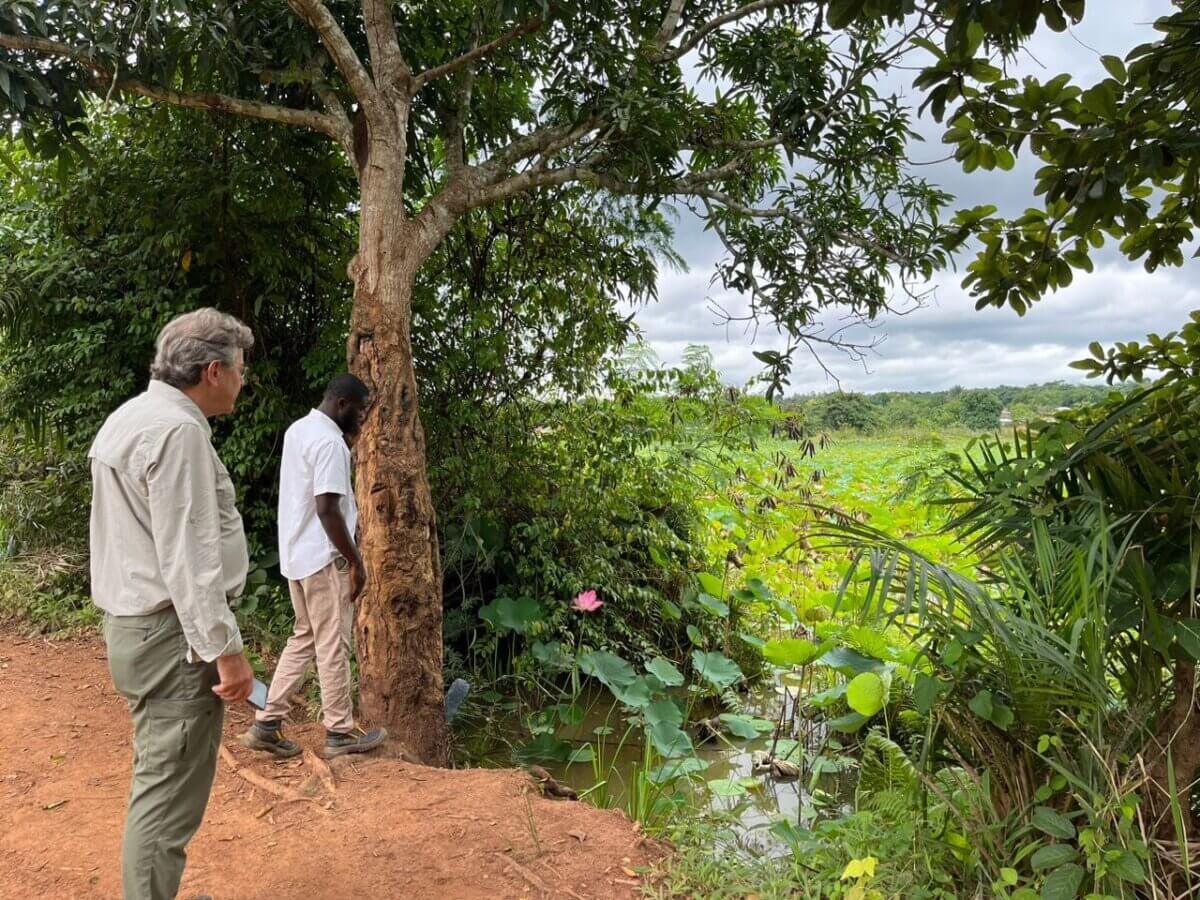
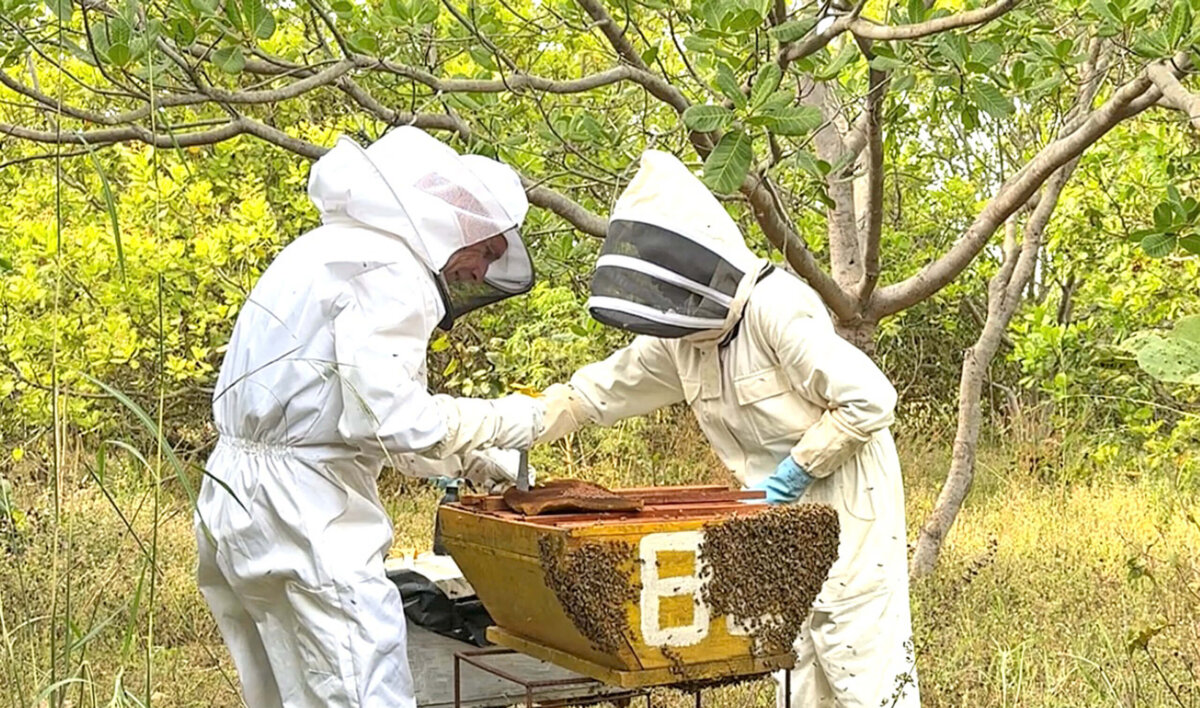
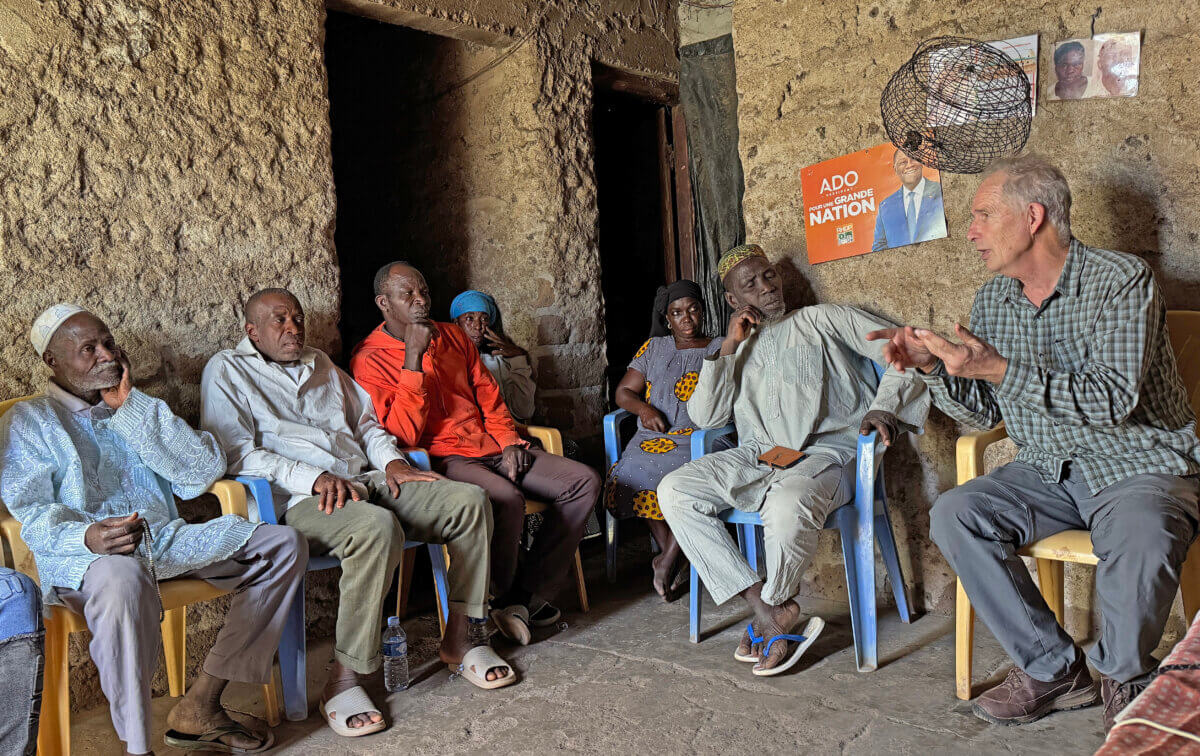
Jan’s training combined classroom sessions and hands-on fieldwork. In three villages, Jan delivered theory sessions in French, with Mme Cissé acting as interpreter where needed. These were followed by practical afternoons inspecting hives and transferring colonies from damaged traditional hives into modern Top Bar hives, introduced by Mme Cissé. These improve hygiene, ease of use and beekeeper motivation.
Wider impact in rural communities
Most participating beekeepers are also farmers, growing crops such as rice, maize and cassava. Beekeeping provides additional income, while agriculture remains their main livelihood. Alongside honey production, Mme Cissé facilitates access to mechanised harvesting and solar-powered irrigation, initiatives that are expected to expand and strengthen rural resilience.
Jan also revealed new opportunities for value creation. Beeswax, previously discarded, can now be recovered using simple techniques, creating potential for additional products and income. Photos and short videos from the training are shared via LABEILLE’s Facebook page and used for promotion and ongoing instruction, building long-term skills development.
Looking ahead, a local honey processing facility is under construction in the production area. The building, which will include accommodation and training space, is expected to be operational for the 2026 harvest season and will support improved quality control, professional processing and continued knowledge exchange.
Interested in this project? Get in touch with

Hervé Touan
Representative Ivory Coast, Abidjan
Similar projects