



- Projects
- From advice to investment: stronger vocational training in Ghana
From advice to investment: stronger vocational training in Ghana
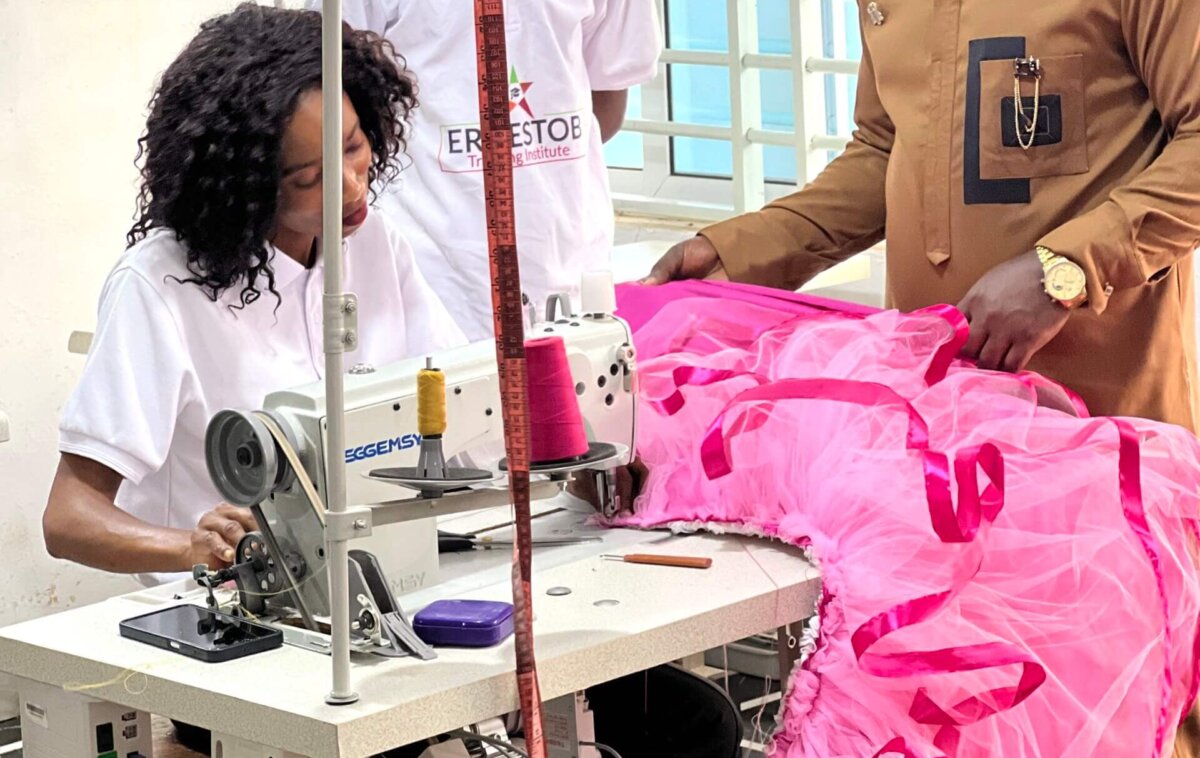
The collaboration between PUM and Ernestob Training Institute in Ghana combines advice on location with a grant from PUM’s Hans Blankert Fund. Together, these two elements support the institute in strengthening training quality, expanding capacity and increasing its impact on the local community. What began as a strategic review has led to concrete improvements. Clear direction, better equipment and stronger practical learning now support sustainable growth and better employment prospects for young people.
Based in Techiman, in Ghana’s Bono East Region, Ernestob Training Institute (ETI) prepares young people for the professional world. Founded in 2016 by Ernest Osei Bonsu, the institute offers training in fashion, catering, cosmetology and ICT. From the start, ETI has deliberately chosen a practical approach, combining classroom learning with hands-on assignments and internships.
A young institute with strong ambitions with PUM
ETI is officially affiliated with the Ghana Technical and Vocational Education and Training (TVET) Service, an important step towards becoming a fully recognised TVET institute. At the beginning of 2025, the organisation was still relatively small, with three teachers and a limited number of students. While founder Ernest Osei Bonsu had clear ambitions for growth, further development required a sharper strategic focus, stronger didactic practice and better-equipped training facilities.
Focused collaboration
ETI approached PUM to improve training quality and prepare for future expansion. Together with PUM expert Marina Versluis, priorities were defined during online preparation sessions, focusing on the development of a strategic plan and an assessment of teaching practice. During Marina’s visit in Ghana, time was taken to understand the institute’s context, ambitions and limitations. The strategic plan that emerged, provides ETI with a realistic framework for growth over the coming years. It supports decision-making, enables prioritising investments and aligning institutional development with TVET requirements. Classroom observations and self-assessments showed that teachers already delivered solid training, while also identifying opportunities to further strengthen competency-based education and entrepreneurial skills within the existing curricula.
Turning insight into investment
One key conclusion from the project was that growth in student numbers and training quality would not be possible without additional equipment. Competency-based education requires students to practise with tools that reflect real working environments. This insight led to a grant application to PUM’s Hans Blankert Fund for partial funding of essential materials.
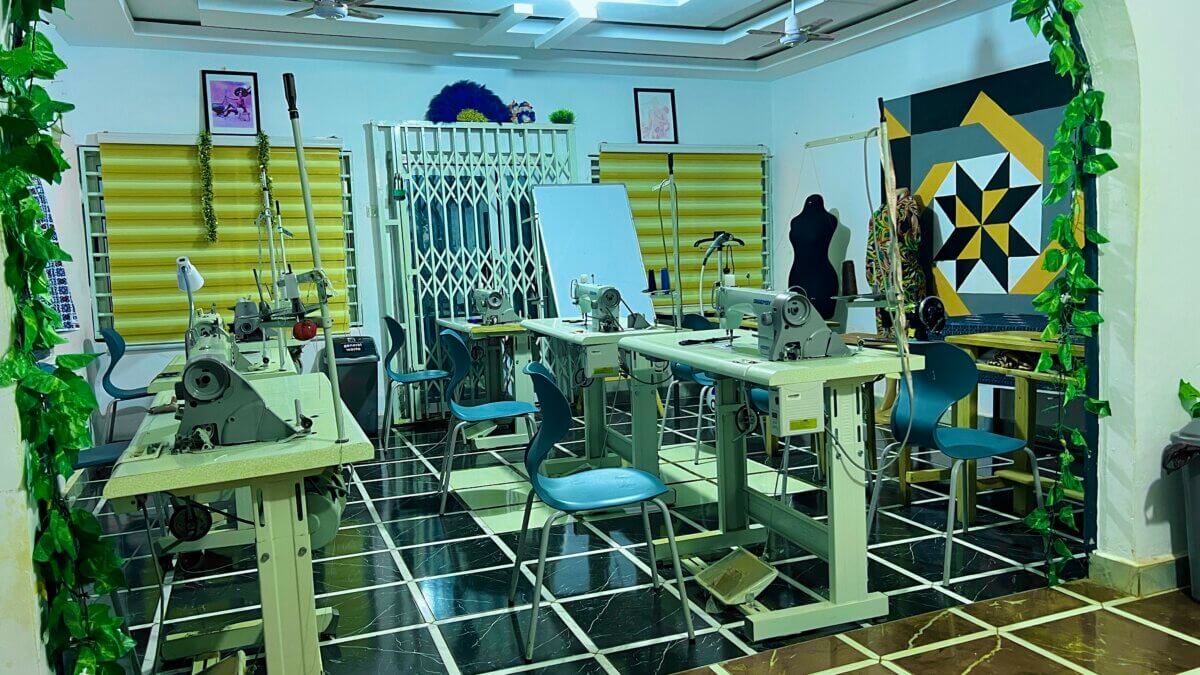
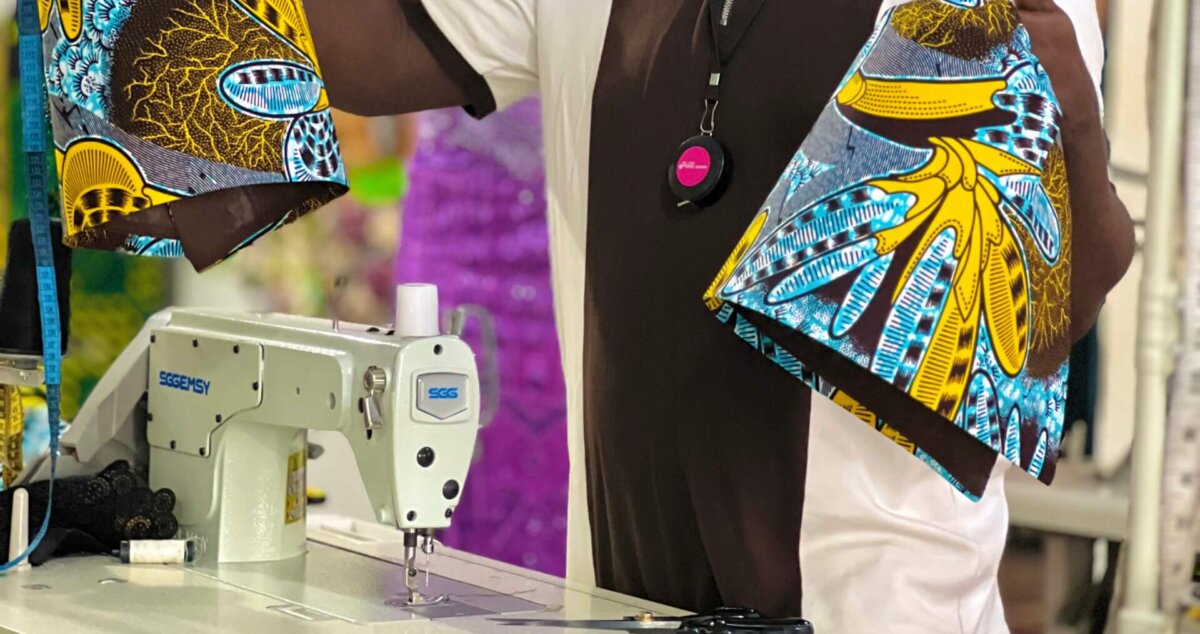
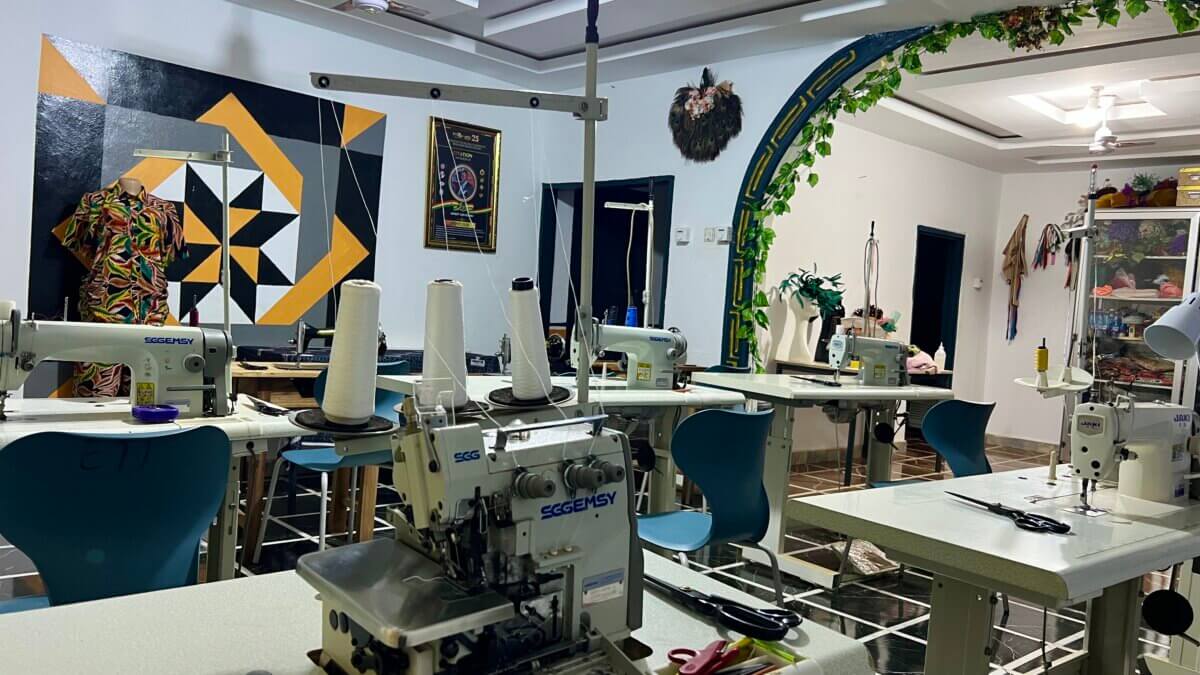
The grant enabled ETI to invest in industrial sewing machines, allowing fashion students to work with equipment commonly used in industry. ICT equipment, including computers, a projector and internet access, supports digital learning across departments and enables teachers to enrich lessons with online resources. New tables and chairs improve the learning environment, while catering equipment such as a chest freezer and burners reduces waste and ensures continuity in practical lessons.
This targeted investment strengthens ETI’s capacity to admit more students, enhances training quality and supports gradual financial growth.
Impact for students in the wider community
The combined effect of professional advice and practical investment is already visible. ETI is better positioned to attract young people, including women, seeking skills that lead directly to employment or self-employment. Graduates leave the institute with stronger competencies, greater confidence and a clearer understanding of how to generate an income.
Economically, increased enrolment contributes to a more stable income base, supporting sustainability and future development. Socially, the institute offers constructive opportunities for young people who might otherwise remain idle, contributing to community stability. While ecological impact is not the primary focus, attention to waste reduction and responsible resource use is increasingly integrated into catering and fashion training.
With a clear strategic direction and improved facilities, Ernestob Training Institute is taking steady steps towards its next phase of development. Follow-up support from PUM, both on location and online, remains an option as new priorities emerge.

Interested in this project? Get in touch with

Samuel Kwasi Ansu
Representative Ghana, Brong Ahafo
Similar projects