


- Projects
- How Château Héritage reinvented Lebanese wine
How Château Héritage reinvented Lebanese wine
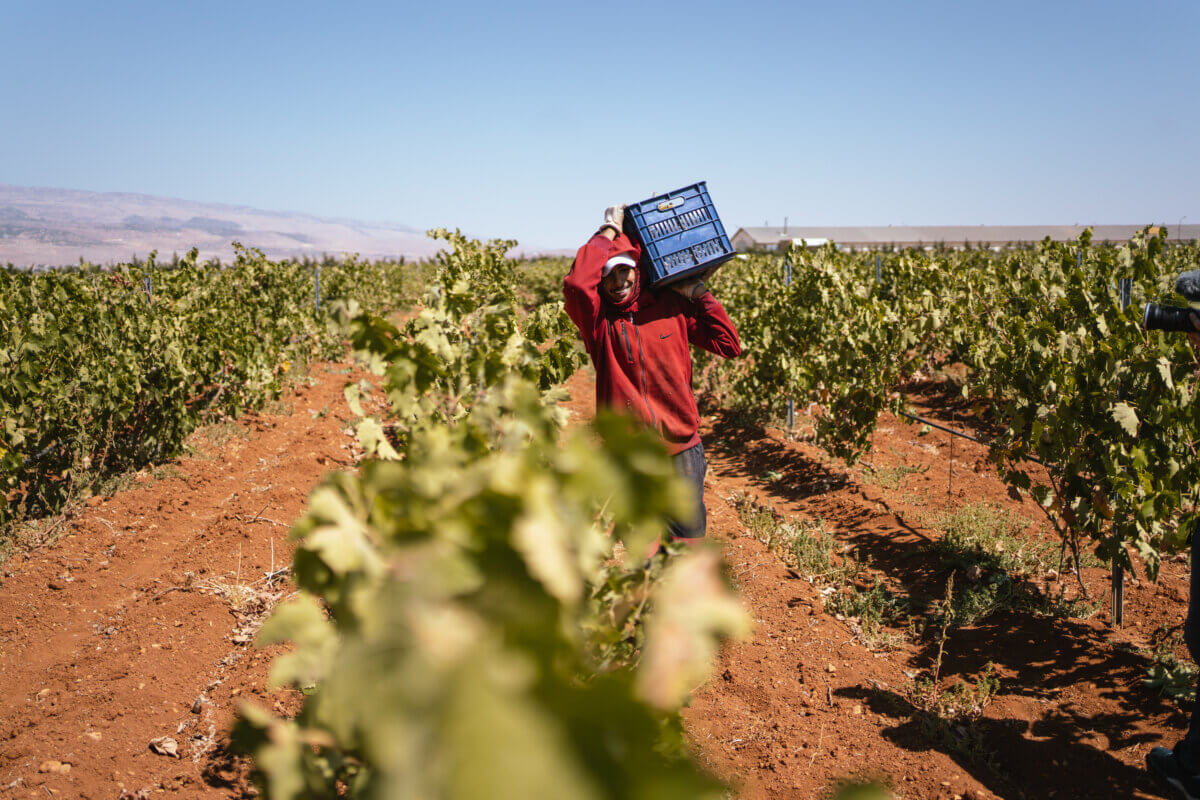
Château Héritage, a family winery in Lebanon’s Bekaa Valley, blends traditional winemaking with modern techniques. Through remote collaboration with PUM, and partial funding for a pressurised tank, the company expanded its product range by developing Lebanon’s first sparkling wine. This innovation contributed to stronger export potential, compliance with sustainability standards for EU markets, and new points of sale within Lebanon. At the same time, the winery preserved its community-based way of working, creating opportunities for local youth and women and supporting rural employment.
PUM Impact Awards 2025
In 2025, Château Héritage was honoured as one of the six winners of the PUM Impact Awards. These awards recognise SMEs and the PUM experts they collaborate with for achievements that lead to sustainable growth and inclusive economic development. Despite Lebanon’s ongoing economic crisis, Château Héritage safeguarded its niche in the wine sector and continued to broaden its impact. Employment grew by 25%, with all jobs rooted in local communities, and new opportunities created for young people, especially in marketing. Their pioneering introduction of a Lebanese sparkling-style wine added a new dimension to national wine innovation, while their market reach strengthened their contribution to one of Lebanon’s primary export sectors. Their commitment to sustainability, community retention and local value creation makes them a good example of meaningful and lasting impact.
The winery and its ambitions
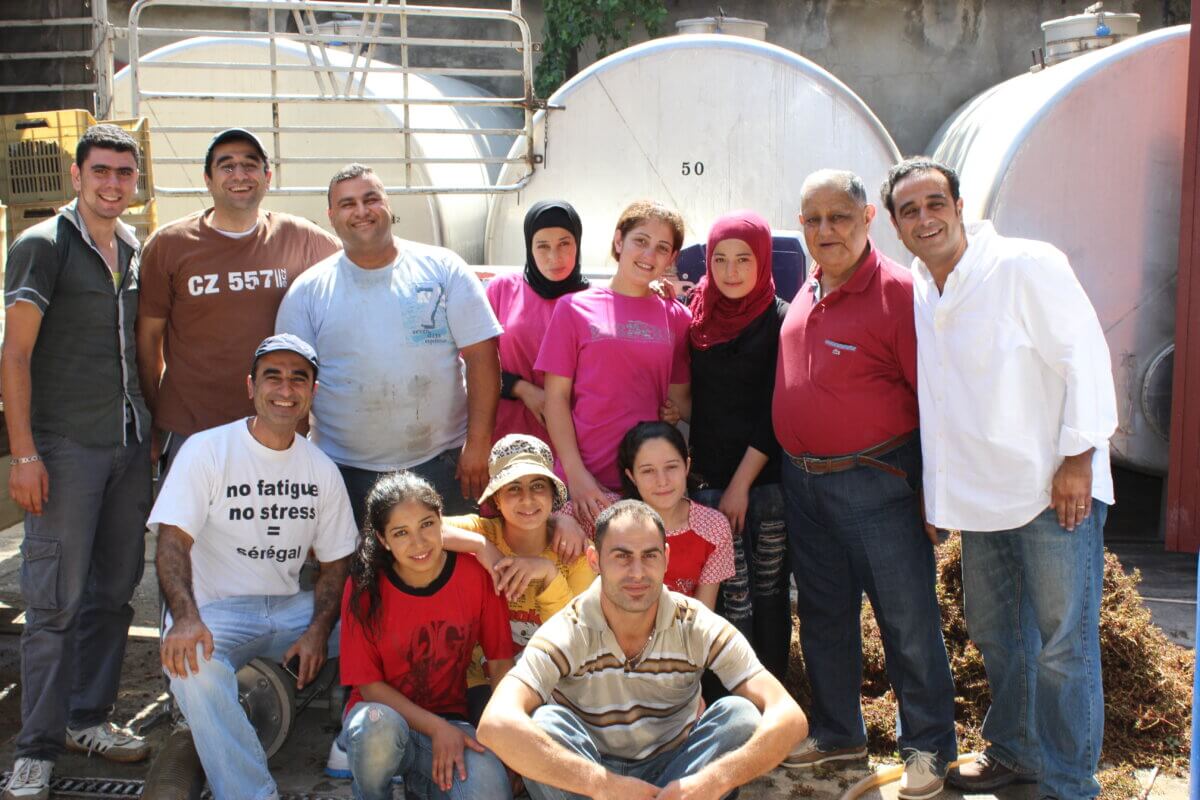
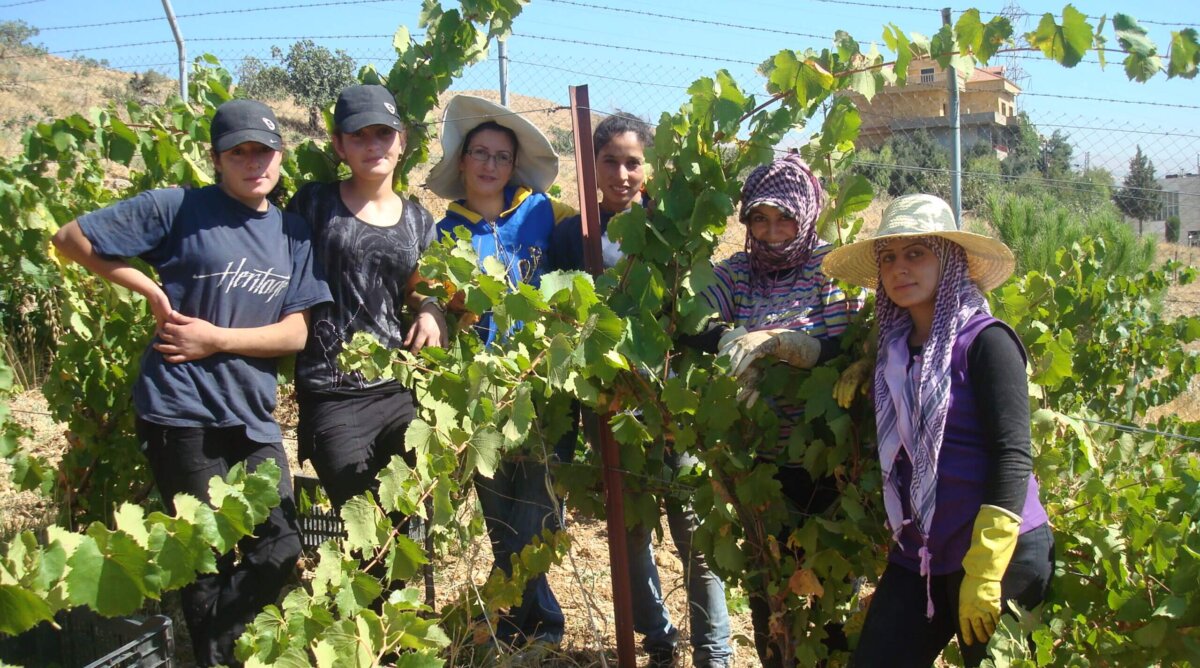
Château Héritage is a long-standing family winery with origins dating back to 1888. Located in rural villages around the Bekaa Valley, the company builds its identity on a blend of traditional winemaking and modern techniques. All employees are recruited locally: by creating stable work close to home, the winery strengthens community ties and reduces the pressure for young people to migrate to cities. Before connecting with PUM, Château Héritage had a strong presence in the Lebanese market and an existing export footprint. Yet the team was keen to grow further, diversify their range and strengthen their position internationally while staying true to their local values.
The company aimed to innovate within Lebanon’s wine sector by creating a sparkling wine using the Charmat (tank) method. While they were familiar with the concept, they sought technical guidance to finetune the production process, determine the right equipment, and ensure consistent quality in line with international expectations. Strengthening sustainability practices for EU export was also essential. In parallel, they were looking to broaden their commercial reach, expand to new points of sale inside Lebanon, and continue exporting despite the economic difficulties the country was facing.
Progress through remote collaboration
Due to travel restrictions, the collaboration with PUM expert Saskia Schuit took place entirely online. Bi-monthly calls were held between the Château Héritage team and Saskia. These sessions combined technical, strategic and practical guidance focused on the stages of sparkling wine production, including tank preparation, pressure management, fermentation, bottling temperature, and quality assurance. The remote set-up offered continuity during a period of national instability. Together, Saskia and Sales & Export Manager Wissam Touma developed a clear work plan covering equipment choice, production adjustments, sustainability considerations, and market expansion. They also reviewed procurement options and the timelines required for production and launch.
In addition, Château Héritage received support from PUM’s Hans Blankert Fund, which co-finances essential equipment for impactful entrepreneurship. Through this support, the company purchased a pressurised tank crucial for producing their sparkling wine.
Impact and outlook
The outcomes of the collaboration were tangible. With the successful launch of Lebanon’s first sparkling-style wine, employment rose, export performance strengthened, and new national points of sale were secured. Finally, sustainability requirements for EU markets were integrated more firmly into their processes.
Looking ahead, Château Héritage aims to further increase its development impact to 40–50%. Plans include expanding sales locally and internationally, continuing to create inclusive rural employment, and developing the sparkling wine line. Their strong community roots remain a guiding force, with youth development, rural job creation and local value retention at the centre of their future growth.


Interested in this project? Get in touch with

Farah El Zein
Representative Lebanon, Baabda
Similar projects