

- Projects
- Rethinking MBA education in Ahmedabad, India
Rethinking MBA education in Ahmedabad, India
In a rapidly changing economy, management education must go beyond theory. It must equip students with practical skills, critical thinking and the ability to work on real-world challenges. This ambition is at the core of a recent collaboration between Lok Jagruti Kendra University (LJKU) in India and PUM. What started as a review of teaching methods has grown into a concrete step towards a more practice-oriented MBA programme with long-term value for students and faculty.
LJKU is based in Ahmedabad, in the Indian state of Gujarat, and is the second-largest private university in the region. With more than 20,000 students across thirteen institutes, it plays an important role in higher education.
Within the university, the School of Management offers MBA programmes in finance, marketing, HR, entrepreneurship and family business management. While academically strong, the programmes were not yet fully aligned with the practical demands of the business world. Experiential learning was part of the vision, but the university wanted to embed it more consistently throughout the curriculum.
Connecting education and practice
ETI is officially affiliated with the Ghana Technical and Vocational Education and Training (TVET) Service, an important step towards becoming a fully recognised TVET institute. At the beginning of 2025, the organisation was still relatively small, with three teachers and a limited number of students. While founder Ernest Osei Bonsu had clear ambitions for growth, further development required a sharper strategic focus, stronger didactic practice and better-equipped training facilities.
Focused collaboration
LJKU approached PUM with a clear question: how can the MBA programme better reflect industry needs and prepare students for real management roles? Faculty members were seeking practical ways to integrate problem-based and experiential learning into their teaching, while the university also aimed to strengthen its international orientation and long-term educational quality.
Learning by doing – together
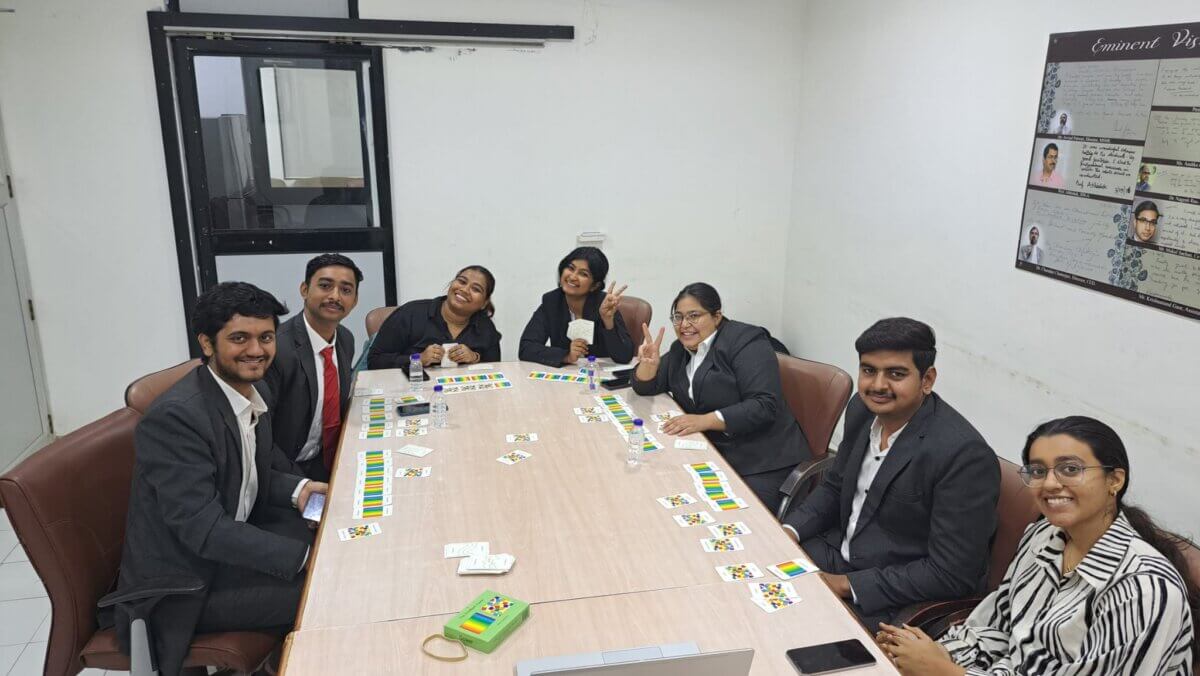
The collaboration started in February 2025 with a project on location by PUM expert Pieter van Essen. He explored how Project-Based Learning (PBL) could become a core element of the MBA curriculum and how academic content could be better aligned with practical business challenges.
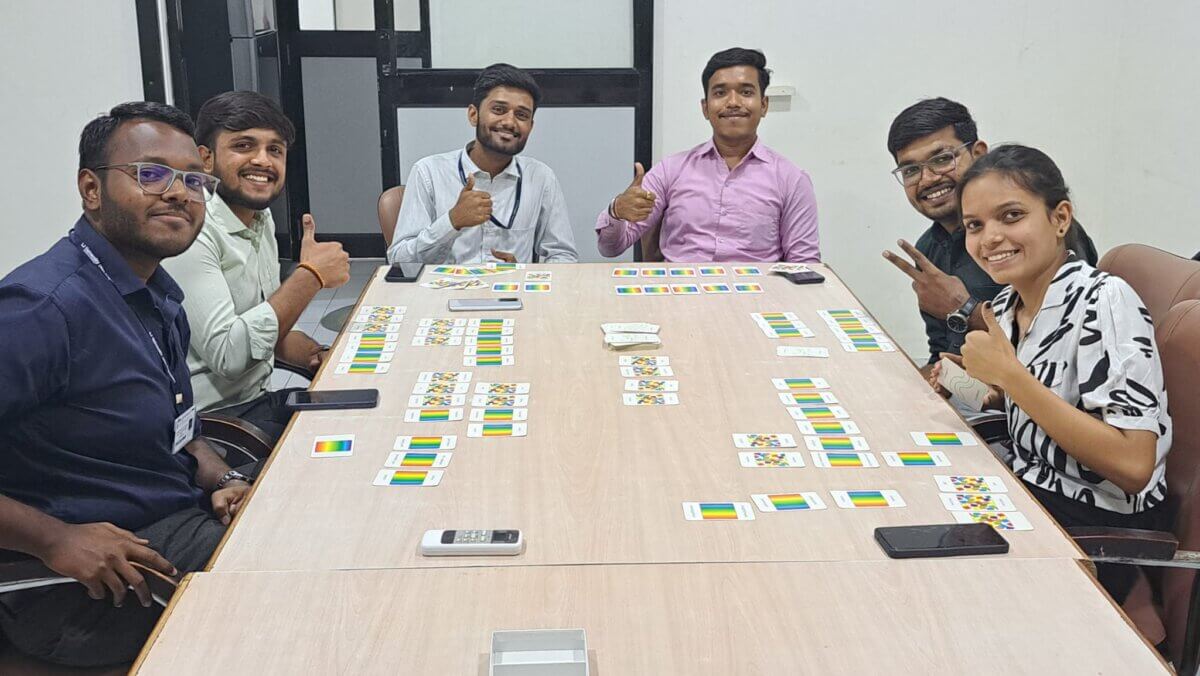
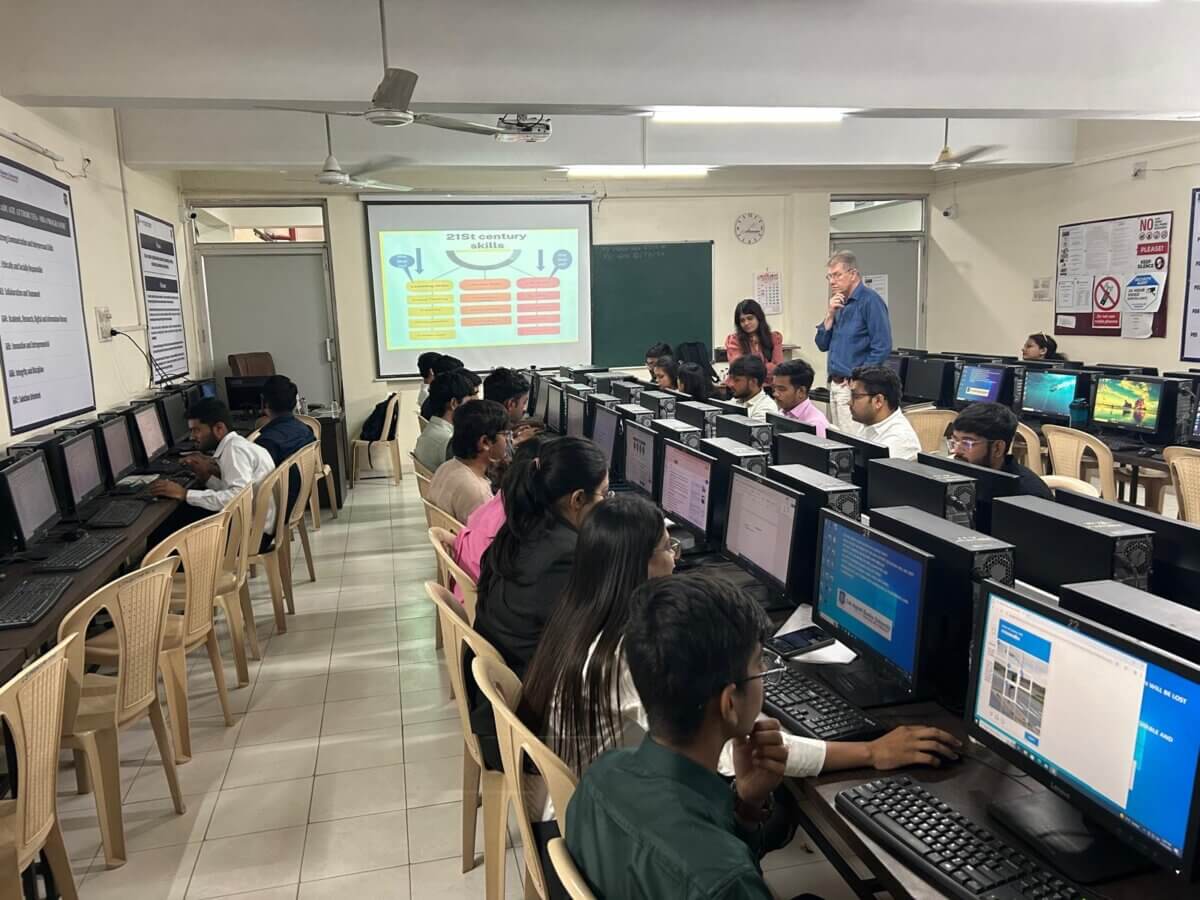
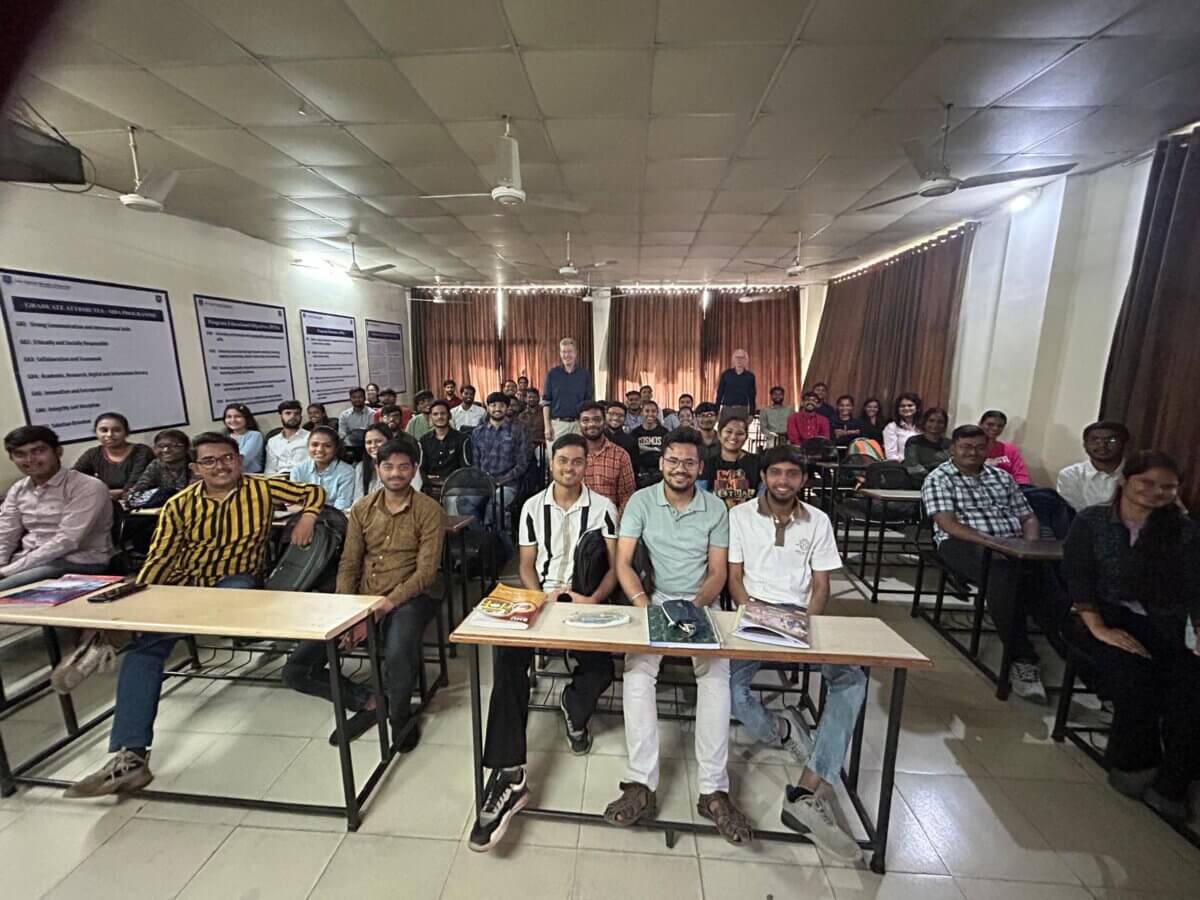
This was followed by online train-the-trainer sessions later in the year, supporting faculty members in adopting new teaching roles. In November 2025, two further projects took place on location. Pieter focused on strategic curriculum alignment, while PUM expert Wim Rietberg worked closely with students on personal leadership, teamwork and 21st-century skills.
The experts engaged with professors, students, staff and representatives from the professional field. They observed classes, participated in hackathons and joined international management projects. Workshops, including sessions based on Covey’s Seven Habits of Highly Effective People, supported reflection and personal development.
Lasting impact beyond the classroom
The collaboration resulted in a clear direction: a fully integrated Problem-Based Learning approach provides a strong foundation for the MBA programme. Students work on real-life projects, take ownership of their learning and develop practical and collaborative skills. Teachers increasingly act as coaches, guiding reflection rather than only delivering content.
Concrete outcomes include revised teaching methods, clearer assessment structures, frameworks for embedding soft skills and 21st-century skills, a student buddy system and a well-defined student journey. The role of the Sustainable Development Goals was also more clearly positioned within the curriculum.
While the project does not immediately lead to growth in student numbers or staff, its impact is substantial. Graduates are better prepared for the labour market, faculty strengthen their educational approach, and employers benefit from more practice-ready young professionals.
A solid foundation
LJKU has committed to implementing the recommendations and continuing this development. The collaboration has laid a solid foundation for an MBA programme that is more relevant, more engaging and more closely connected to real-world practice.

Interested in this project? Get in touch with
Jolly Joseph Kochupurackal
Representative India, Ahmedabad
Similar projects