





Collaborate with PUM
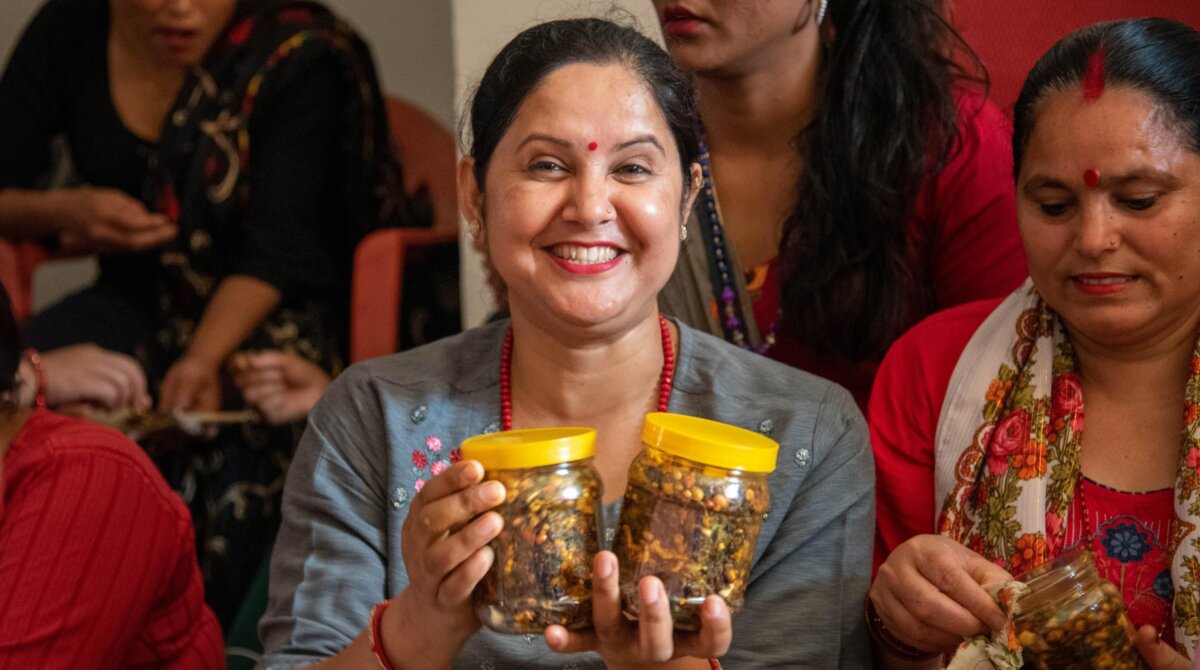
Are you looking to strengthen and grow your business sustainably and build a brighter future for your community? Are you an organisation that supports SMEs and do you want to collaborate with PUM? Register as PUM client and send us your application.
Criteria and how it works
PUM works with small and medium-sized enterprises (SMEs) as well as entities that support them. For both SMEs and business support organisations, it’s important to ensure that you meet our criteria.
Do you meet the criteria? Apply for advice and start your journey with PUM!
Criteria for SMEs
You can apply as an SME if:
- Your business is at least 2 years old.
- You have between 10 and 250 full-time employees.
- Your annual revenue is between €10,000 and €5 million euros.
- Your business is privately-owned (more than 50%).
- The owner(s) live in the country where the business operates.
- Your business is not part of a foreign franchise.
- Your business is not part of a foreign holding, or a local holding with a total annual revenue of more than €5 million euros.
- Expertise is not accessible or affordable locally.
Criteria for organisations supporting SMEs
You can apply as an organisation if:
- Your organisation is at least two years old.
- You have between 10 and 250 employees.
- Your annual budget is maximum €5 million euros.
- Your leadership is based in the country where the organisation operates.
- You clearly show how you support SMEs or the private sector.
- Expertise is not accessible or affordable locally.
Additional criteria for incubators:
- Have supported at least 5 start-ups in the past year.
- Have a yearly budget of at least €5,000.
- Be able to support at least 10 SMEs per year.
- Have at least 3 employees.
What we ask of you
When we work together, you agree to:
- Pay for accommodation and local transport for the expert.
- Arrange and pay for a translator if needed.
- Be actively involved during the full project.
- Work in line with basic responsible business standards (no child labour or forced labour; not operating in weapons and ammunition, radioactive materials, gambling and casinos, pornography and prostitution, racist and anti-democratic media).
- Share project information for evaluation and follow-up (data is handled securely according to our privacy policy).
How it works in practice
Once your request for advice has been approved, the collaboration with PUM starts. How does it work from there?
Client intake & needs assessment
We first ask you to submit a short form about your company or organisation describing your specific request. You will hear from PUM regarding your application and, if you fit our criteria, be asked for further details to clarify your needs.
Project proposal, matching & agreement
PUM develops a project proposal that is used to match you with the right expert for the job. After you agree to the PUM conditions, project and proposed expert, you will be put into contact with the expert directly.
Project preparation
Together, you and the expert draft a work plan where you agree on your objectives and how you will tackle them. If the project is on location, you also agree on the expert’s visit date PUM takes care of the expert’s travel expenses, including airplane tickets, insurance and visa costs. However, we request clients to cover accommodation, meals, translator fees (if needed), and local transportation.
Project execution
The expert will spend the first day(s) of the project getting to know your organisation, market, bottlenecks and dilemmas. You might identify opportunities to not only make your business more profitable but also more sustainable, safe, and efficient. You will also explore possibilities to create a lasting positive impact on your ecosystem and community.
At the end of the project, you will receive a report from the expert with advice and possible recommendations for implementation. The expert will be available for remote consultation and feedback.
Debriefing and follow-up
To round off the project, you are invited to a debriefing meeting with the expert and PUM staff and asked to complete a short evaluation survey. One and two years later, we will follow up with an impact survey to hear your updates and ask about changes made.