



- Programmes
- Animal Husbandry
Animal Husbandry
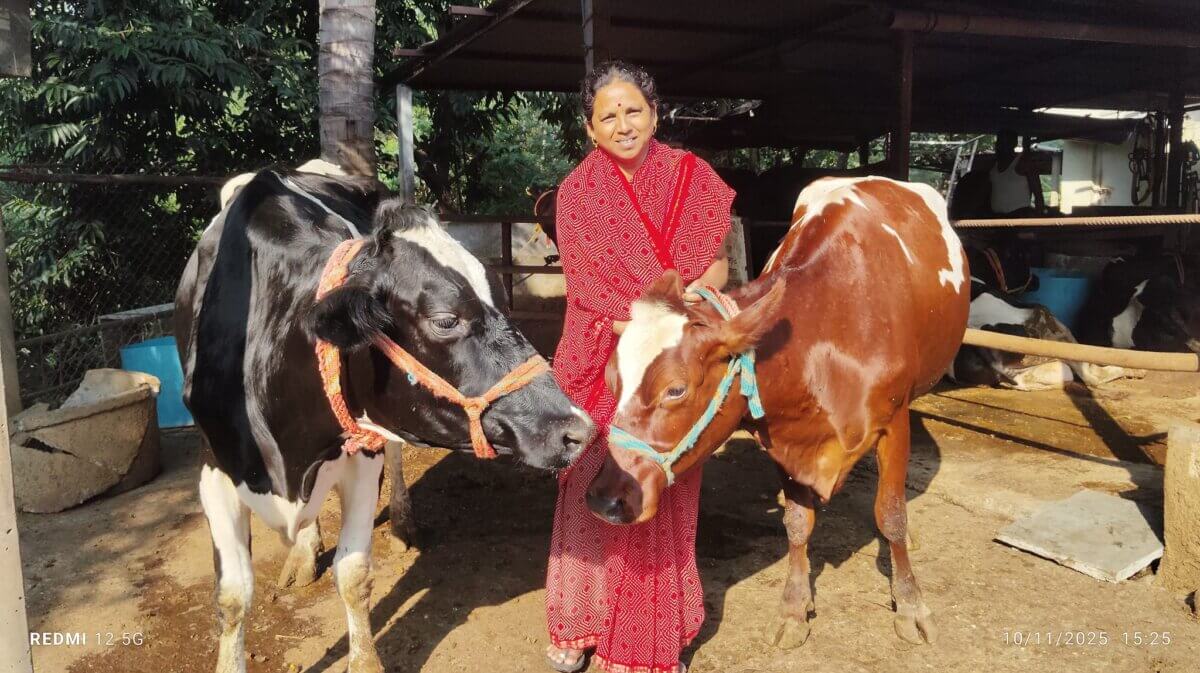
Animal husbandry plays a vital role in food security, sustainable food systems and income generation worldwide. Livestock provides nutritious food, creates economic opportunities and strengthens the resilience of rural communities. PUM collaborates with farmers, SMEs and supporting organisations to improve animal welfare, productivity, and feed and food safety. By strengthening animal protein value chains, the programme contributes to lasting economic, social and environmental impact.
The Animal Husbandry programme strengthens a sustainable livestock sector that contributes to food security and responsible use of natural resources. PUM collaborates with small-scale farmers, cooperatives and training organisations in diverse and often challenging environments. By promoting climate-resilient farming practices and strengthening ecosystems and value chains, the programme contributes to durable business development and long-term impact.
Ruminants – dairy, beef, sheep & goats
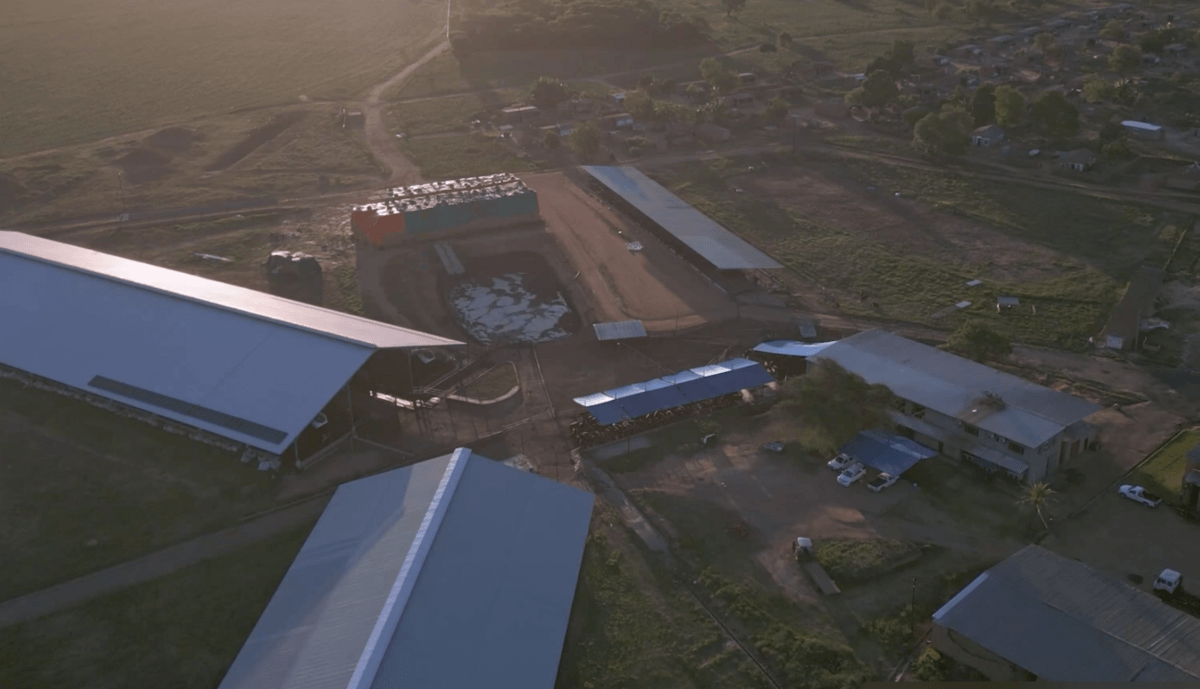
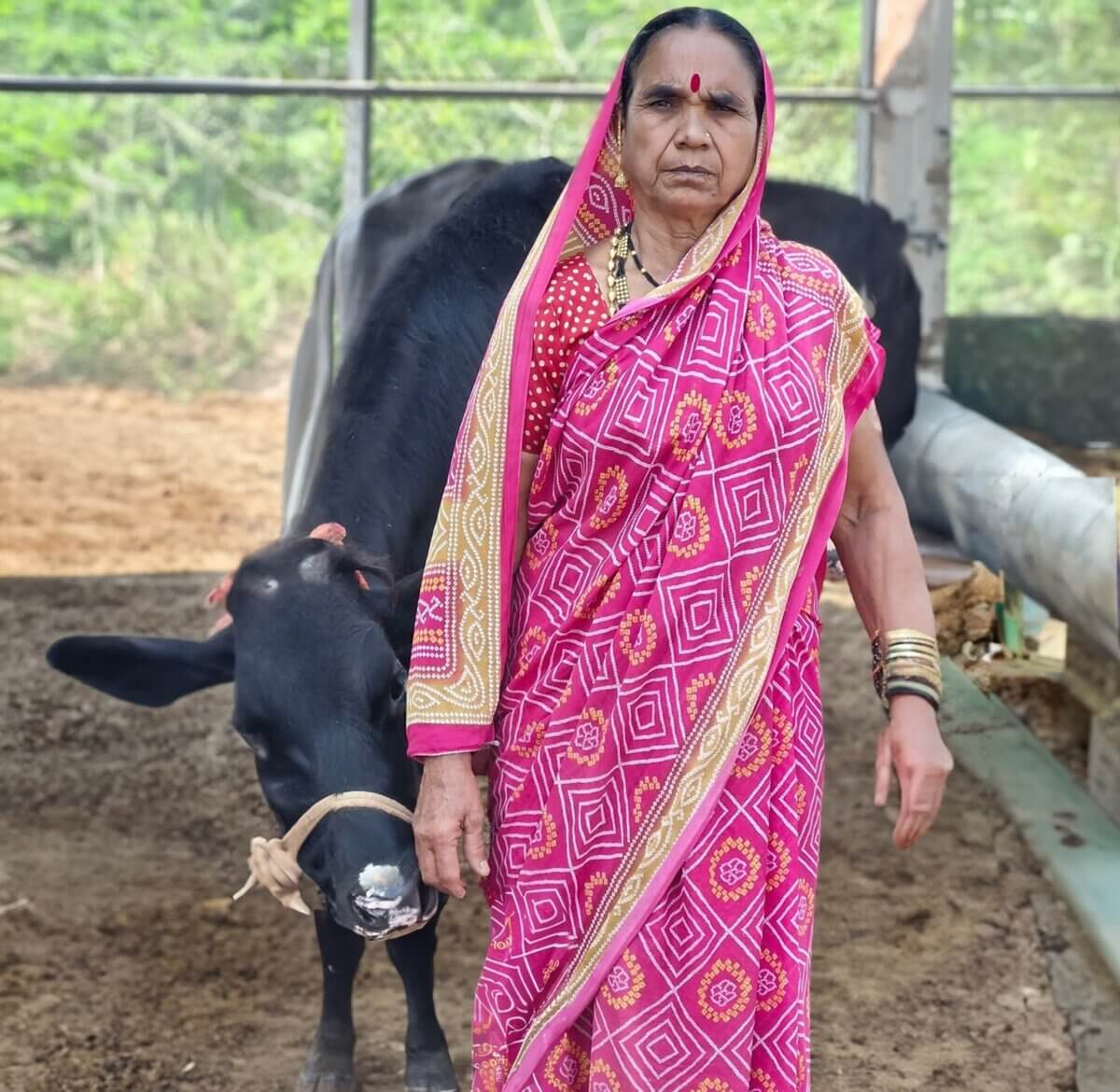
Ruminant livestock plays an essential role in food production, income generation and land use across many regions. PUM experts bring practical experience in dairy and beef cattle, sheep and goat production, drawing on knowledge from the Dutch livestock sector. Experts collaborate with farmers, cooperatives and extension services to strengthen farm management, feeding strategies, reproduction and animal health. Attention is given to efficient use of local feed resources, herd management, and improved milk and meat production.
The programme promotes approaches that combine productivity, animal welfare and environmental sustainability. Collaboration with veterinarians, educational institutions and cooperatives also strengthens knowledge transfer and value chains.
Animal feed – safe and balanced nutrition
High-quality feed is the foundation of productive and healthy livestock systems. PUM experts collaborate with feed millers and agribusinesses to improve feed formulation, production processes, quality control and feed safety. Attention is given to efficient use of local raw materials, mill management, specialised equipment and laboratory procedures. By improving feed quality and efficiency, businesses can strengthen livestock performance, reduce losses and contribute to more sustainable value chains.
Poultry , fish & pigs – responsible protein production
Poultry farming, aquaculture and pig production are important sources of affordable animal protein and economic opportunities for farmers and SMEs. PUM experts collaborate with entrepreneurs to improve farm management, breeding, housing systems, biosecurity and animal health. Across these three fields, attention is given to productivity, animal welfare, disease prevention and environmental sustainability. Experts also advise on processing, quality management and efficient use of resources.
Knowledge transfer is an important element throughout the programme. Through training activities, group learning and collaboration with educational institutions, PUM contributes to the development of local expertise and a resilient livestock value chain. This integrated approach supports SMEs in building competitive and sustainable businesses within growing animal protein markets.
Strengthening business foundations
The programme also includes experts with extensive experience in general strategy and business planning areas. They collaborate with entrepreneurs and organisations to strengthen management, marketing, finance and operations. By combining technical expertise with general business support, PUM contributes to sustainable growth and resilient organisations.
Projects in Animal Husbandry