



- Projects
- Better milk, stronger livelihoods in Peru
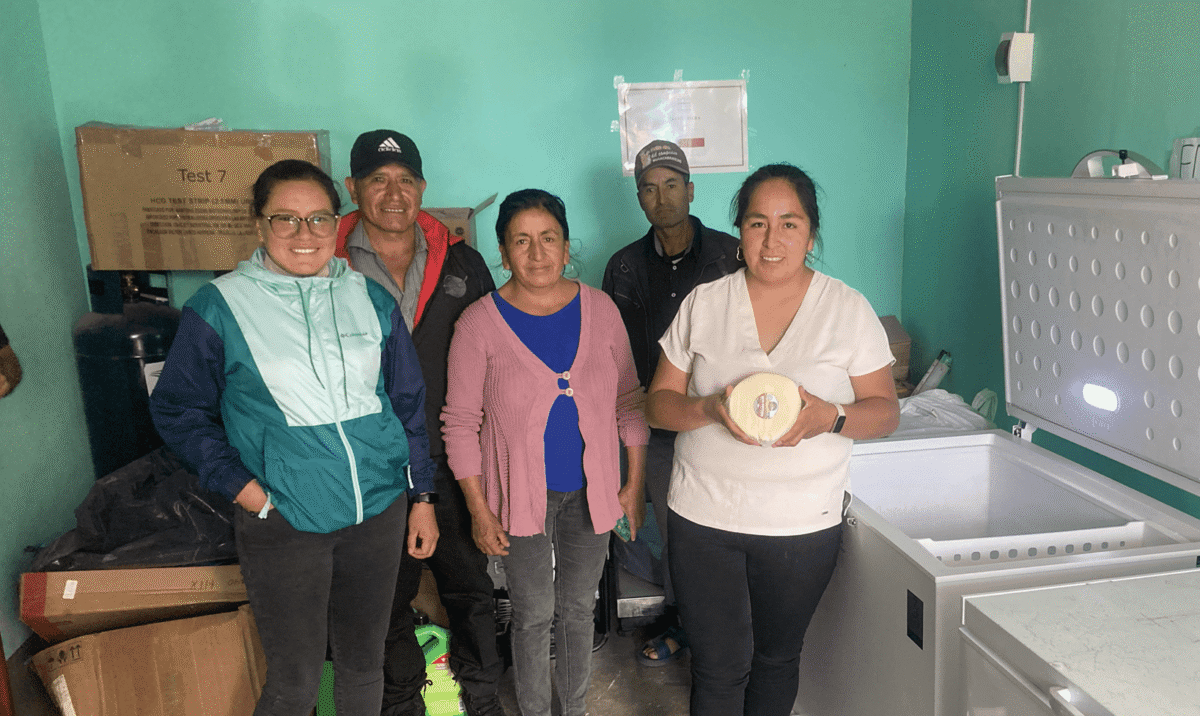
The highlands around Huancabamba, Piura, in northern Peru have long provided ideal conditions for dairy farming. Small family farms produce fresh milk that supports local livelihoods and supplies nearby communities. As demand for higher-quality dairy products continues to grow, the region also offers new opportunities to create more value from milk. Together with PUM expert Marc Martens, the Asociación de Ganaderos de la Provincia de Huancabamba is laying the foundations for a stronger and more sustainable dairy sector.
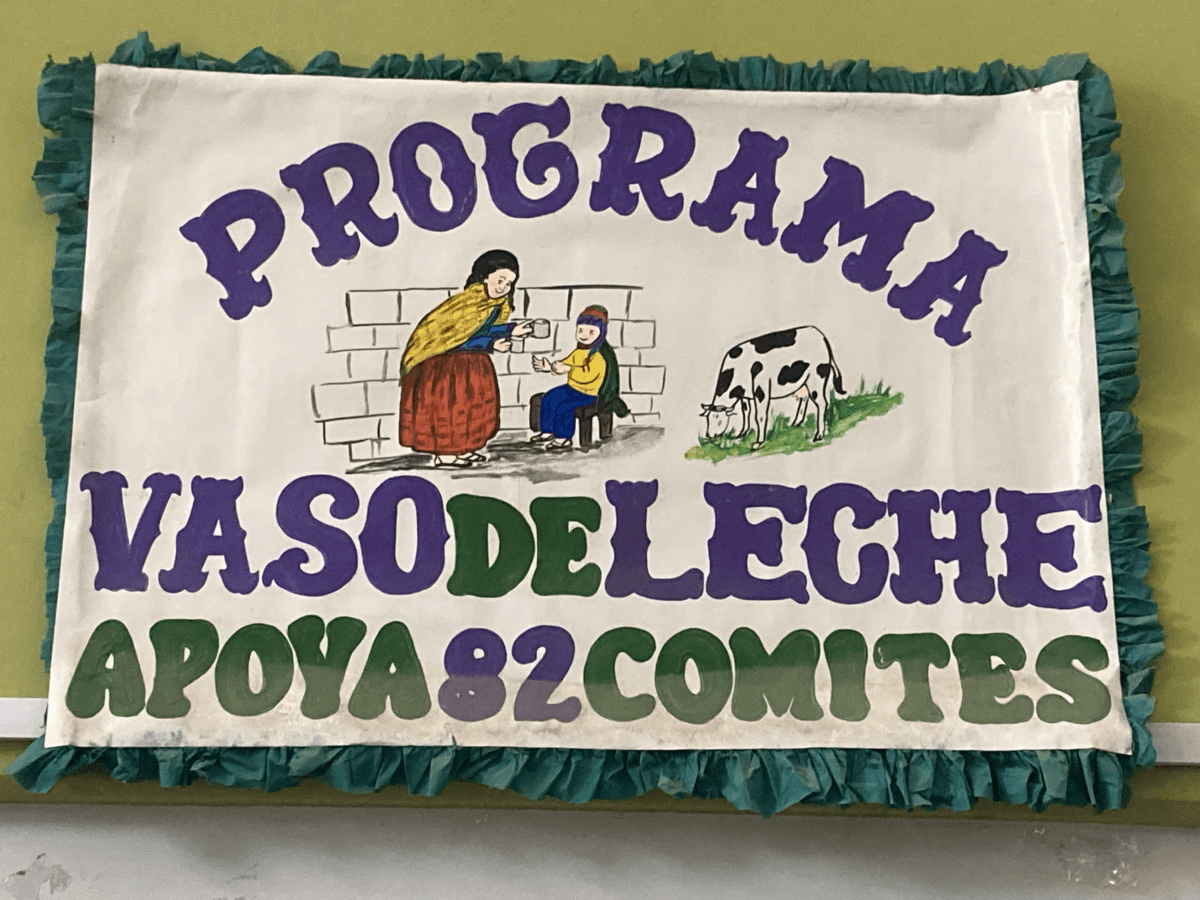
Founded in 2001, the Association of Cattle Farmers of Huancabamba Province represents around 150 small farms. One of the main customers of the association is the municipality: around 36 dairy farming families supply their milk to the Vaso de Leche programme in the village, which provides milk to schoolchildren from low-income families. For this project with PUM, the cooperation joined forces with the neighbouring cattle farmers’ associations of Sapalache and Sondor. While the region benefits from fertile mountain pastures and a strong dairy tradition, most farmers keep small herds and sell fresh milk to the local market.
Improving every step of the dairy
chain
The associations contacted PUM to prepare for the future by increasing milk production, improving quality and developing new dairy products for additional markets.
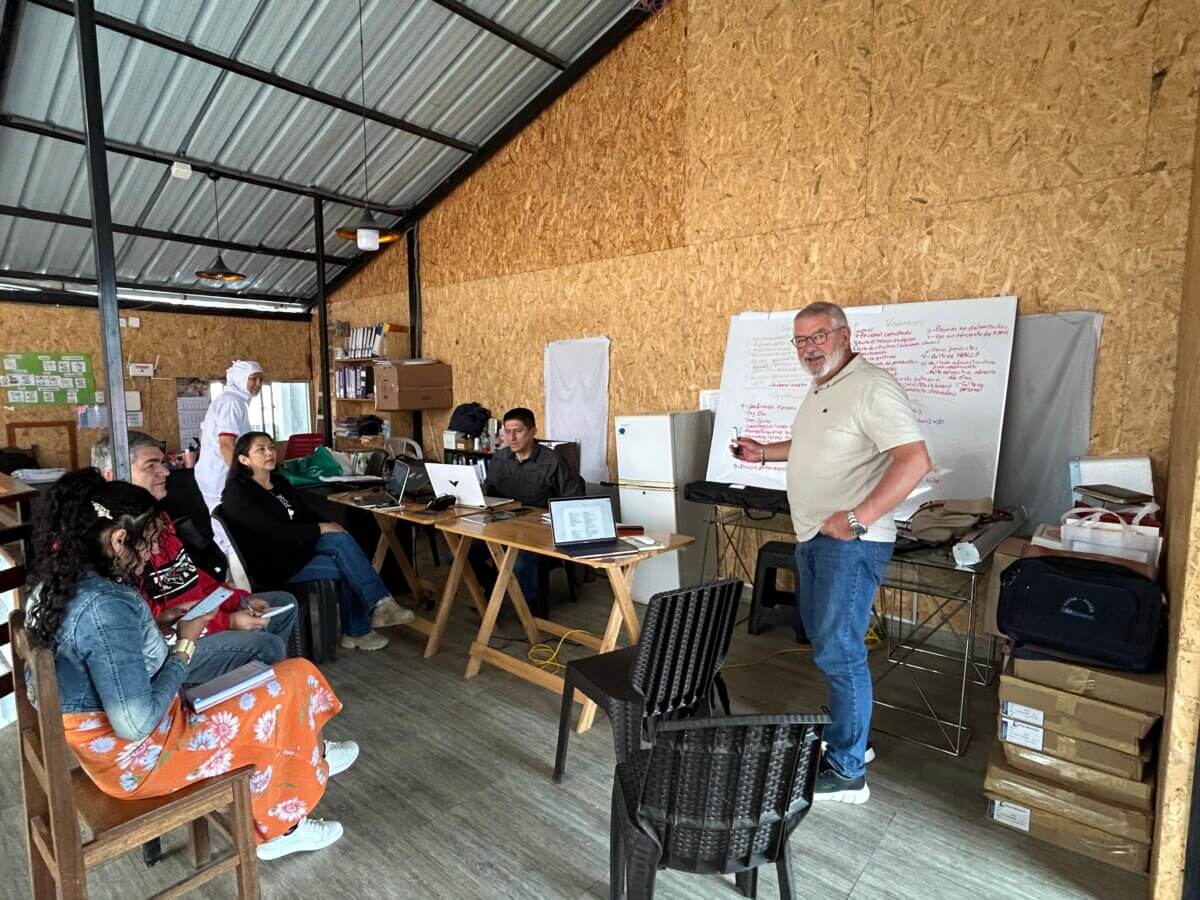
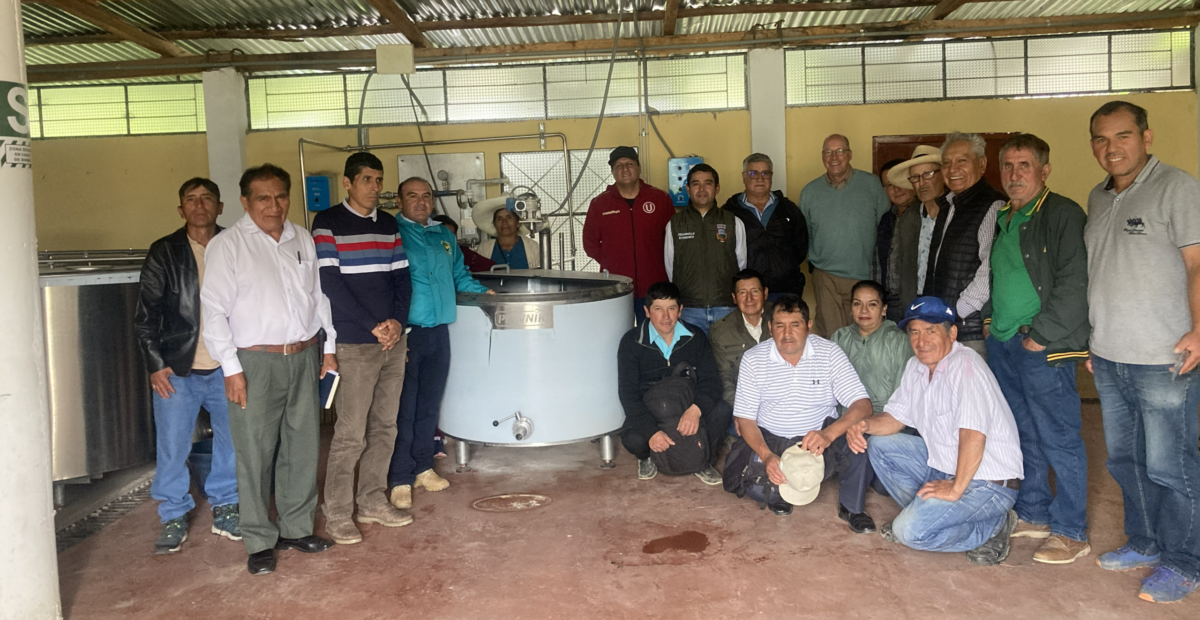
During the project on location, Marc travelled throughout the region to visit farms, meet farmers and technicians, and gain a clear understanding of the current situation. Rather than concentrating on one specific challenge, he looked at every stage of the dairy chain. Marc explains: “The region has excellent natural conditions for dairy farming. By combining those strengths with practical improvements in feeding, animal health and milk processing, there is great potential to increase both productivity and the value farmers can create from their milk.”
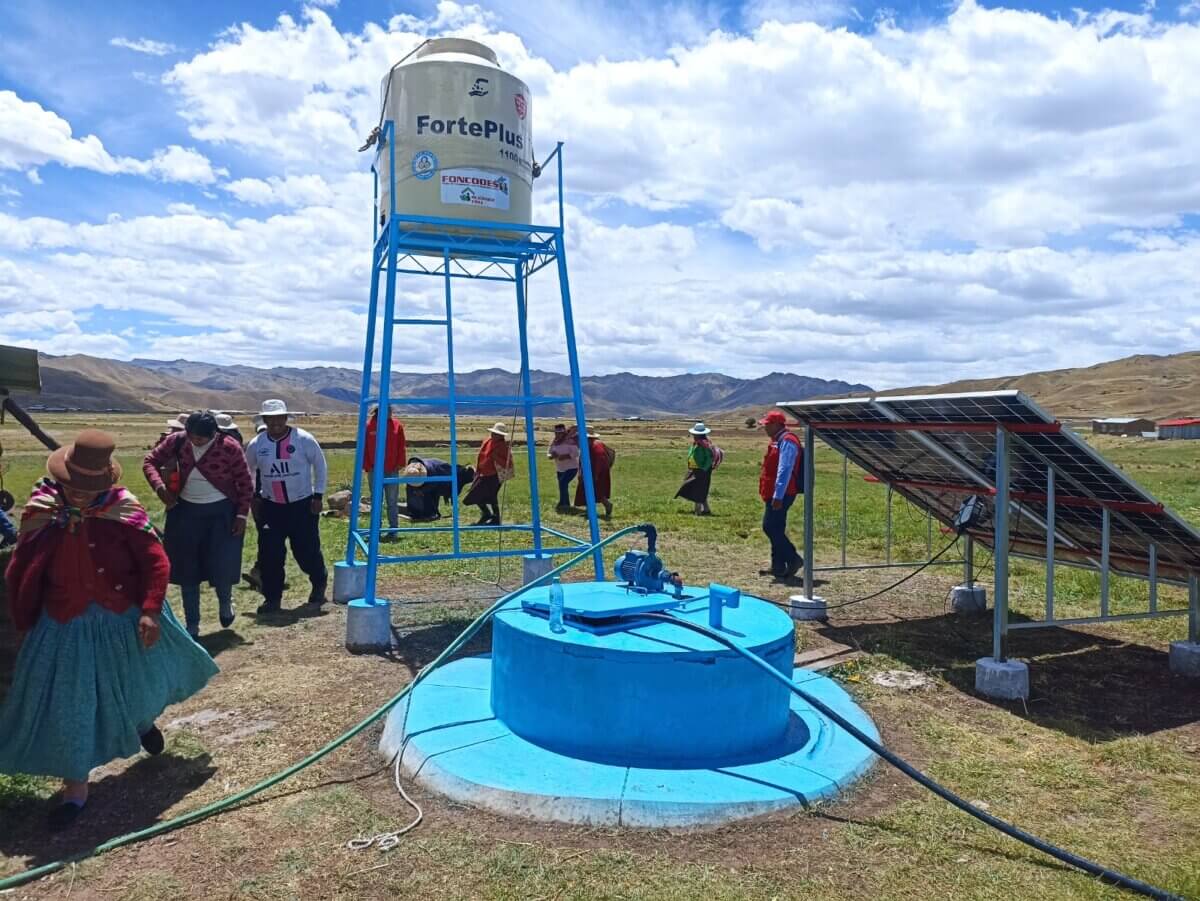
The advice focused on improving pasture management, animal nutrition, herd health, genetics and water management. Using specialised software, feed rations were calculated based on locally available forage crops, enabling farmers to make better use of their existing resources.
Preventive animal health was another important topic. Practical recommendations covered udder health, parasite control and milking hygiene.
The project also considered sustainability alongside productivity. Recommendations included reducing the use of pesticides and antibiotics where possible, making better use of local forage crops and introducing native tree species to protect the fragile mountain ecosystem.
Looking beyond more milk
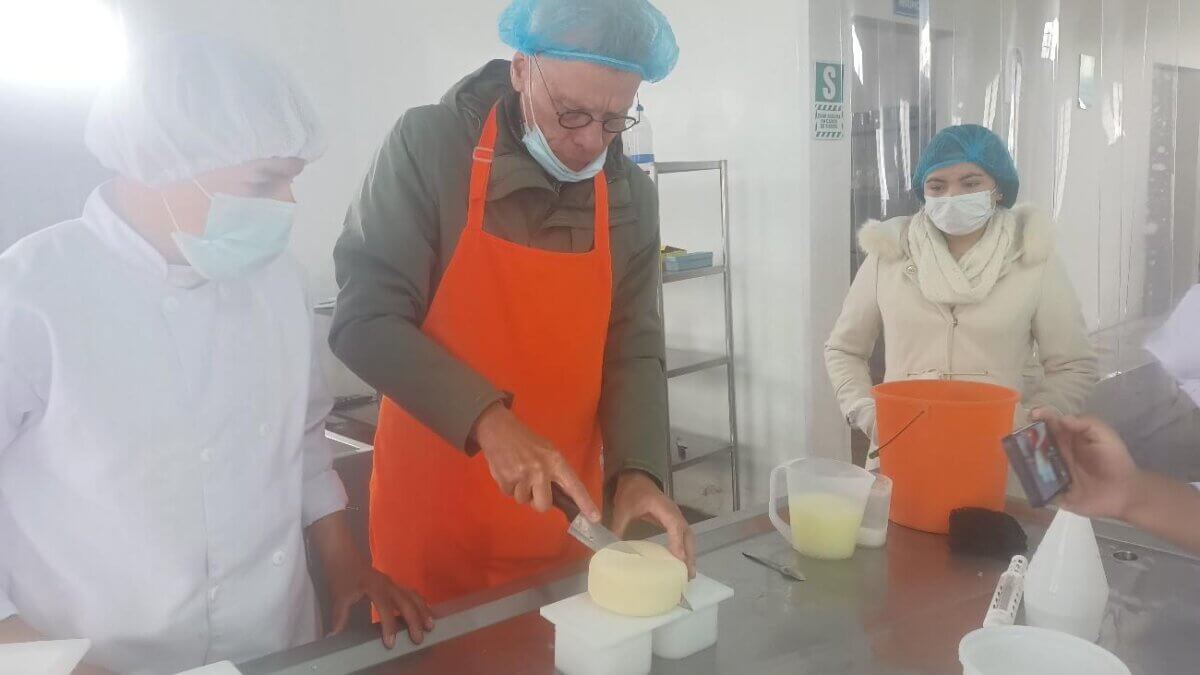
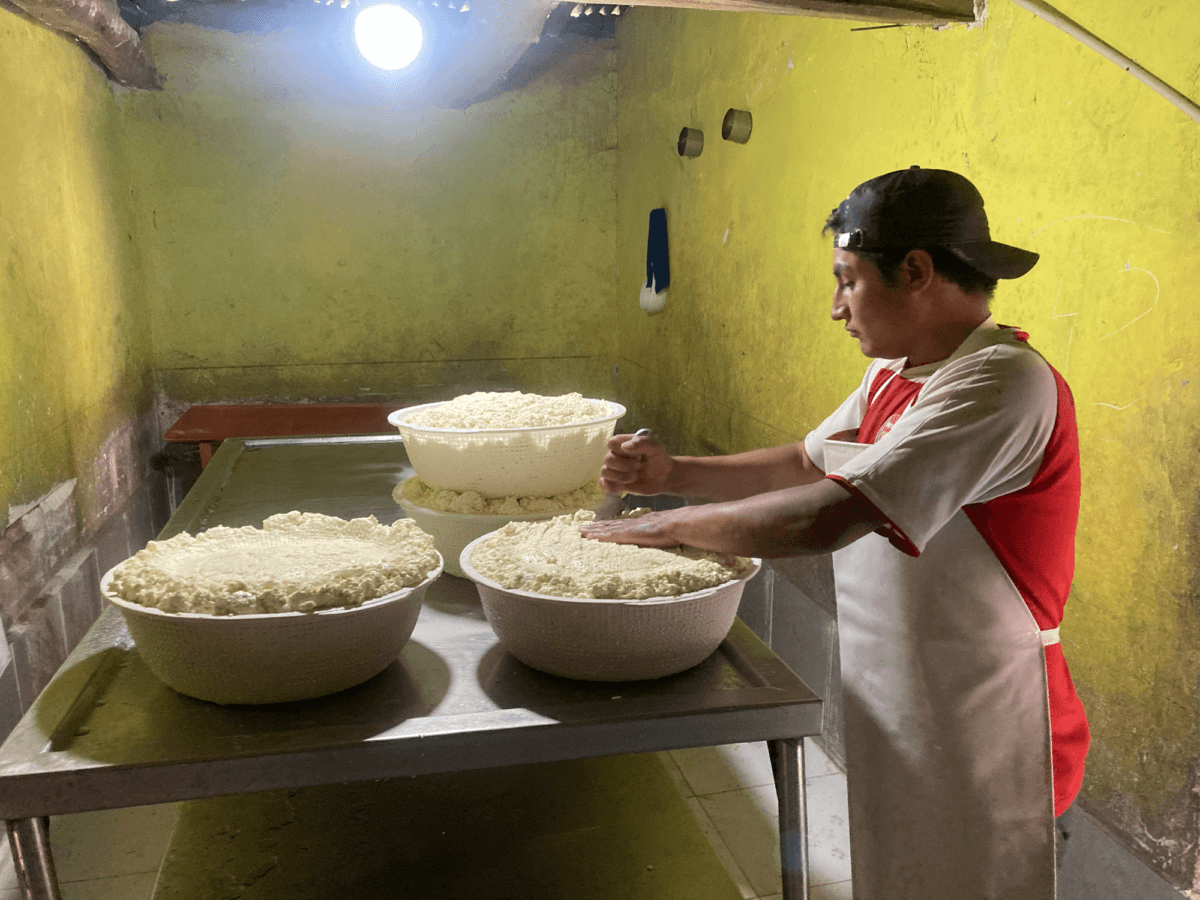
The ambition goes beyond increasing milk production. By processing milk into products such as pasteurised milk, yoghurt and different types of cheese, the associations aim to create more value from their production. Combined with improved quality control, packaging and the development of their own brand, this could strengthen their existing market while creating new opportunities in shops, restaurants and regional markets.
At the same time, strengthening the organisation itself remains essential. Better cooperation between the three associations, stronger governance and improved decision-making will enable members to respond more effectively to changing market demands and build a more resilient organisation.

Interested in this project? Get in touch with
Anne Villanueva
Representative Peru, Piura
Similar projects