



- Projects
- From trainers to farmers: better agricultural practices in Bangladesh
From trainers to farmers: better agricultural practices in Bangladesh
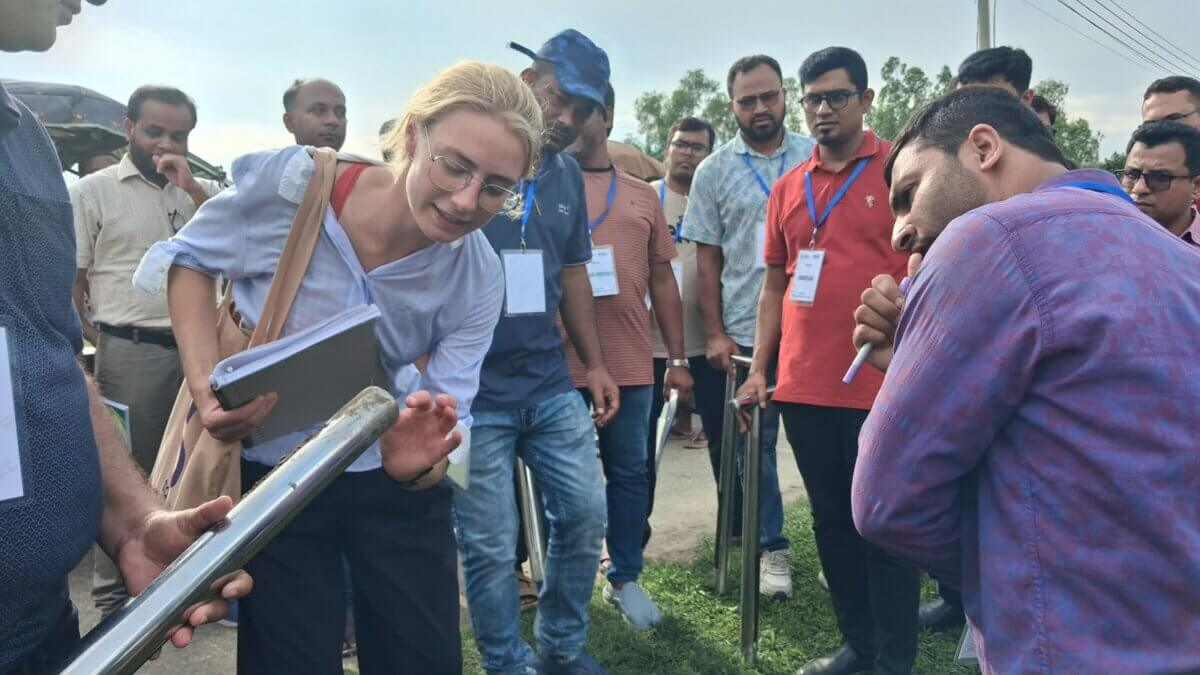
BATI, an Agricultural Technology Institute in Bangladesh, trains farmers and agricultural professionals. The young institute wants to expand its training on Good Agricultural Practices, contributing to safer food and more sustainable farming. Together with PUM expert Tomba Paagman, 30 agricultural professionals explored how better understanding their farming systems can lead to better choices in the field.
BATI, the Agricultural Technology Institute operating within the wider BRAC ecosystem, provides agricultural education and practical training in Sherpur, Bogura. Established in 2023 and operational since 2024, it offers diploma education, short courses for agricultural professionals and training for farmers, service providers and technical assistants. BATI aims to prepare people working in agriculture to solve practical challenges in the field. This includes using soil and water efficiently, reducing losses after harvest and improving food safety and product quality.
Good Agricultural Practices (GAP) play an important role in this. These are principles and standards for producing food in a safe and responsible way. BATI aims to train around 200,000 farmers in GAP over the next three years. To achieve this, the institute first wants to strengthen the knowledge and skills of its own trainers and other agricultural professionals.
Training 30 agricultural professionals
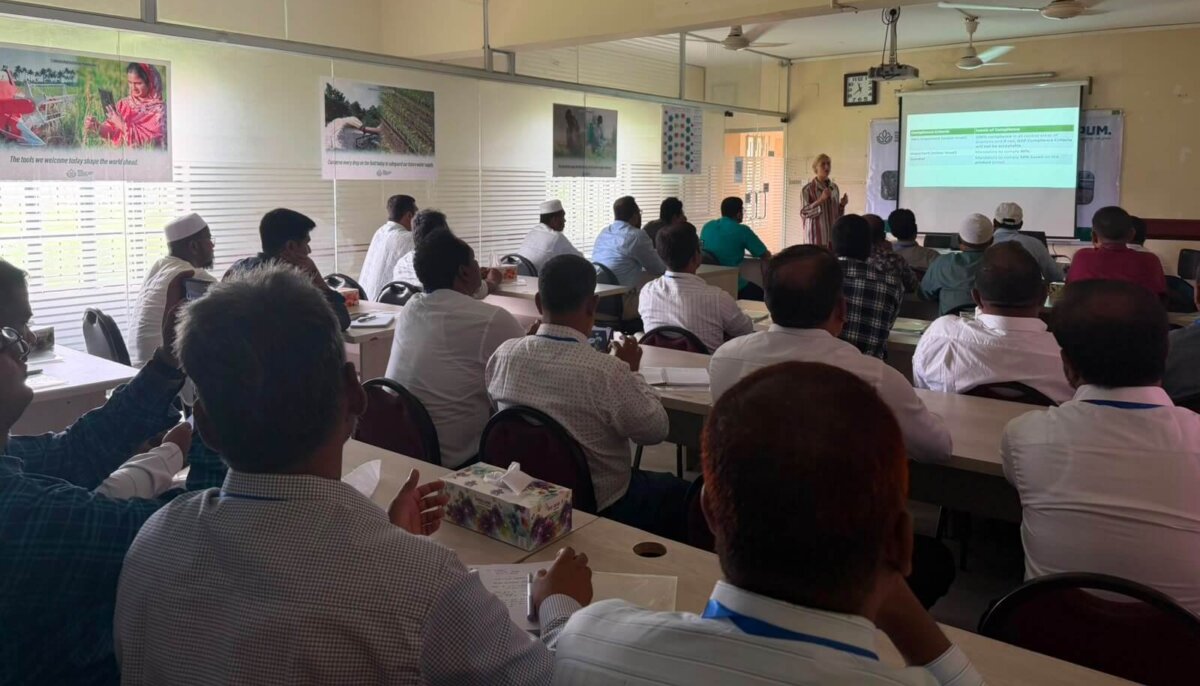
PUM expert Tomba Paagman developed and delivered a five-day Training of Trainers. The 30 participants came with different backgrounds, including research, production, sales, marketing and product development.
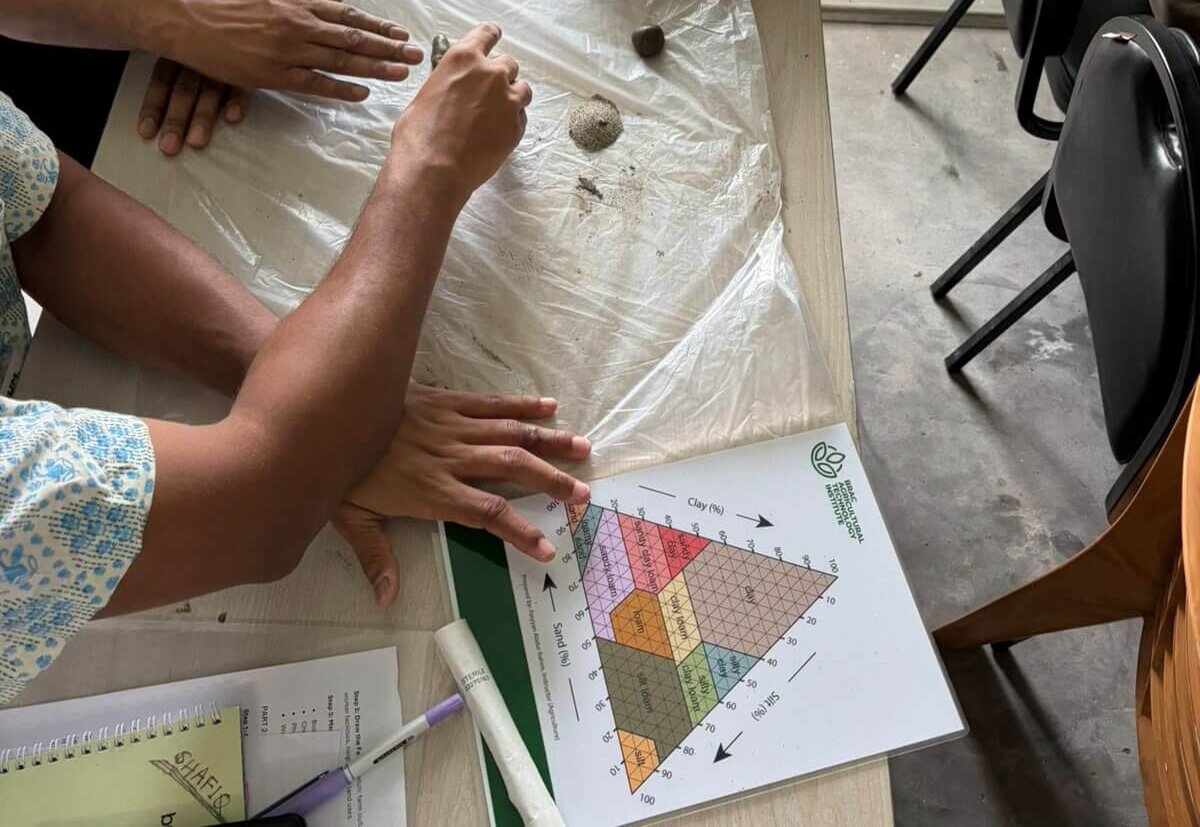
Together, they covered topics including soil and water management, crop protection and Integrated Pest Management (IPM), post-harvest management and food and worker safety. These topics were all connected to GAP principles and requirements with a focus on meeting standards for both the Bangladeshi and international markets. The training combined theory with practical exercises, discussions and group work. Participants already had considerable agricultural expertise, so there was plenty of knowledge to exchange.
One idea connected all the different topics. Tomba explains: “It is about understanding your system. Soil and plants are alive and tell us a lot. By understanding what is happening in the soil, crops and environment, farmers can make better decisions and avoid unnecessary costs.”
Looking beyond a checklist
For Tomba, one of the most important results was a change in how participants viewed GAP. “During the training, participants realised that GAP is not simply about ticking boxes or answering yes or no,” she explains. “It is about making well-considered decisions and understanding why you make them, while taking environmental, social and economic aspects into account.”
The participants can take this approach into their own work and future training. In this way, the knowledge shared during the five days can reach many more people.
Knowledge that travels further
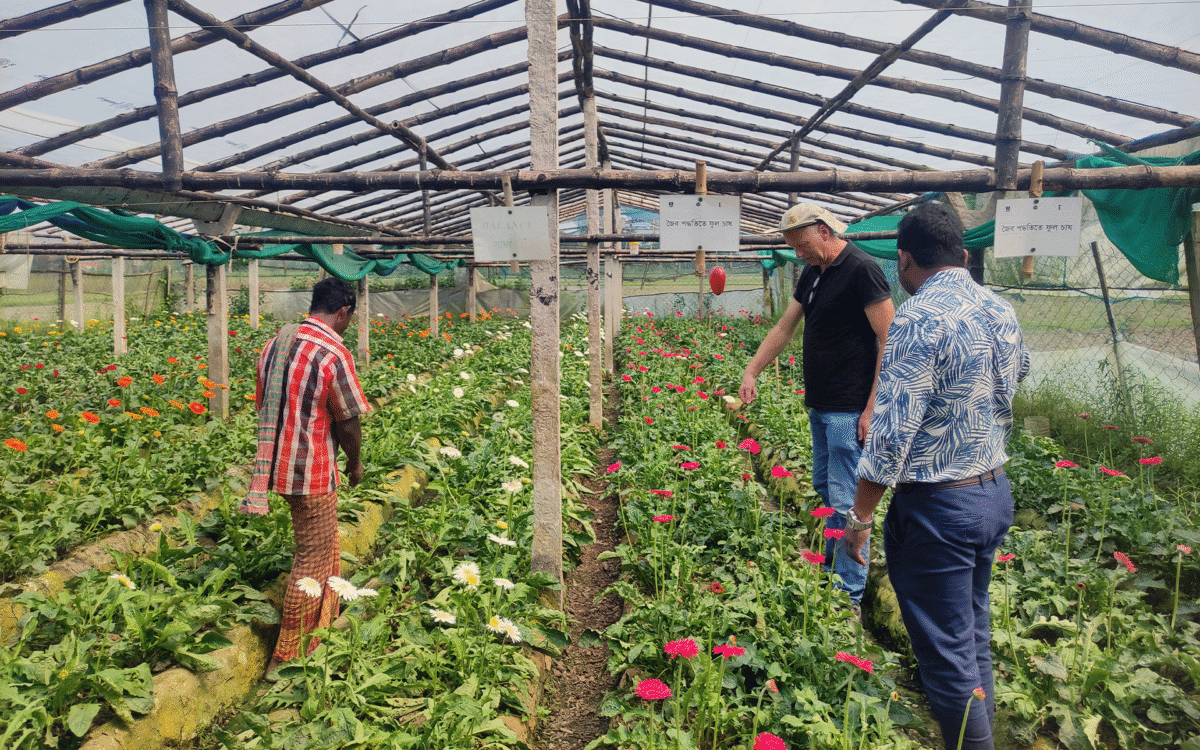
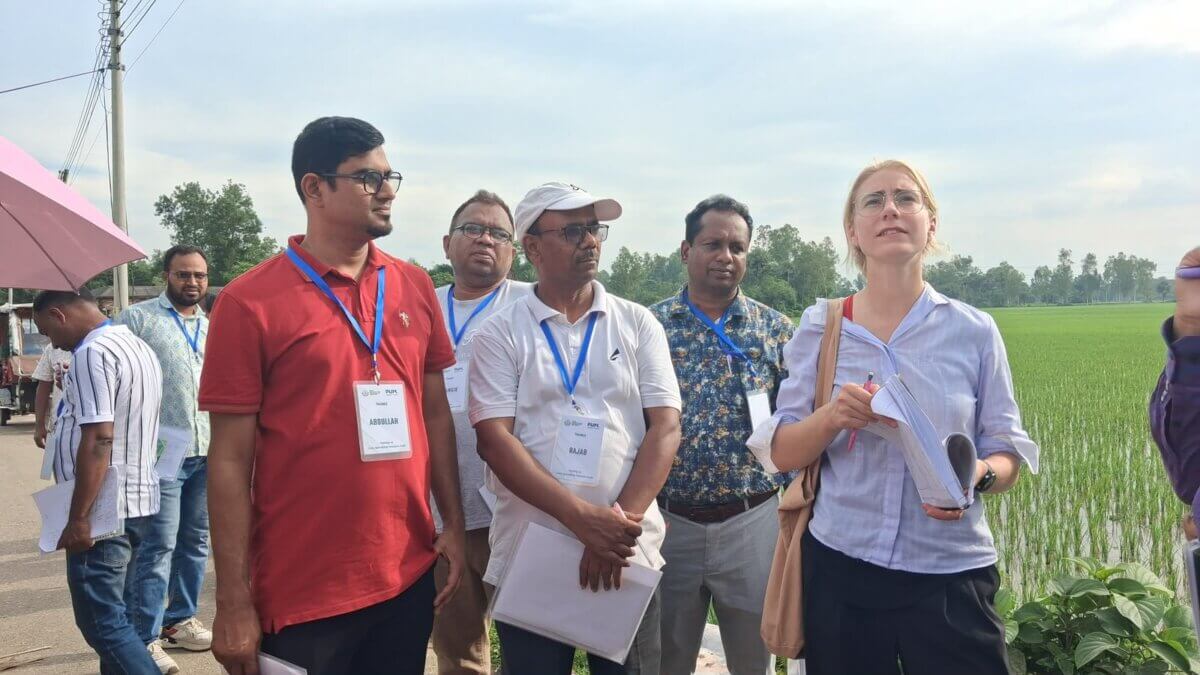
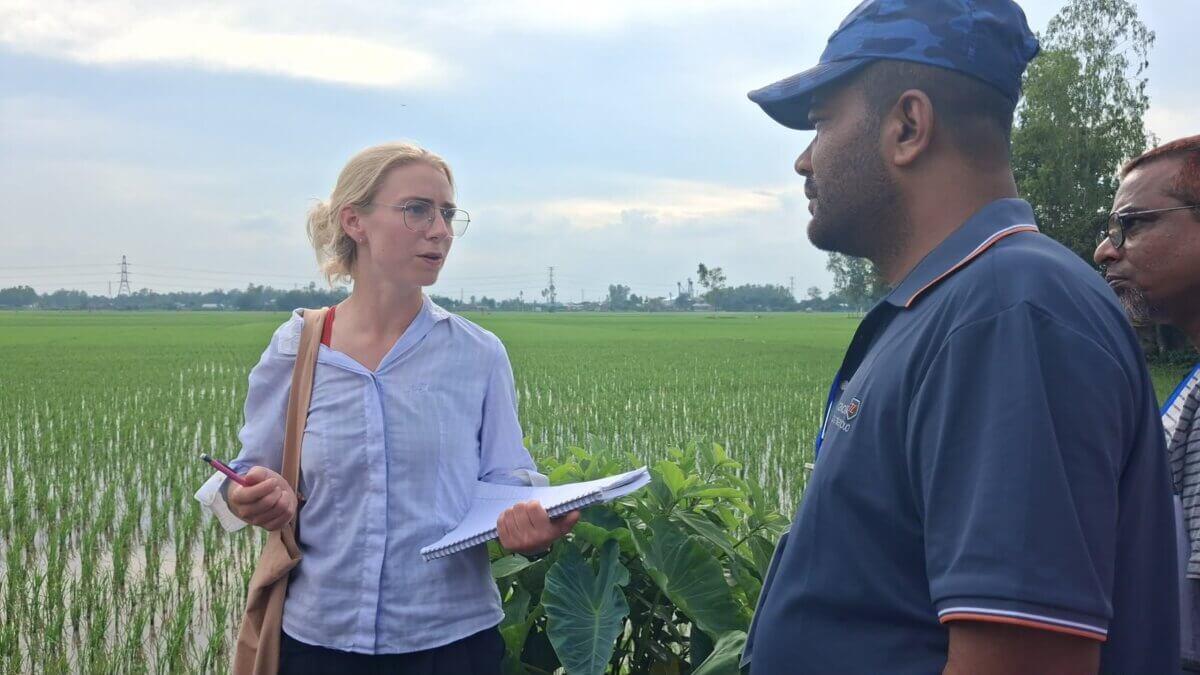
Tomba also sees opportunities to make future training even more practical. Existing demonstration farms and expertise could be used for hands-on learning. Participants could see agricultural practices in the field and discuss how they work under local conditions.
For BATI, this project is one step in a longer journey. Strengthening knowledge of Bangladesh GAP can provide a foundation for working towards international standards such as GLOBALG.A.P. in the future.
And the learning went both ways. Looking back on her first PUM project, Tomba says: “I came to teach, but I left having learned a great deal myself.”

Interested in this project? Get in touch with

Pallob Mazhabuddin
Representative Bangladesh, Dhaka
Similar projects