

- Projects
- Solar drying takes root in Algeria
Solar drying takes root in Algeria
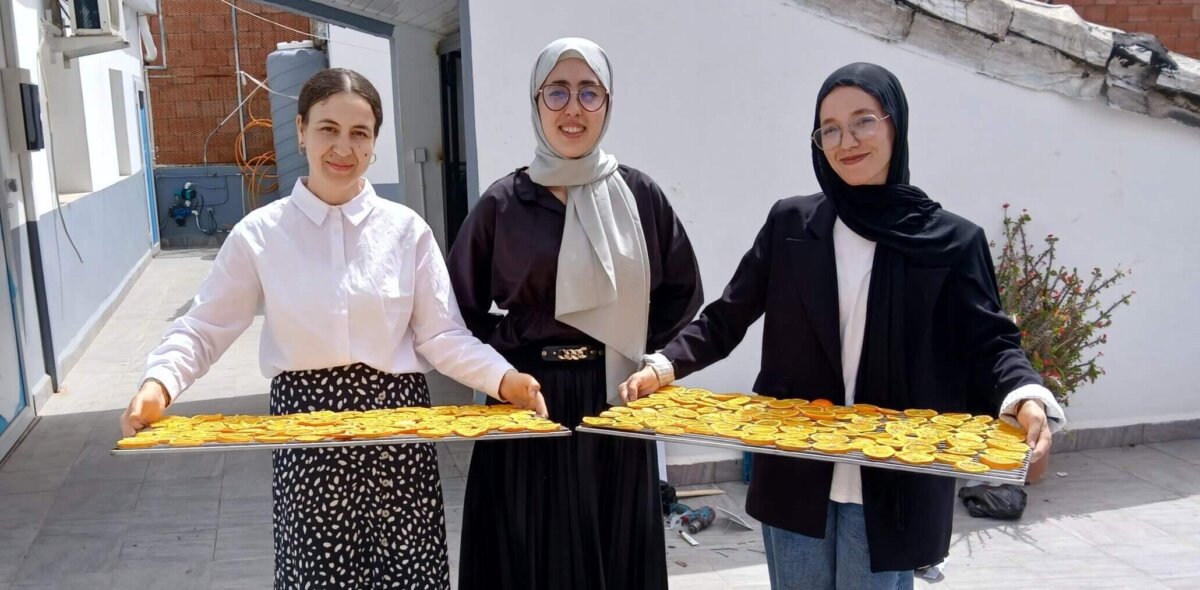
Knowledge only creates lasting value when it is applied, shared and embedded in practice. That is exactly what is happening in Algeria. Through an online collaboration with PUM, Solutech Énergie started developing solar drying solutions. Today, that collaboration has grown into a business ecosystem around food preservation, entrepreneurship and sustainable agriculture.
Algeria has a Mediterranean and desert climate with an abundance of sunshine. From the fertile coastal regions to the edge of the Sahara, the country produces a wide variety of flowers, herbs, vegetables, fruits, dates and figs. Yet during peak harvest, part of this valuable produce is lost before it reaches consumers.
Turning sunshine into opportunities
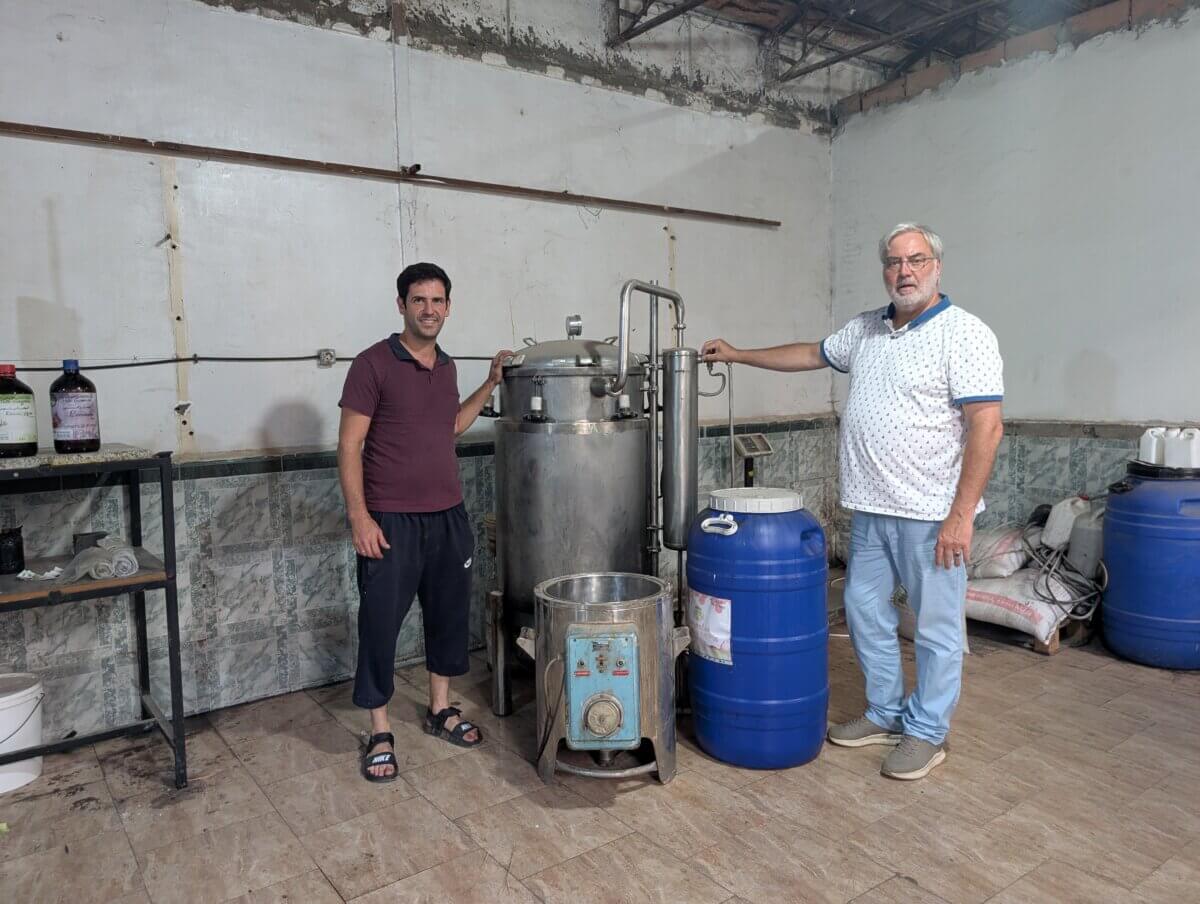
Solutech Énergie, a renewable energy company based in Tizi Ouzou, recognised an opportunity to reduce postharvest losses while creating more value from local produce. Together with PUM experts Theo van der Meer, Erik Säuer, Herman Gels and Marc Vorage, the company started developing practical solar drying solutions.
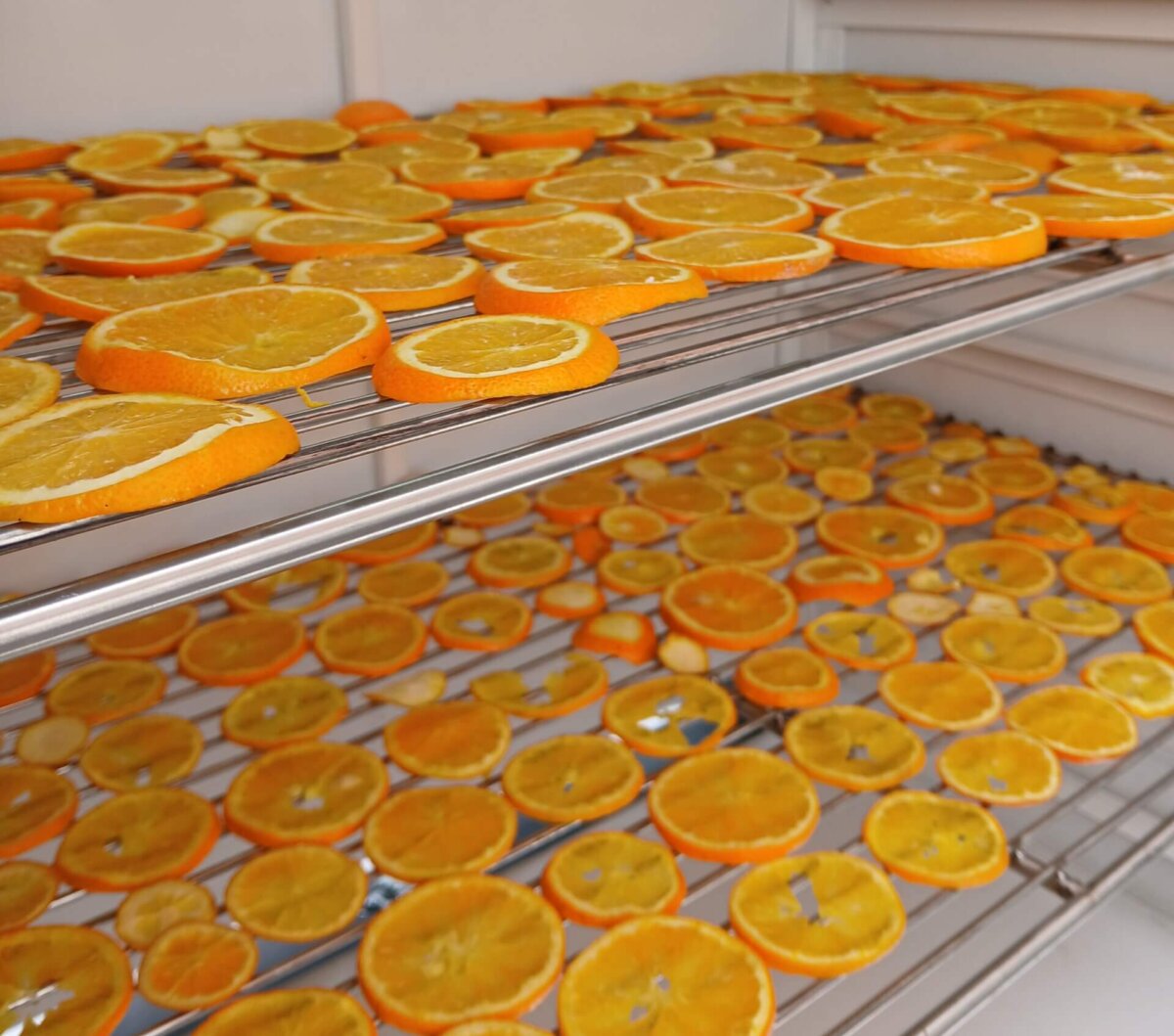
Using the sun as an energy source, fresh products can be dried gently while preserving much of their taste, aroma and nutritional value. This extends their shelf life, reduces food waste and creates new opportunities for farmers and food entrepreneurs.
The collaboration started remotely. Together, the experts and Solutech Énergie developed knowledge on solar drying, food safety, product quality and entrepreneurship. A nine-lesson online training programme introduced around twenty entrepreneurs, food professionals, teachers and other participants to the technology and its business potential.
Growing a business ecosystem
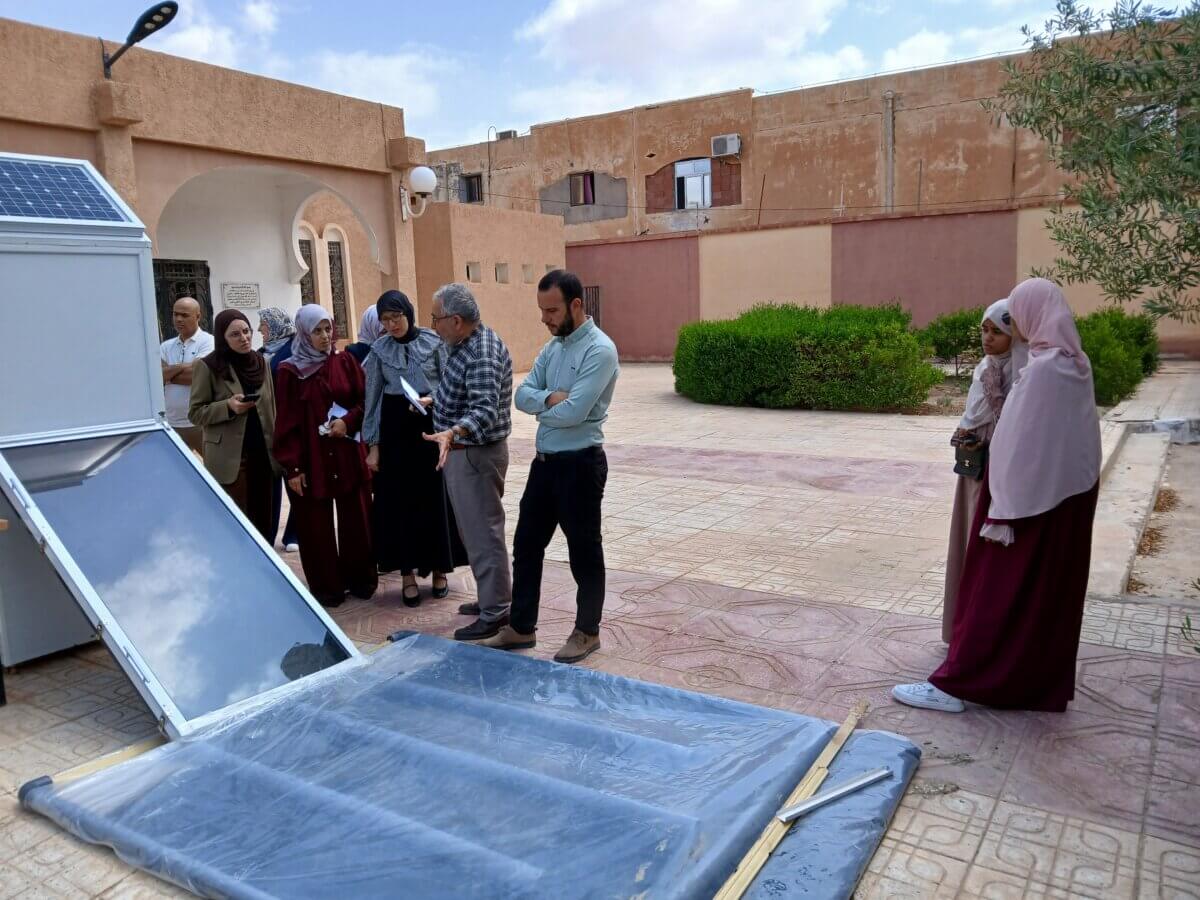
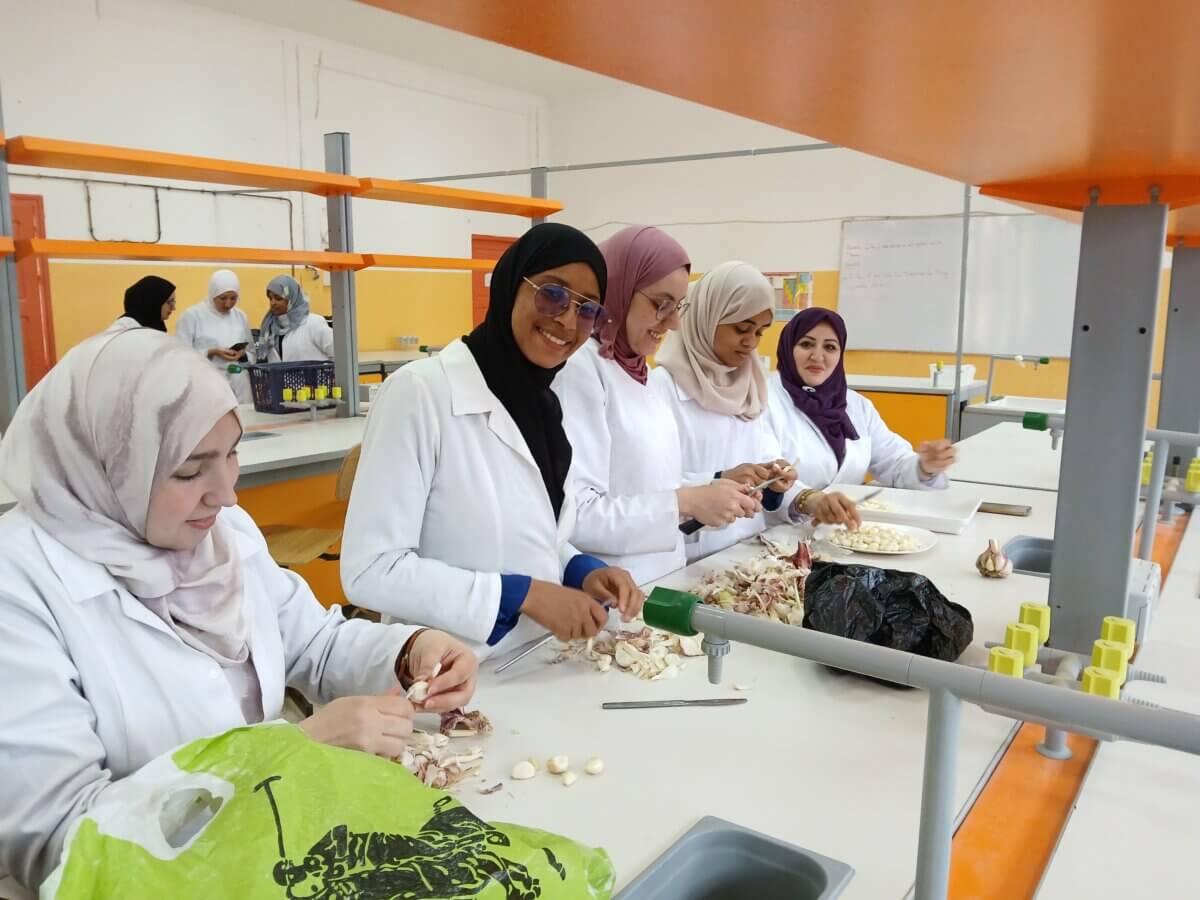
The online collaboration was followed by Marc Vorage’s visit to Algeria, where the focus shifted from transferring knowledge to embedding it locally. Workshops and practical demonstrations connected entrepreneurs, educational institutions, farmers and food professionals. This created the foundation for a growing business ecosystem around solar drying.
As country manager Hafida Fares explains: “What started as a knowledge transfer programme has evolved into something much bigger. The knowledge is no longer limited to a training programme but is becoming part of a growing business ecosystem. Participants are already sharing what they have learned within their organisations, educational institutions and local communities, ensuring that expertise continues to spread beyond the project itself.”
The impact is already becoming visible. New initiatives are emerging to develop affordable solar dryers for rural women and small farmers, creating opportunities to generate additional income while reducing food losses. Small and medium-sized enterprises are exploring new business models based on high-quality dried food products, while local experts are taking the lead in further developing solar drying technology for Algerian conditions.
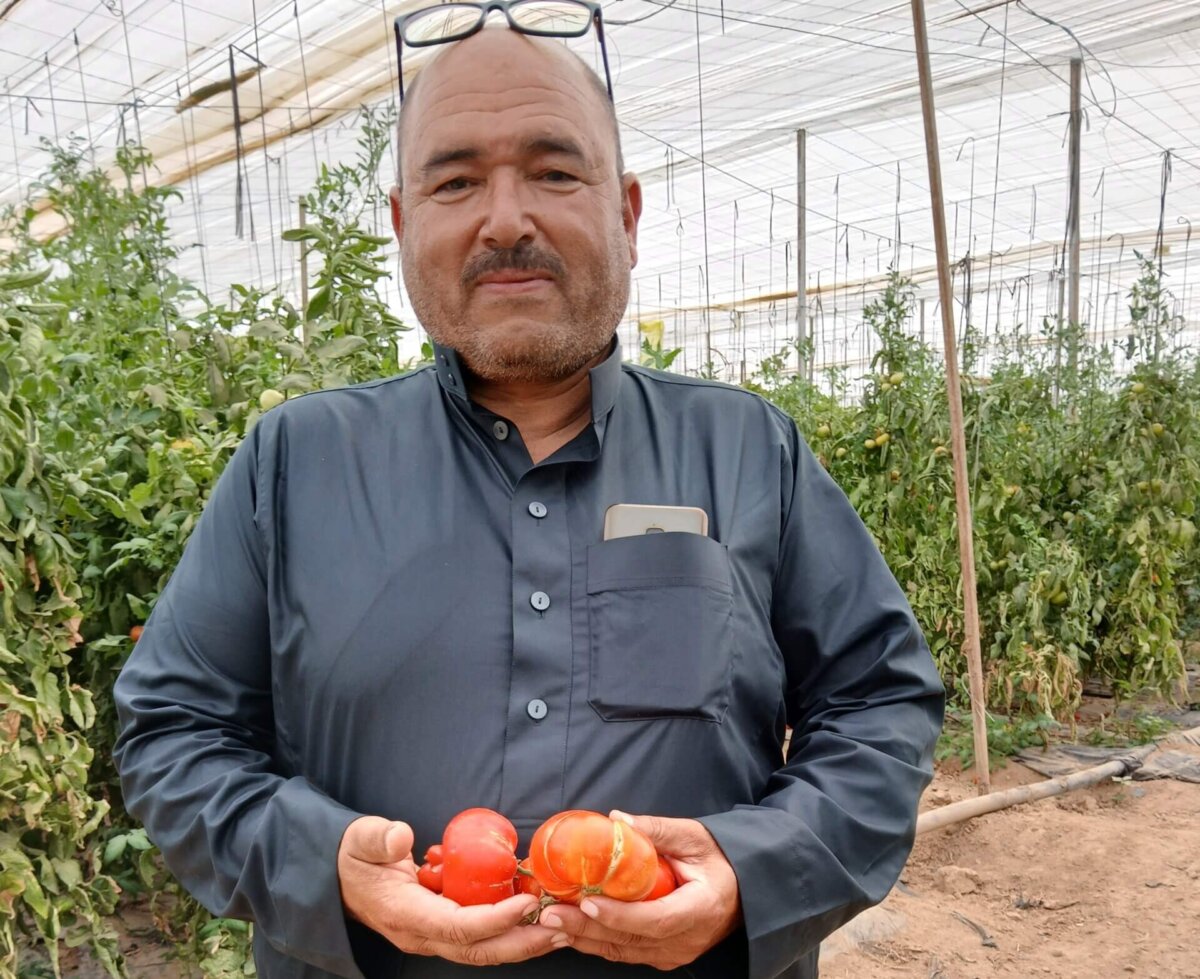
One promising follow-up project is taking shape in the Biskra region, on the edge of the Sahara. Thanks to its abundant sunshine and dry climate, the area offers excellent conditions for solar drying. Local partners are exploring how surplus tomatoes can be transformed into value-added products using a medium-scale solar dryer, reducing waste while creating new economic opportunities for farmers.
Planting seeds for the future
The project also contributes to wider sustainability goals. By preserving harvests that might otherwise be lost, using renewable solar energy and creating local value from agricultural products, solar drying strengthens food security while reducing environmental impact. At the same time, it creates opportunities for women, young entrepreneurs and local businesses to build sustainable livelihoods.
For PUM expert Marc Vorage, the greatest achievement is not the technology itself, but the local ownership that has developed around it. “We planted some seeds,” he says. “Now we only have to provide enough water.”
The training programme may be completed, but the journey continues. Through collaboration, local ownership and the sharing of knowledge, solar drying is truly beginning to take root in Algeria.

Interested in this project? Get in touch with
Khaled Benchaalal
Representative Algeria, Boudouaou El Bahri