

- Projects
- Training trainers for better farming practices in Senegal
Training trainers for better farming practices in Senegal
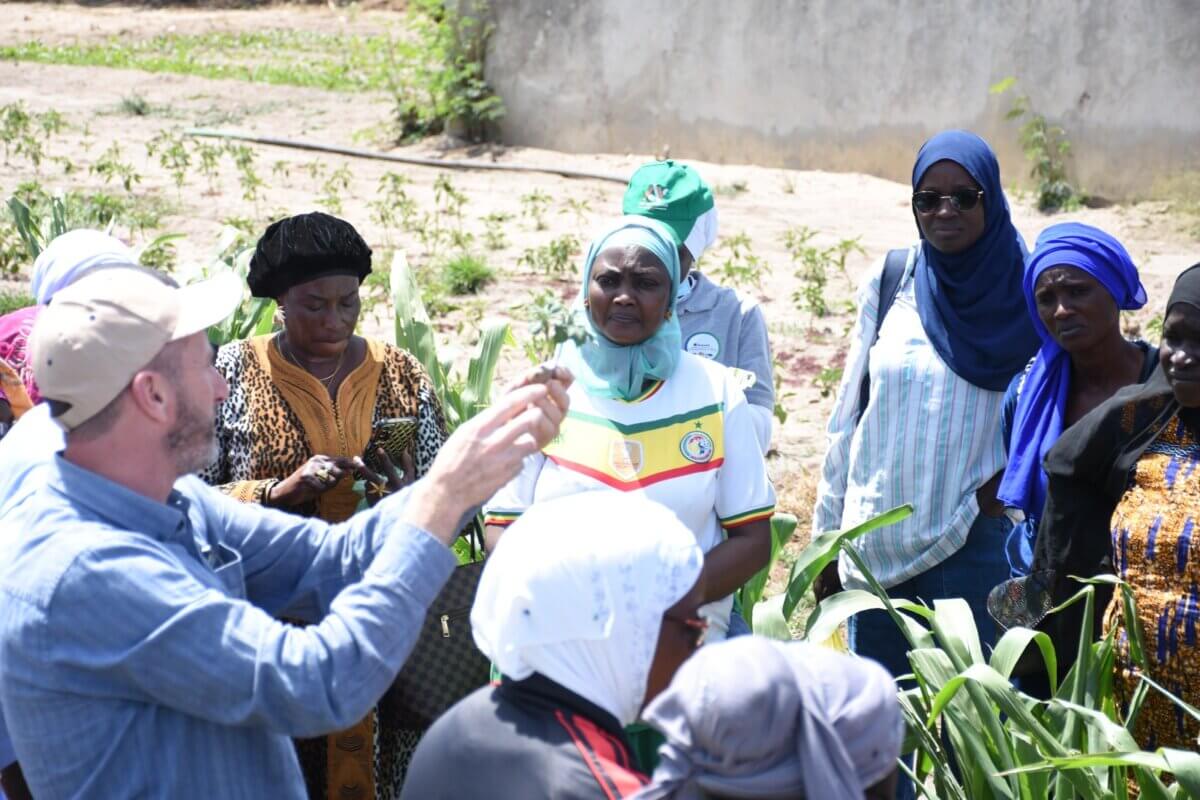
Knowledge has the greatest impact when it continues to spread. In Senegal, PUM expert Rolf van den Berg worked with the Regional Directorate for Rural Development (DRDR) in Dakar to strengthen the knowledge of agricultural advisors, cooperatives, and farmers. By investing in the people who support thousands of growers every day, the project lays the foundation for more productive and sustainable field crop production across the region.
The DRDR is part of Senegal’s Ministry of Agriculture and is responsible for supporting farmers throughout the Dakar region. Through five regional agricultural service offices, agricultural advisors work directly with growers, providing technical advice and practical guidance. The organisation also accredits around 800 cooperatives, many of which are active in agriculture.
As agricultural production continues to grow, so does the demand for practical knowledge. Farmers and cooperatives increasingly seek guidance on improving yields, using natural resources more efficiently and making their businesses more profitable. The DRDR therefore launched a three-year capacity-building initiative, with PUM supporting the first phase.
Sharing practical expertise
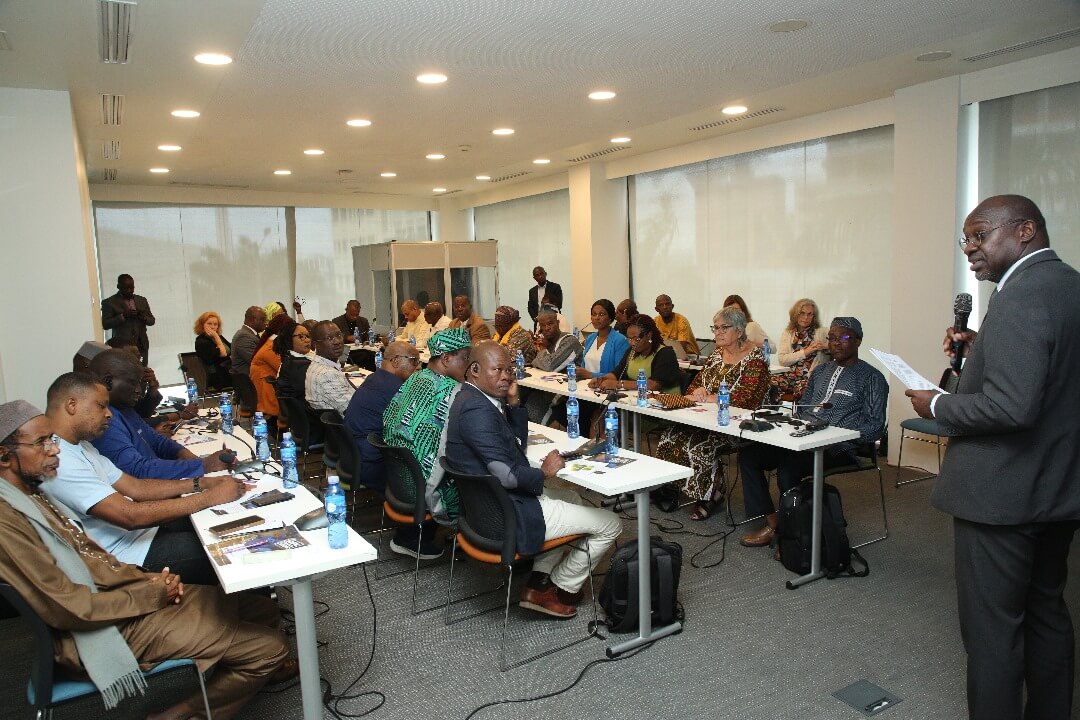
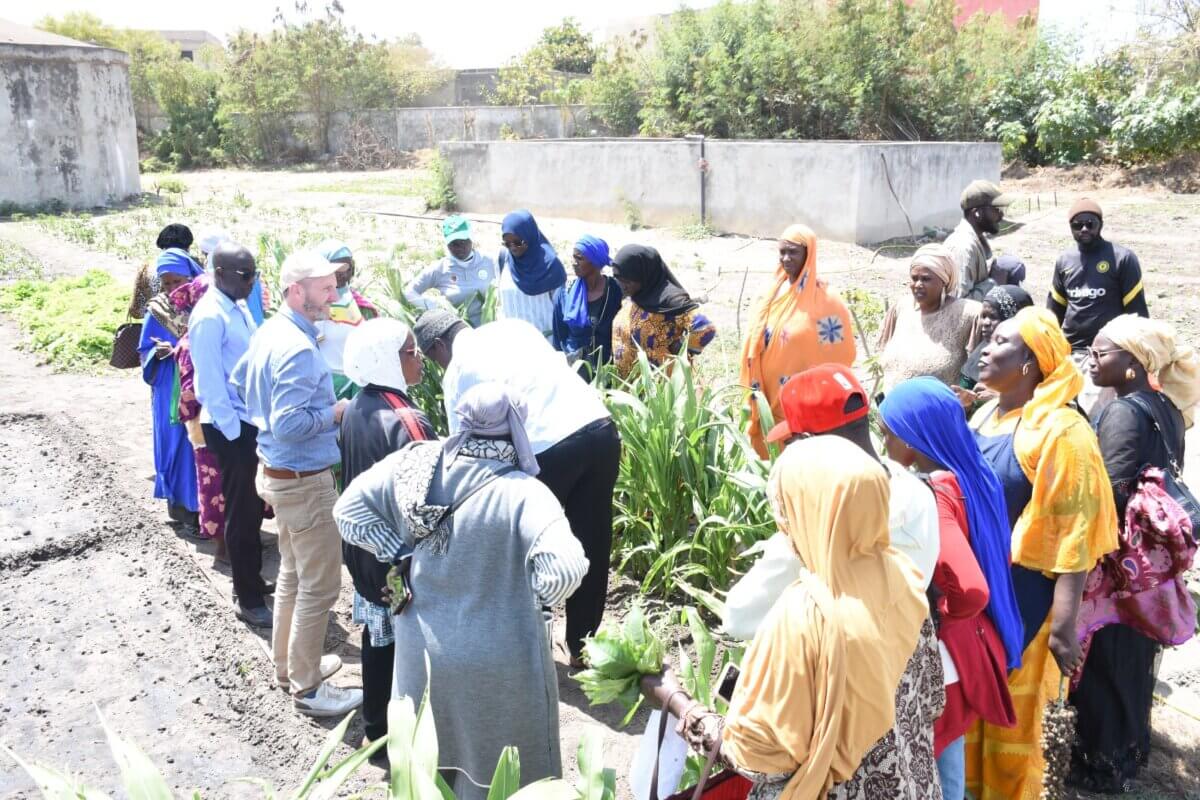
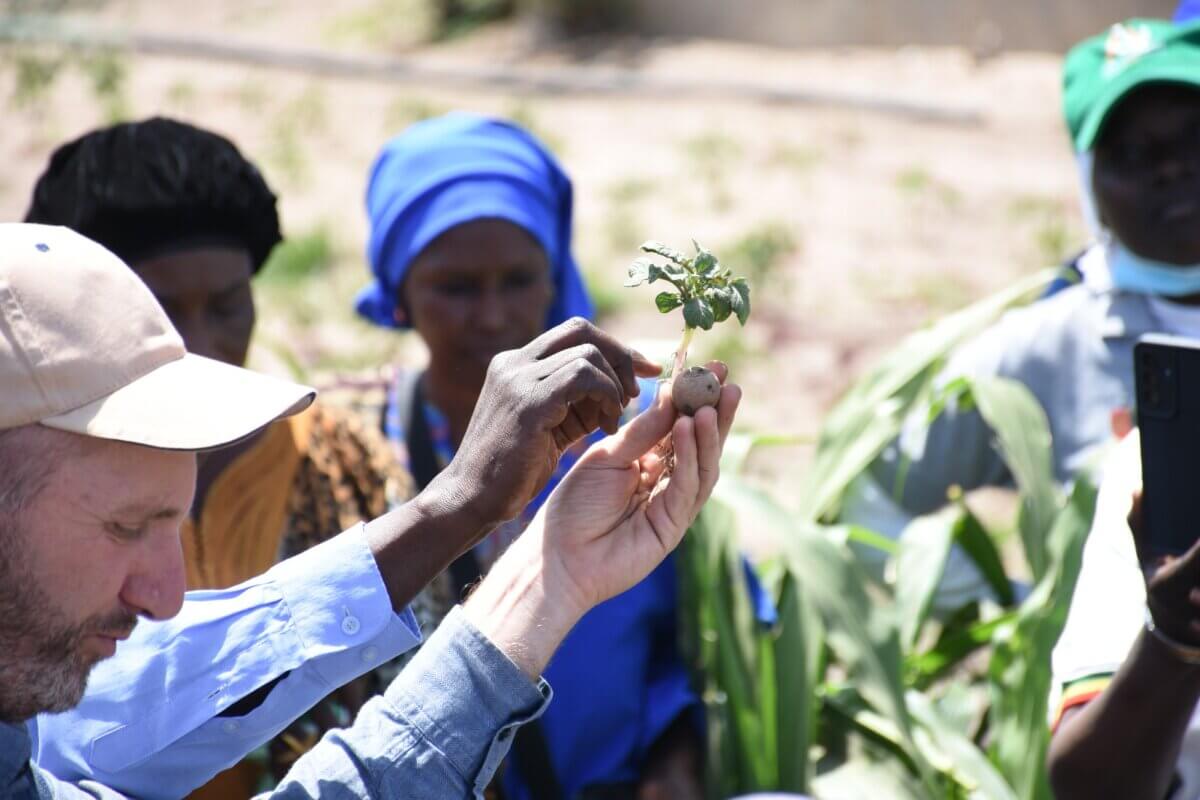
The first project focused on good agricultural practices for onion and potato cultivation in the Niayes region. Before travelling to Senegal, expert Rolf van den Berg prepared four training programmes tailored to different audiences: separate sessions for agricultural advisors and for producers, covering both onions and potatoes. During the project, these classroom sessions were combined with field visits to farms, where participants discussed cultivation methods, crop development and practical improvements directly in the fields.
The project was built on collaboration and continuous learning. Feedback from farmers, discussions with DRDR staff and observations during field visits were incorporated into the presentations throughout the project. Rolf reflects: “A DRDR agricultural adviser translated the sessions into Wolof and complemented my explanations with local examples and practical experience. That collaboration was invaluable and certainly enhanced the quality of the sessions.”
Creating a multiplier effect
The project was originally designed to train around 20 agricultural advisers from the DRDR. During the project, however, the organisation decided to broaden its reach by also organising simplified training sessions for around 25 local farmers and 25 representatives of agricultural cooperatives, most of them women. Together, these cooperative representatives represent approximately 4,600 members.
Rolf welcomed this decision: “It was an excellent initiative by the DRDR. It enables the knowledge shared during this project to be disseminated and applied in many more places. Farmers can immediately benefit from the improved advice provided by the DRDR, while the cooperative representatives can pass on what they have learned to their members.”
By training both advisers and producers, the project strengthened the link between technical expertise and day-to-day farming practice. The knowledge gained can now be shared widely through the DRDR’s advisory network and the participating cooperatives, creating lasting impact that extends far beyond the initial training sessions.
Stronger businesses through stronger ecosystems
For PUM, the project demonstrates the value of working beyond individual entrepreneurs. Stronger cooperatives, increased knowledge sharing and greater participation of women in agricultural organisations contribute to more resilient rural communities.
The collaboration between PUM and the DRDR has only just begun. As part of the three-year capacity-building initiative, future projects may focus on topics such as soil fertility, agricultural processing, marketing and effective communication. This approach enables the DRDR to share more practical knowledge with farmers across Senegal.
Video
Watch the video about the training produced by “Actu sur… votre quotidien” (in French) Sangalkam: Formation des producteurs sur les bonnes pratiques de culture d’oignon et pomme de terre

Interested in this project? Get in touch with
Ndèye Mbaye
Representative Senegal, Dakar
Similar projects