

- Projects
- From diesel to sunlight
How solar power is transforming agriculture in Côte d’Ivoire
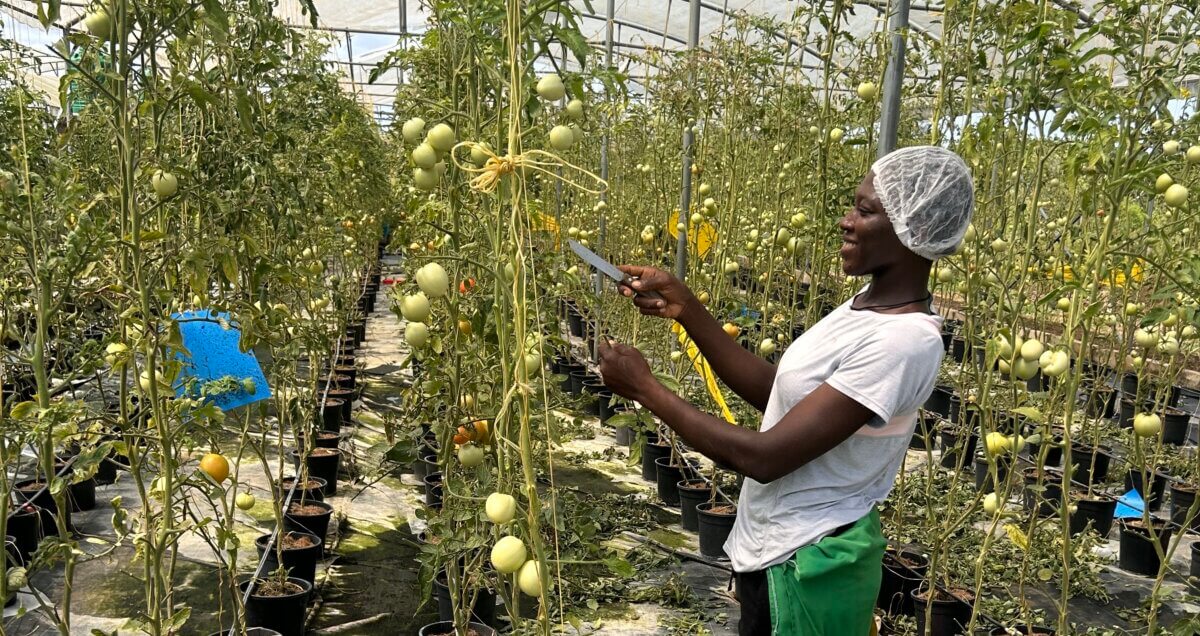
What if the key to stronger local food systems wasn’t hidden in a new crop, but in the power source behind it? In Côte d’Ivoire, large volumes of fruits and vegetables are still imported, despite the country’s rich agricultural potential. Producing these crops locally requires more than fertile soil, it calls for smart irrigation, reliable energy, efficient logistics, and sustainable farming practices.
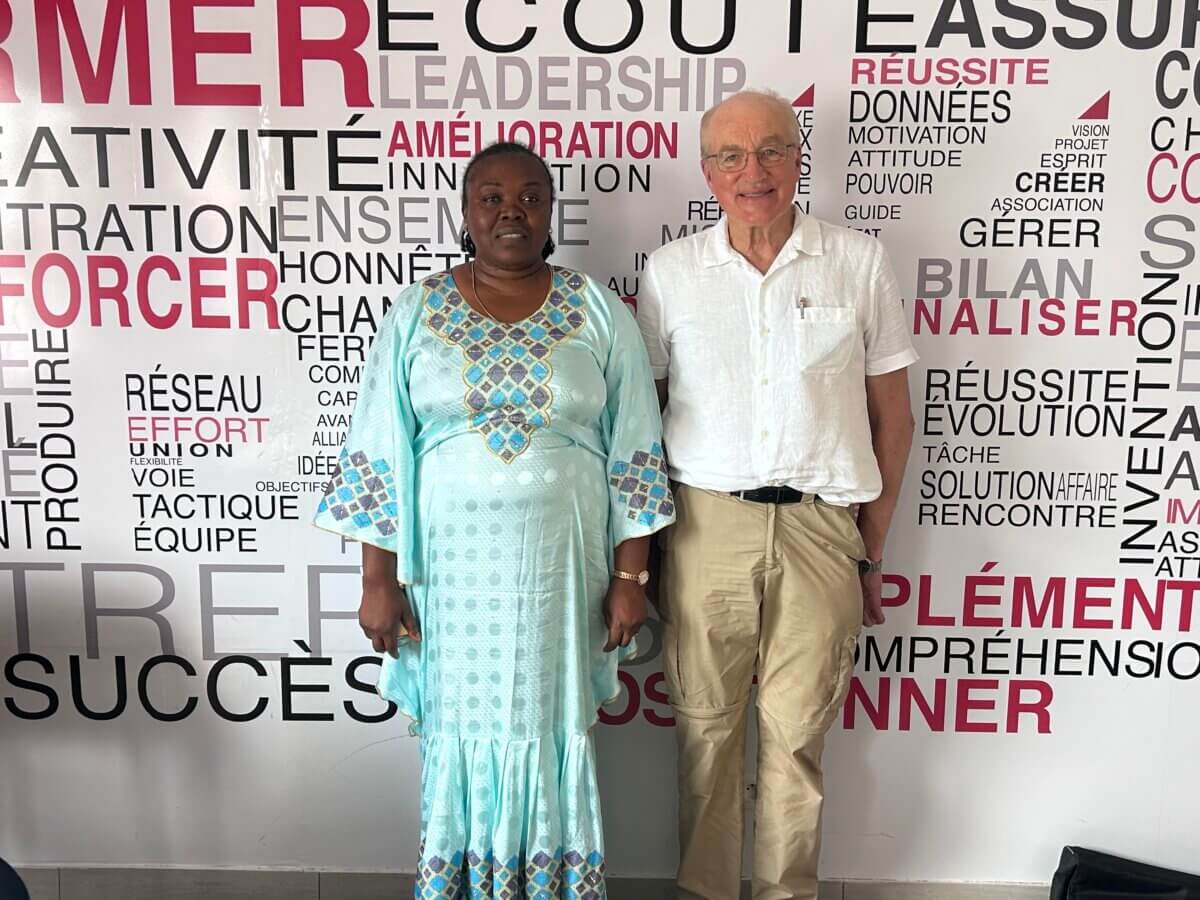
That is exactly the challenge that Canaan Land Enterprise is tackling. By collaborating with PUM expert Kees Kwant, the company is taking a major step towards energy independence, circular agriculture, and a greener future for local food production.
A farm with a
bigger
vision
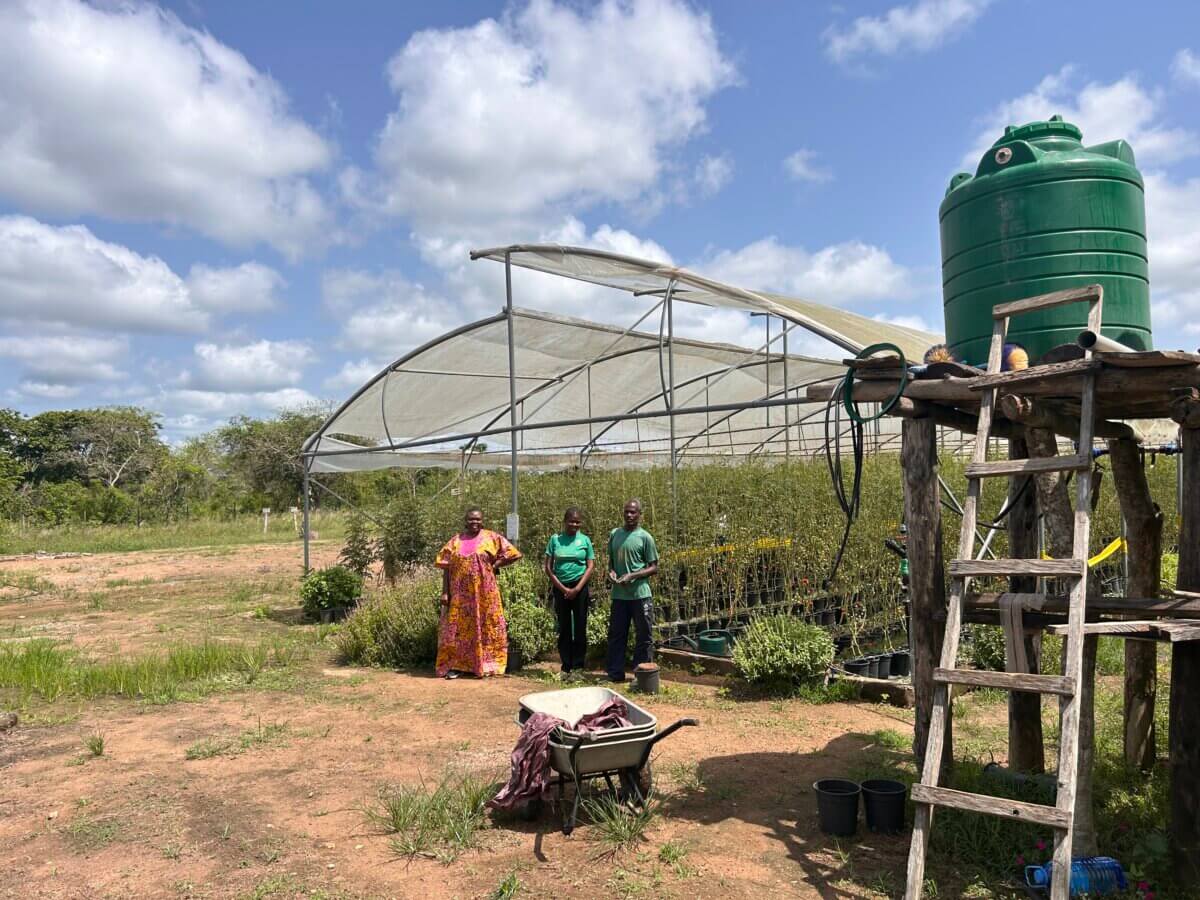
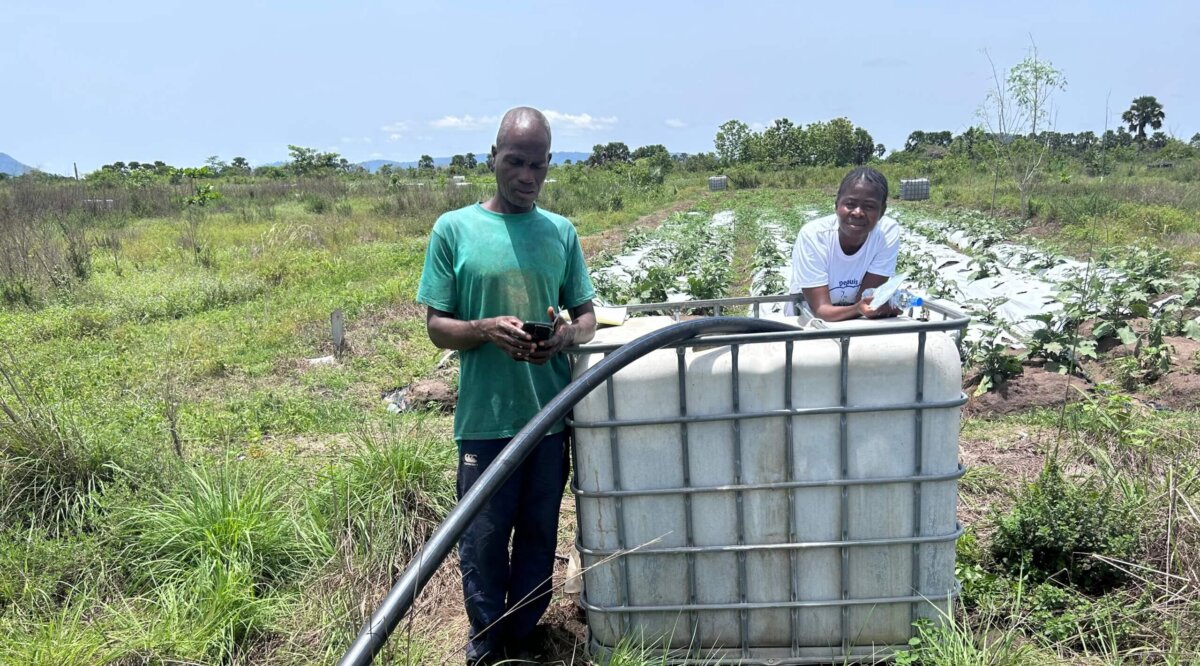
Canaan Land Enterprise is an ambitious agricultural company producing fresh, high-quality and fully traceable fruits and vegetables. From tomatoes and melons to lettuce and colourful peppers, the company manages production, packaging and distribution while working closely with a network of local growers, many of them women.
Patricia Zoundi Epse Yao is the leading director of Canaan Land and chair of Côte d’Ivoire’s national SME association. Her vision extends beyond her own farm: she is a strong advocate for sustainable and circular agriculture across the country. Having already received PUM support for greenhouse construction and tomato seed selection in the past, the next challenge was clear: securing a sustainable energy supply for irrigation, lighting and future growth.
Replacing diesel with solar power
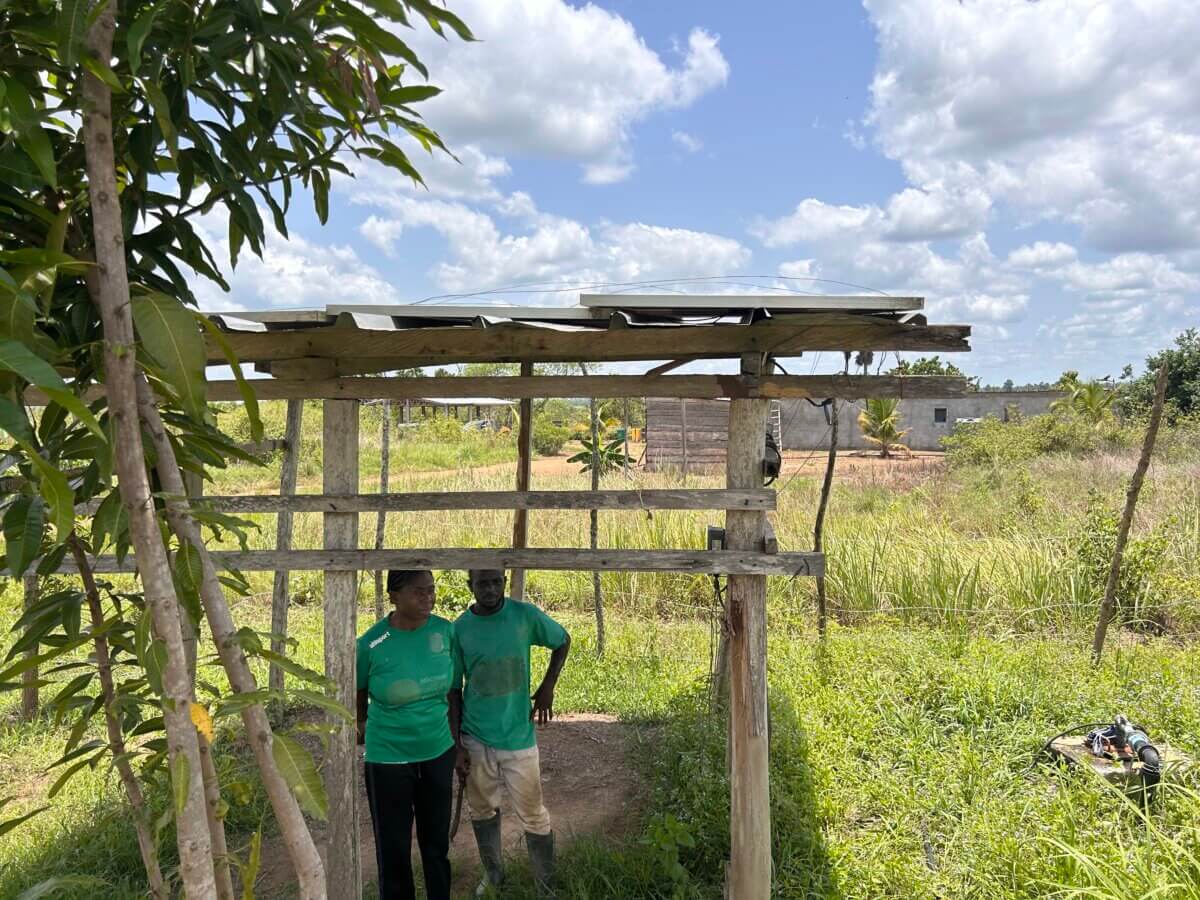
The farm currently relies on a diesel-powered pump for irrigation. While functional, it is expensive to operate and limits the farm’s ability to scale. The new project focuses on designing and implementing a solar-powered irrigation system alongside a photovoltaic installation that will generate electricity for irrigation, the sorting centre and employee housing.
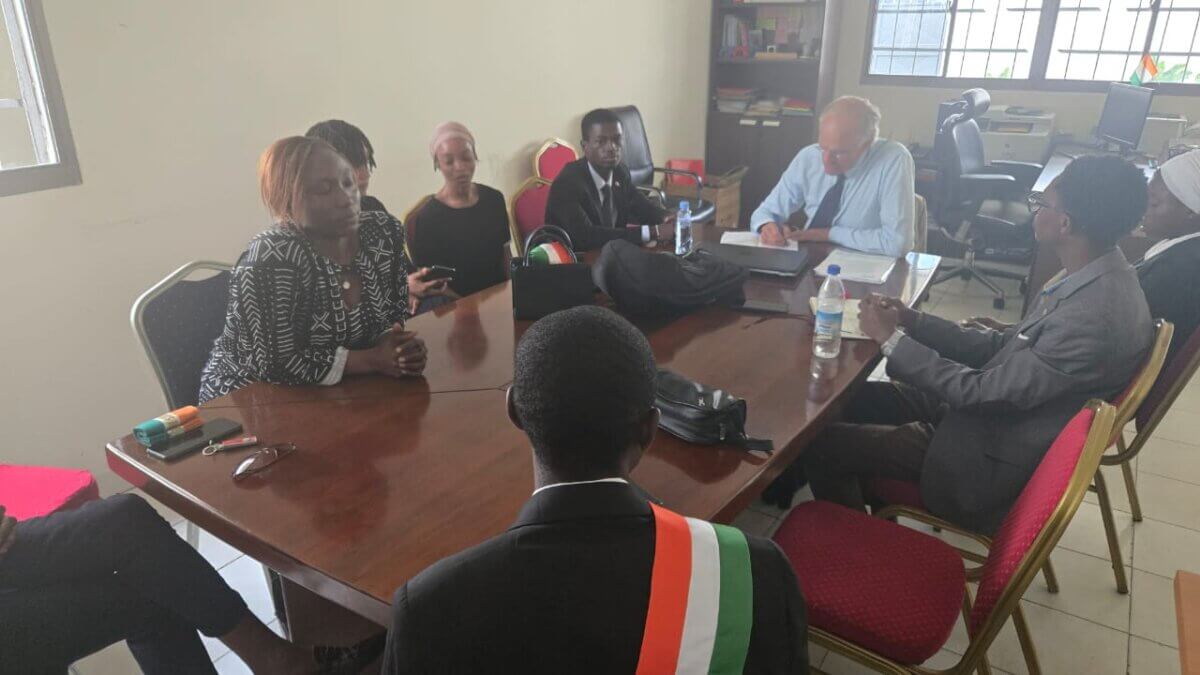
Working together remotely and on-site, PUM expert Kees Kwant supported Canaan Land in defining technical requirements, identifying suppliers, assessing equipment quality and calculating the business case for the investment. “We are not just installing solar panels,” explains Kees. “We are creating an integrated energy solution that helps the farm grow sustainably while reducing costs, emissions and dependency on fossil fuels.”
Building a circular agricultural model
The solar project is part of a much broader sustainability strategy. Alongside renewable energy, Canaan Land is exploring circular agricultural practices, including the future use of biogas and digestate as natural fertilisers. The aim is to create a farming system where resources are used efficiently, and waste becomes a valuable input.
A small project with big reach
Once implemented, the project is expected to double employment on the farm from 15 to 30 jobs. The sorting centre, supplied by around 125 small-holder farmers, will be able to process larger volumes, creating additional income opportunities throughout the local agricultural network. Production volumes are expected to double, while the switch from diesel to solar-powered irrigation will eliminate greenhouse gas emissions equivalent to approximately 8 litres of diesel per day.
The project is currently awaiting funding approval. If implemented, it could serve as a model for other farms, showing how solar energy, smart irrigation, and circular agriculture can boost productivity, strengthen livelihoods, and reduce emissions. By combining technical expertise with local entrepreneurship, this project demonstrates how renewable energy can help build more resilient and future-ready farms.
And sometimes, the path towards sustainable agriculture starts with something as simple yet powerful as sunlight.
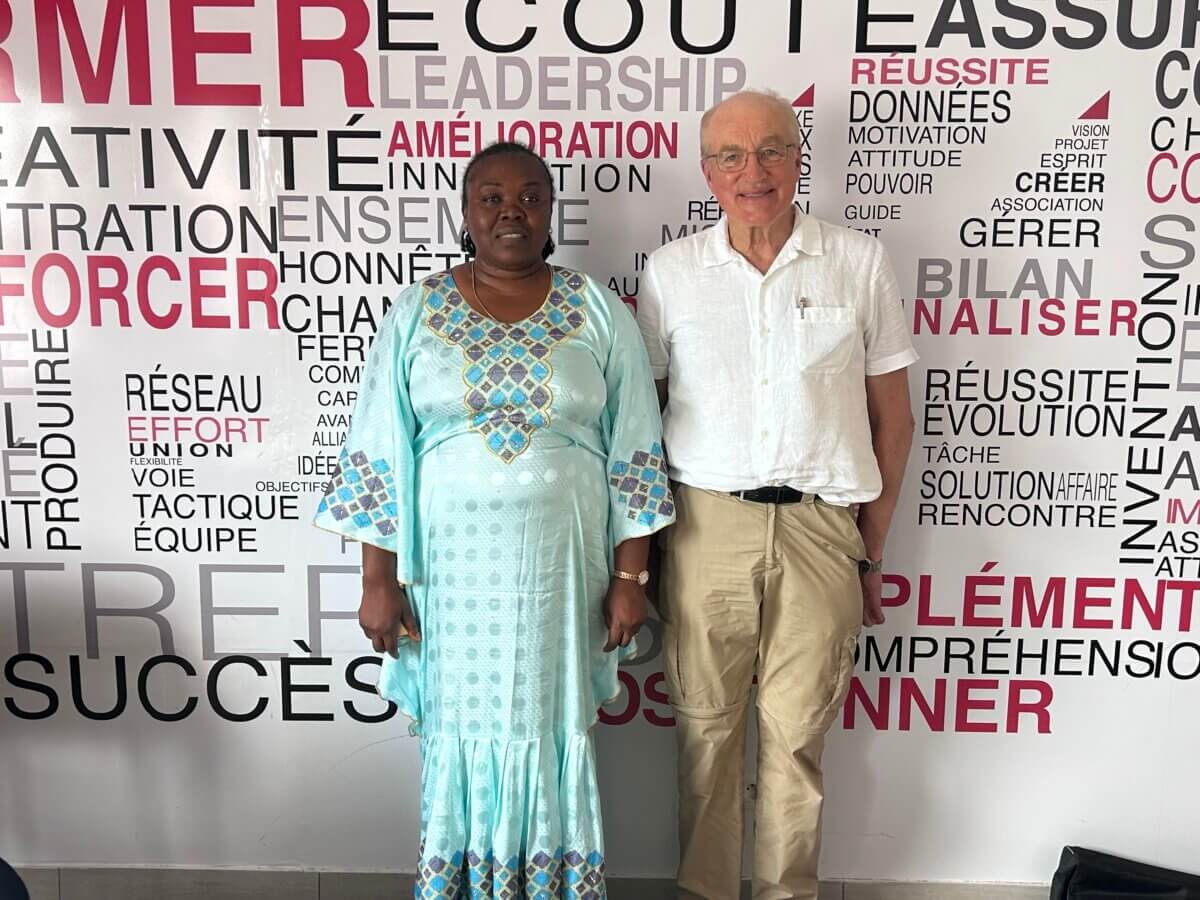
Interested in this project? Get in touch with

Hervé Touan
Country Manager Ivory Coast
Similar projects