

- Projects
- Giving electronics a second life in Egypt
Giving electronics a second life in Egypt
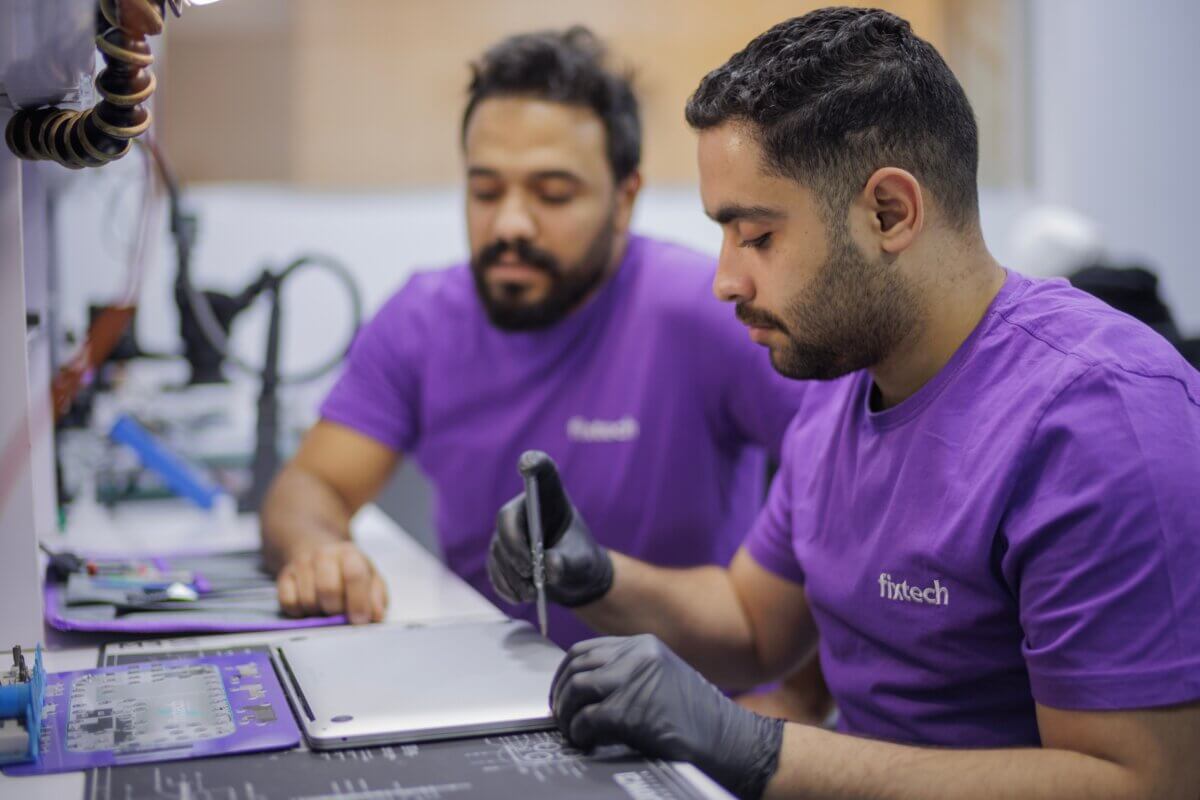
In Egypt, Mezatech is working towards a more sustainable solution for electronic devices that can no longer be repaired or reused. The company wants to establish a facility to recover valuable materials from discarded electronics. Through a remote project, PUM expert Peter Vingerhoeds worked with Mezatech to assess the feasibility of the plans and develop a practical roadmap for turning this ambition into reality.
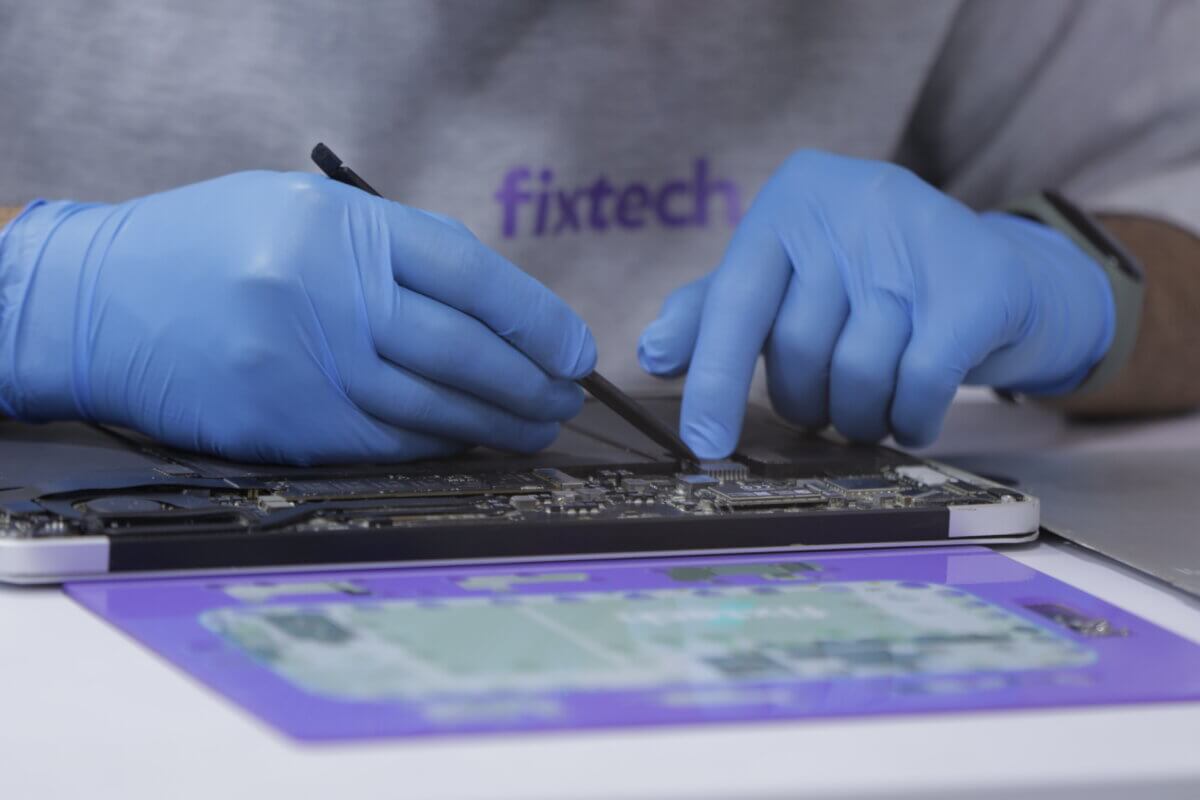
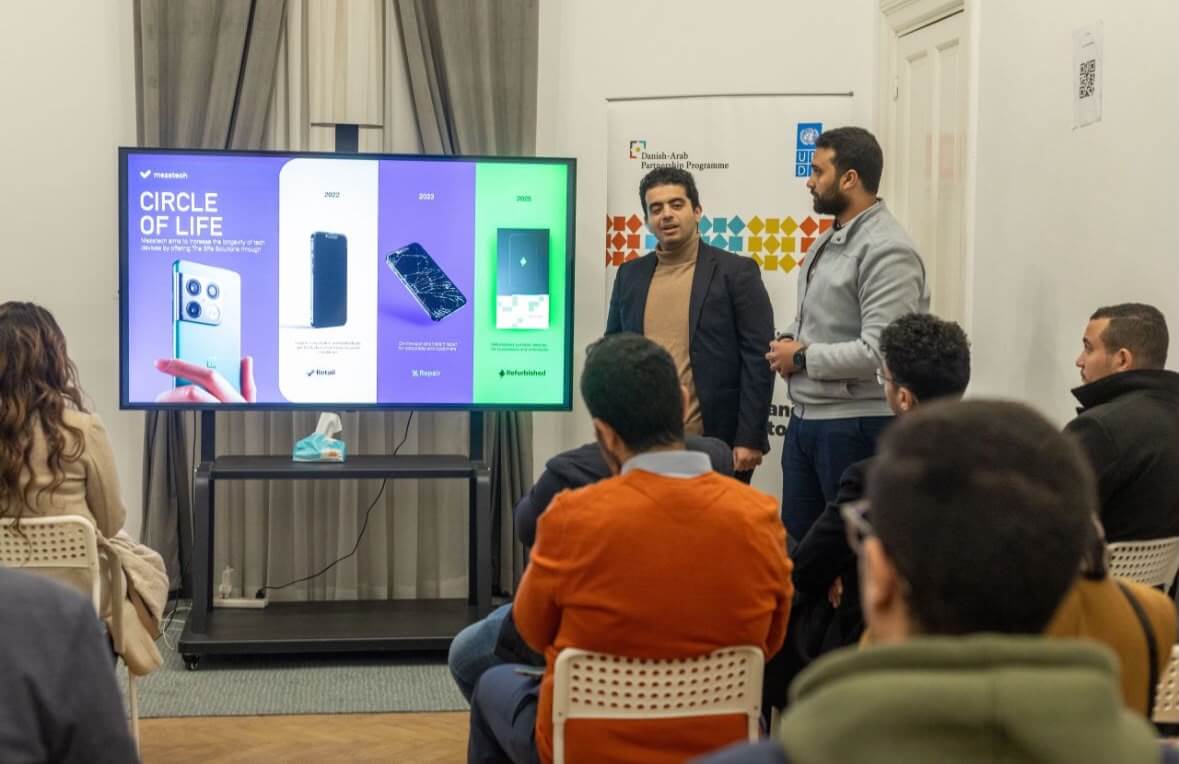
Mezatech is an Egyptian company with a clear ambition: technology should live longer. Through its businesses Fixtech, which repairs electronic devices, and Black Mint, which sells refurbished electronics, the company already gives thousands of devices a second life.
But what happens when a device can no longer be repaired or reused? Mezatech wants to complete the cycle by establishing a recycling facility where discarded electronics, also known as e-waste, can be processed and valuable materials recovered. This is particularly relevant in Egypt, where growing amounts of electronic waste create both environmental challenges and opportunities for recycling. Mezatech’s vision is to build a working circular economy model for electronics in Egypt and then expand it across Africa. Repair and refurbishment are already in place; the recycling facility is the last piece of the puzzle and the first cornerstone of that circular model. Turning this vision into reality required expertise the company did not yet have in-house, which is where PUM came in.
From ambition to a practical plan
To turn its plans into reality, Mezatech approached PUM representative Mariam Alsafy for expertise in electronics recycling. The company wanted to understand whether the proposed facility would be feasible and how it could be developed in line with international standards while taking local circumstances into account.
PUM expert Peter Vingerhoeds brought his extensive experience in the sector to the project. Working remotely with the Mezatech team, he shared practical knowledge and explored how proven recycling methods could be applied in Egypt. Together, they developed a feasibility study and a strategic roadmap for establishing the facility. This provided Mezatech with a clearer understanding of the requirements and practical steps needed to move forward.
Turning plans into action
The collaboration has already led to concrete progress. Mezatech is now working on establishing its recycling facilities, using the roadmap developed with Peter.
Once operational, the facility will complement the company’s existing repair and refurbishment activities. Devices will first be repaired or refurbished wherever possible. When neither is an option, materials can be recovered through recycling rather than being discarded.
The longer-term ambition goes beyond Mezatech itself. The company hopes to contribute to a more structured electronics recycling sector in Egypt, with safer working conditions, skilled employment and less electronic waste ending up in landfills. Its approach could eventually serve as an example for other countries in the region.
Creating opportunities for women
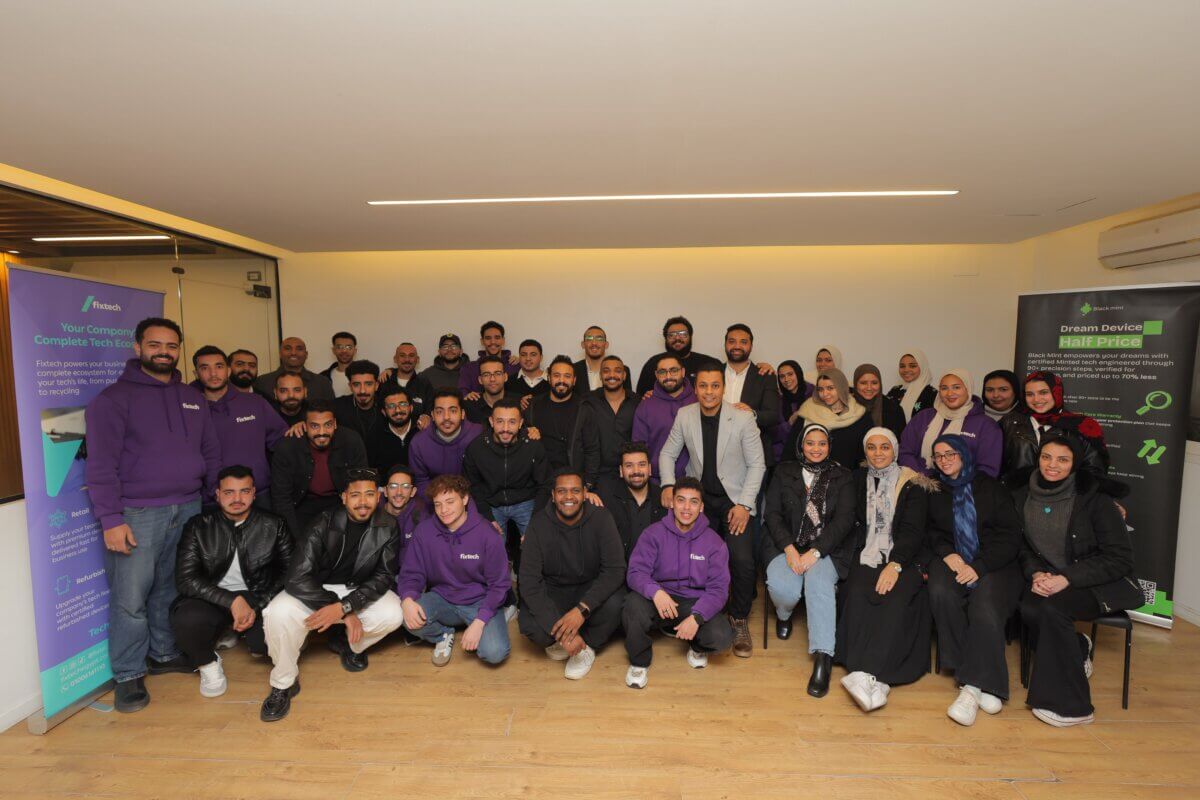
Mezatech also wants to make the electronics sector more inclusive. Through Fixtech, the company has already introduced female technicians into Egypt’s predominantly male repair industry. These women now lead and train teams.
The planned recycling facility offers an opportunity to build on this experience by creating more skilled, formal jobs in a sector where informal and potentially unsafe working conditions remain a challenge.
Next steps: building skills for the circular economy
The collaboration with PUM does not end with the facility. Mezatech and PUM now want to develop vocational training in tech refurbishment, maintenance and recycling. Mezatech is the first provider of this kind of training in Egypt, and the aim is to open it up to more people: giving individuals a marketable skill, raising their income and creating career paths in the growing field of technology recovery and recycling. In this way, the circular model benefits not only the environment, but also the people who make it work.
Interested in this project? Get in touch with
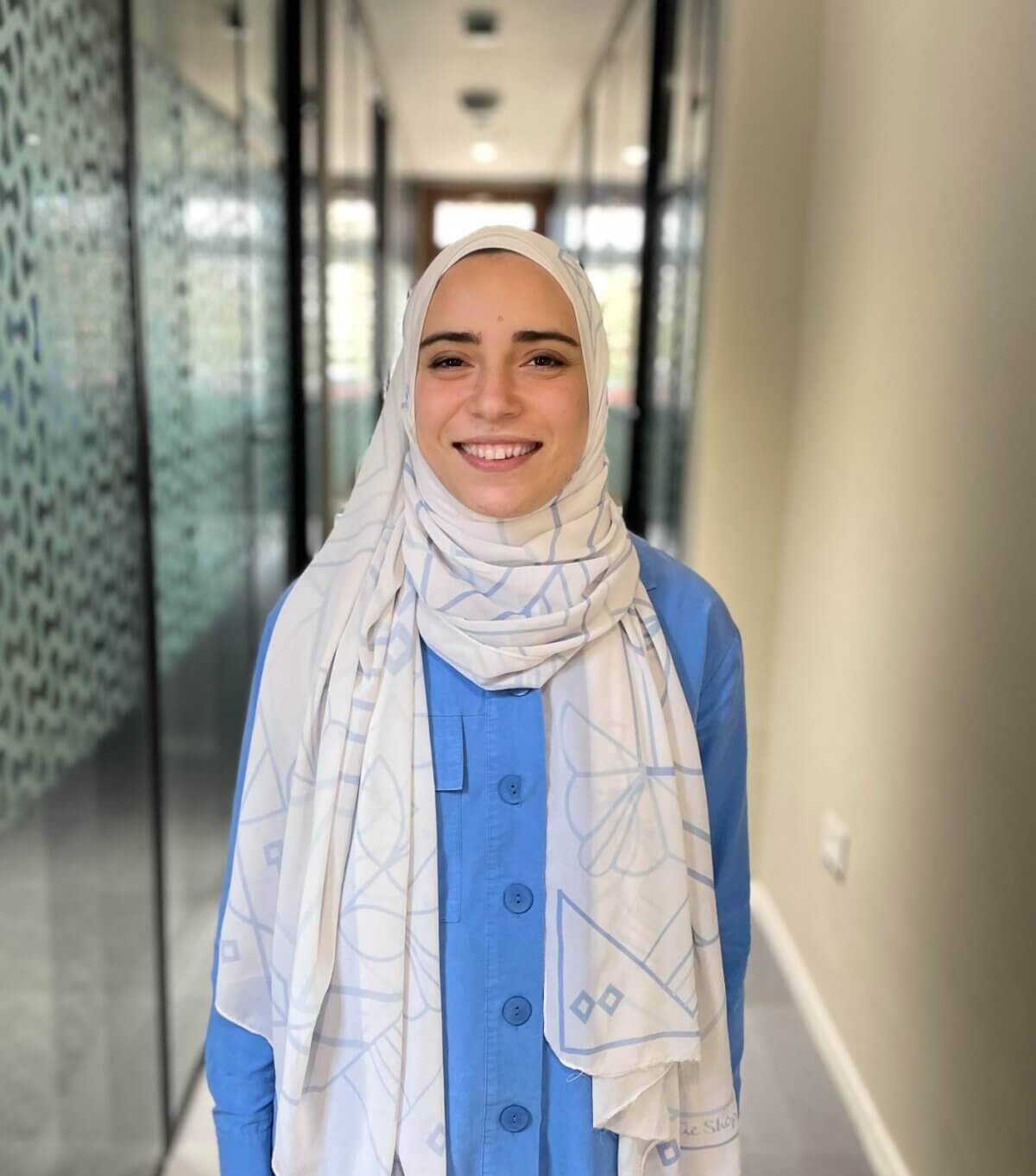
Mariam Alsafy
Representative Egypt, Cairo
Similar projects