

- Projects
- Scaling up sustainable greenhouse production in Egypt
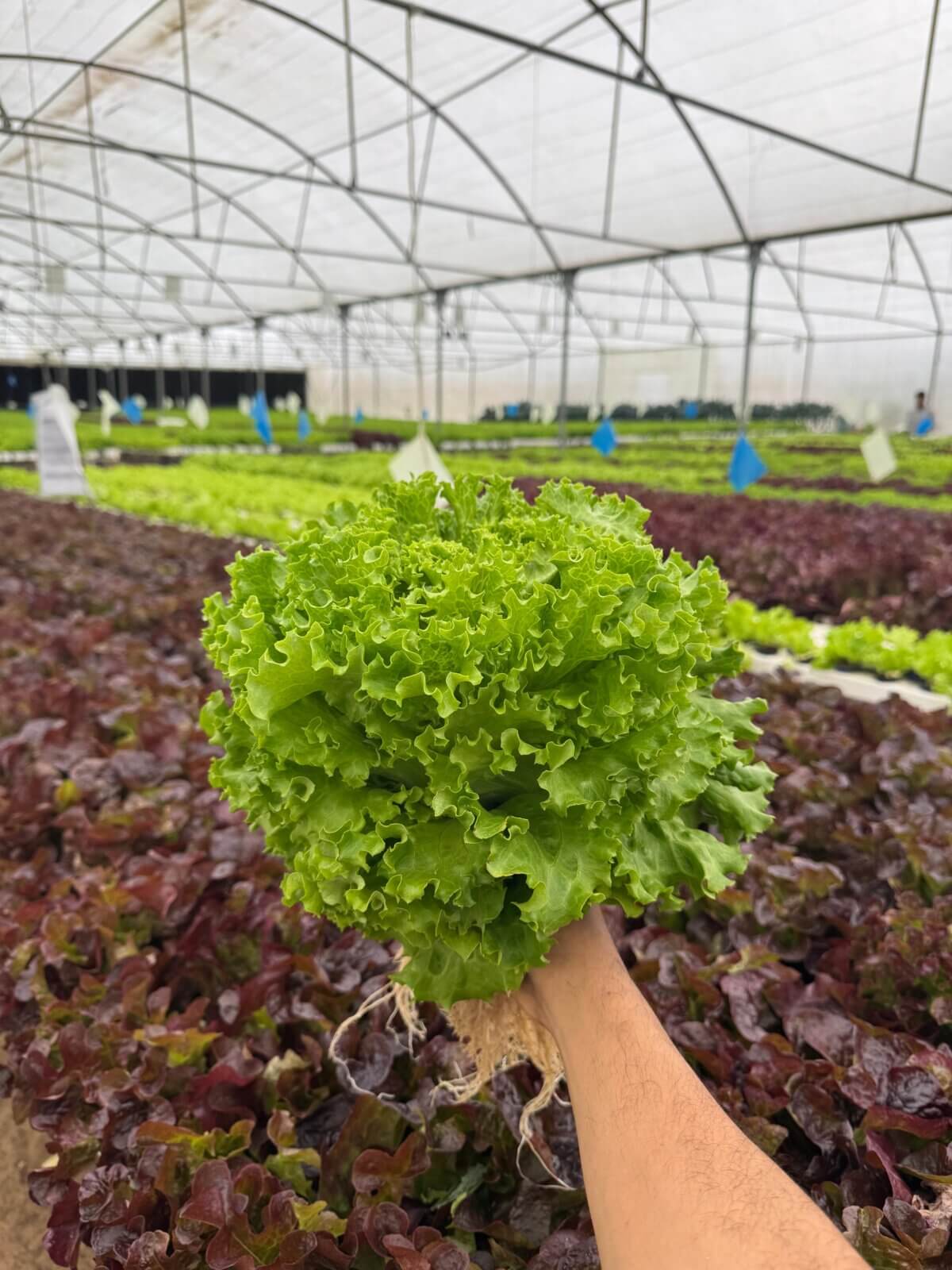
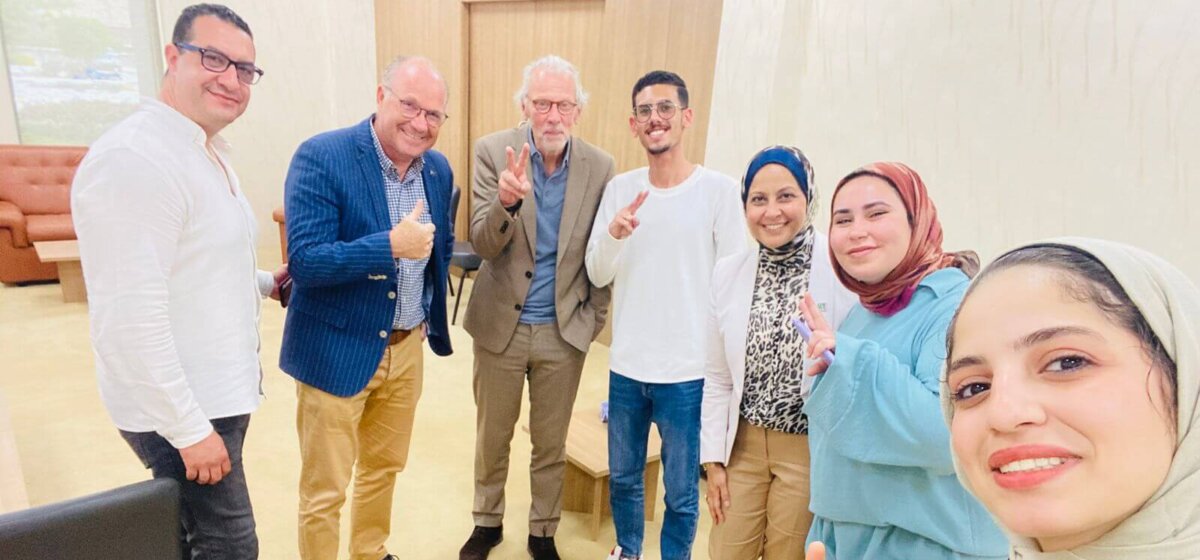
Egyptian horticulture business Top Crops grows pesticide-free leafy greens using hydroponics . The company has ambitious plans for growth: from its current 1,000 m² facility to a new greenhouse twelve times the size. Together with PUM experts Erik van Os and Jan van Heijningen, Top Crops explored how to make this next step efficient, sustainable and well suited to Egypt’s climate.
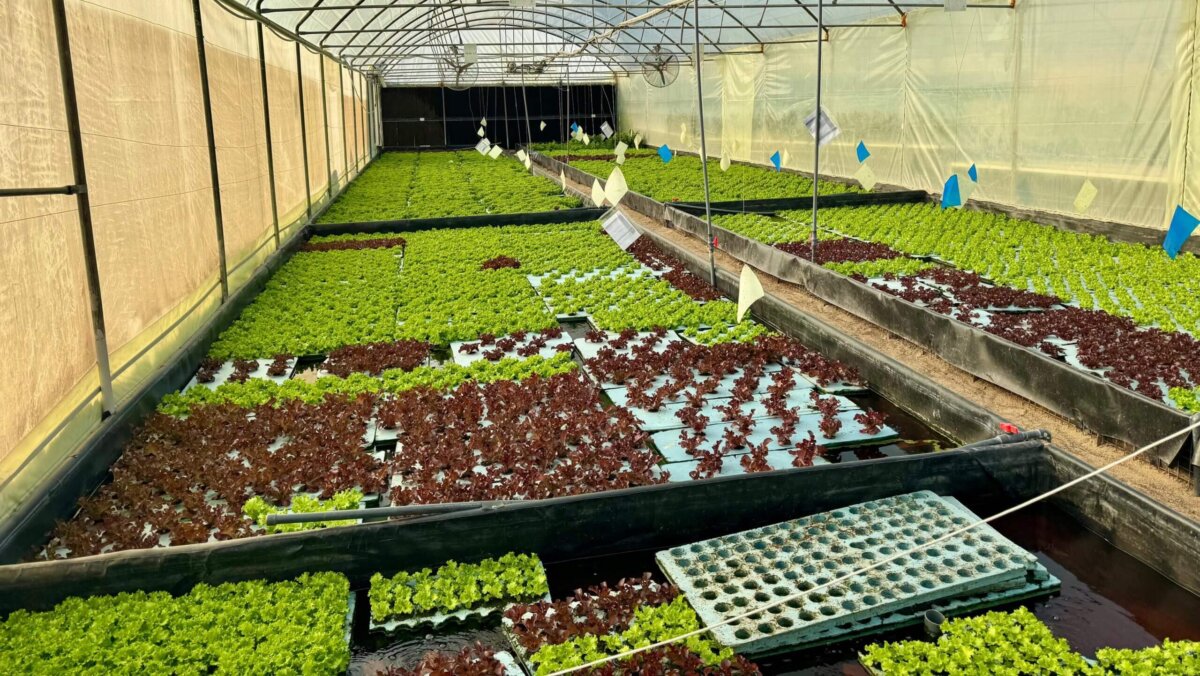
Top Crops, the brand name of Egyptian company Penetrade, started experimenting with hydroponics, a method of growing plants without soil, using water and nutrients instead. After a first small-scale pilot greenhouse, the company expanded to a 1,000 m² facility near Cairo. When Top Crops approached PUM representative Hamis Elgabry, it was producing around 28,000 leafy greens, mainly lettuce, for major retail chains.
The company was ready for a much bigger next step, with plans for a 12,000 m² greenhouse. Top Crops’ ambition was to increase production while continuing to use water and nutrients efficiently and avoiding synthetic pesticides (only Neem oil was used). Its longer-term ambitions also included supplying hotels and restaurants, exploring export opportunities and developing products such as packaged lettuce and pesto.
Preparing to scale up
Growing twelvefold brings new opportunities, but also new questions. What type of greenhouse works best in Egypt’s climate? How can water be reused efficiently? Which varieties perform well during hot summers? And how can Top Crops maintain consistent quality on a much larger scale?
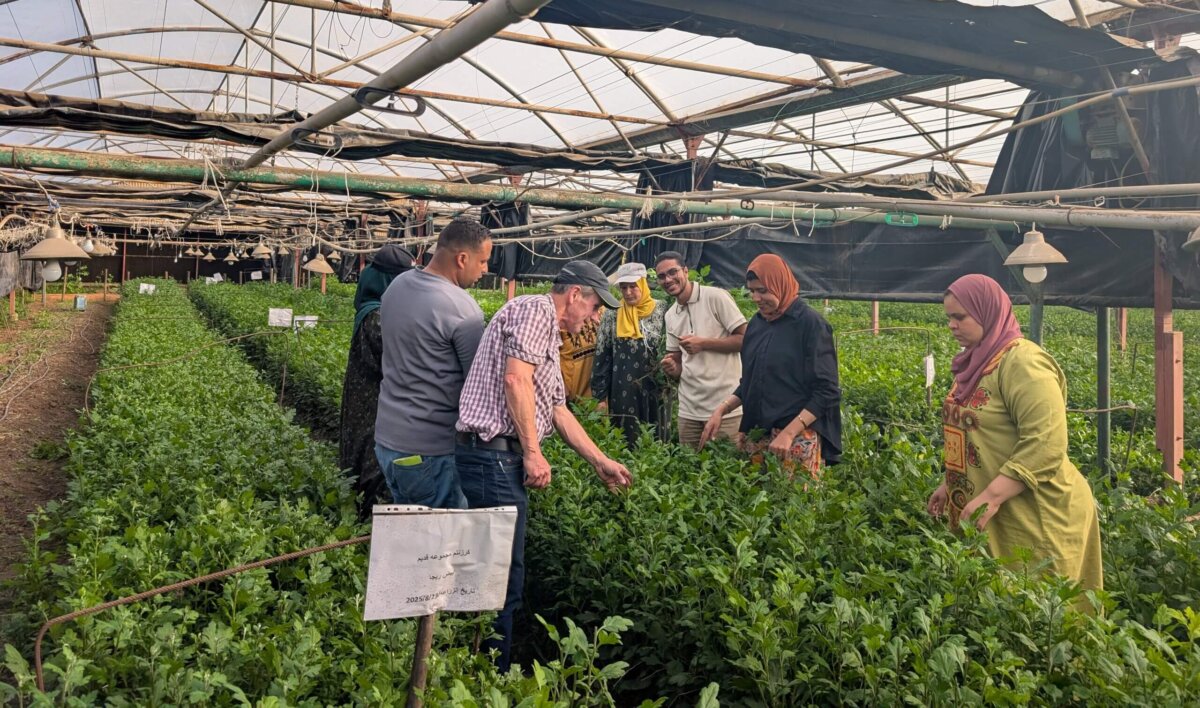
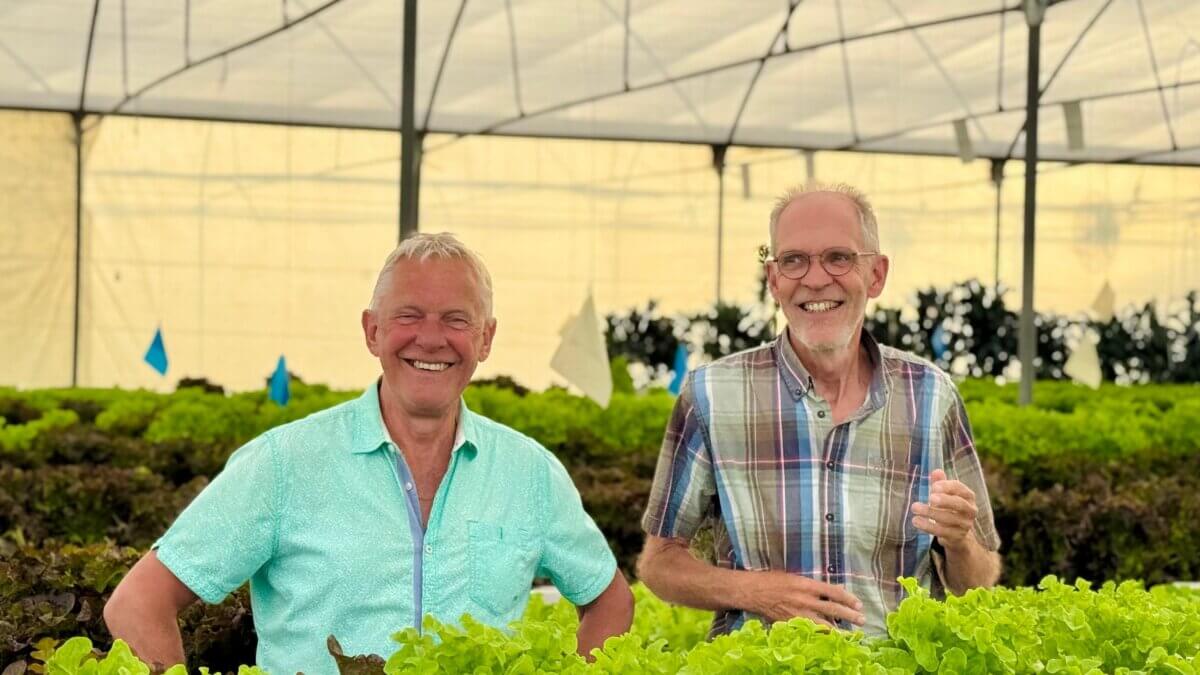
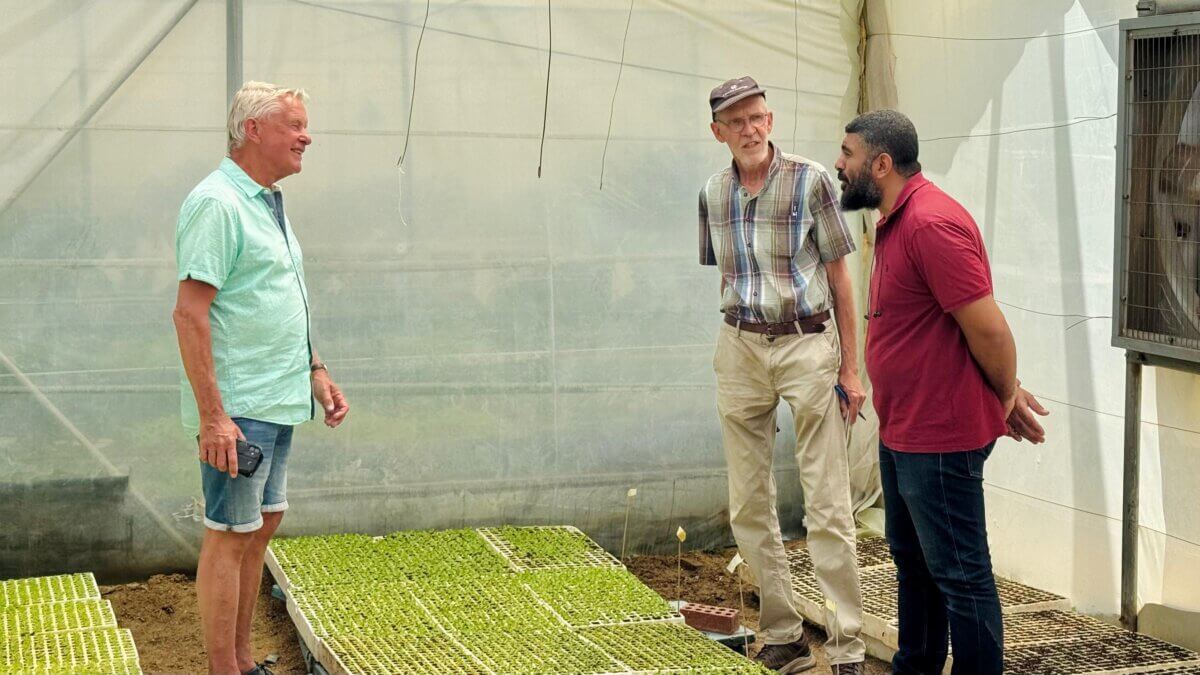
Together with the Top Crops team, PUM experts Erik van Os and Jan van Heijningen looked closely at the existing greenhouse and the plans for expansion. Their focus was practical: understanding what was already working well, where improvements could be made and which lessons from the current facility should be incorporated into the new greenhouse.
Looking at the complete growing process
Erik and Jan looked at the entire process, from young plants in the nursery to the moment the vegetables are ready for harvest. They discussed greenhouse temperatures, water quality, plant nutrition, crop spacing and ways to prevent pests and diseases without pesticides. An optimal climate is the first point to minimize the risk on pest and diseases.
Water was an important part of the discussions, the quantity was alright during the year but the quality varied. In hydroponic growing, both the quality of the water and the salts and nutrients it contains directly affect the plants. The team therefore explored how Top Crops could better monitor, treat and reuse its water. Nutrient schemes were optimised.
The experts also visited Cultivech, the hydroponic systems supplier working with Top Crops. This allowed them to connect their advice with equipment and solutions available in Egypt.
A strong foundation for further growth
The collaboration gave Top Crops practical recommendations for improving its existing production and making well-informed choices for the new greenhouse. These included creating better growing conditions during Egypt’s hot summers, improving water and nutrient management and selecting varieties suited to the local climate.
The experts also recommended keeping the first phase of the new operation focused on lettuce. By first optimising its main crop on a larger scale, Top Crops can build a strong foundation before further developing basil, pesto and other products.

Interested in this project? Get in touch with
Hamis Elgabry
Representative Egypt, Giza
Similar projects